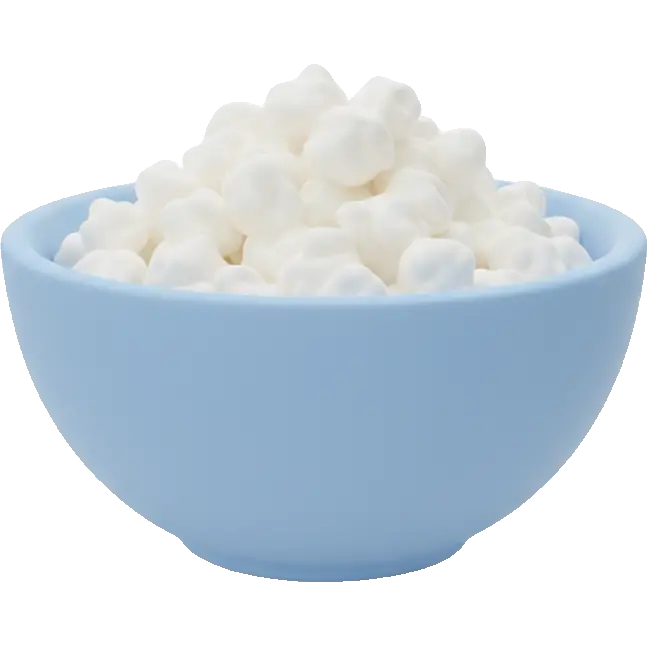
cottage cheese
Dairy & Alternatives
Is cottage cheese high in nightshades?
Is cottage cheese high or low in nightshades? See its exact rating, how much counts as a portion, and its FODMAP, salicylate, oxalate and diet compatibility in one place.
Related checkers
Compare cottage cheese across criteria
Sensitivity notes
Why nightshades food checker matters
Nightshades are a plant family including tomatoes, peppers, eggplants, and potatoes. Some people find that avoiding nightshades helps with joint pain, digestive issues, or inflammatory conditions, though research is limited.
- Complete elimination for 30 days gives the clearest picture
- Watch for hidden nightshades in spice blends and sauces
- Paprika and cayenne are nightshades often overlooked
- Sweet potatoes are NOT nightshades - they're safe
- Goji berries are nightshades
Sensitivities
What cottage cheese contains
FODMAPs
Histamine & Amines
Plant compounds
Irritants
Additives
Allergens
Diet fit
Where cottage cheese fits
Therapeutic diets
Lifestyle diets
Religious diets
What to know about cottage cheese
Cottage cheese has become the go-to high-protein snack, but it is one of the fresher dairy foods on lactose, graded high, and it still carries the milk proteins casein and whey. That is why a food marketed as healthy and gut-friendly can leave lactose-intolerant people bloated, gassy or cramping within an hour. The upside: unlike aged parmesan or cheddar it is barely fermented, so it stays low in histamine, which makes the reaction almost always about lactose and dairy protein rather than amines.
Watch for
- High in lactose, so the protein hit comes with the bloating, gas and loose stools of lactose intolerance if you do not tolerate milk sugar
- Contains casein and whey, the milk proteins that trigger a dairy sensitivity even in someone whose gut handles lactose fine
- Low in histamine, unlike aged cheese, so a reaction here points to lactose or dairy protein rather than to an amine
- Only borderline for SIBO, but a large tub still adds fermentable lactose that can feed excess gas


Explore related in Dairy & Alternatives
Compare similar foods to build a personalized list of swaps that work for your system.
Nightshades Guide
Everything you need to know about nightshades sensitivity and smart food choices.
Nightshades are a plant family including tomatoes, peppers, eggplants, and potatoes. Some people find that avoiding nightshades helps with joint pain, digestive issues, or inflammatory conditions, though research is limited.
Sensitivity varies widely. What triggers one person may be fine for another. Track your reactions to find your personal threshold.
These foods are generally well-tolerated for Nightshades sensitivity:
View all safe options






These foods have moderate levels and may be tolerated in small amounts:

These foods are high in nightshades and may trigger symptoms:
View full list



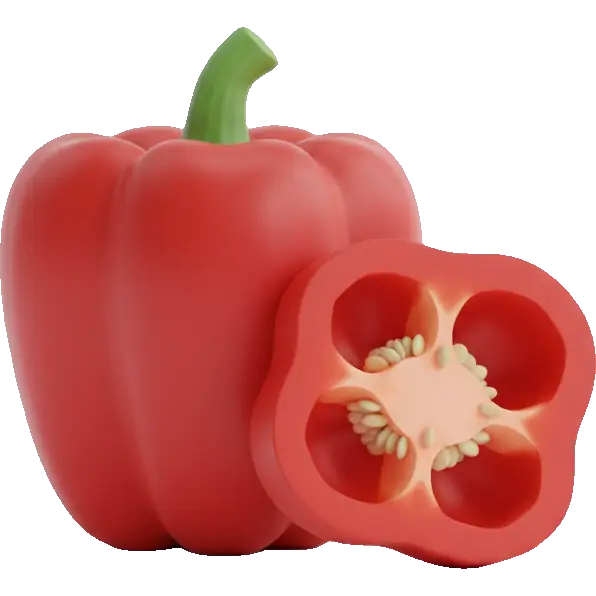
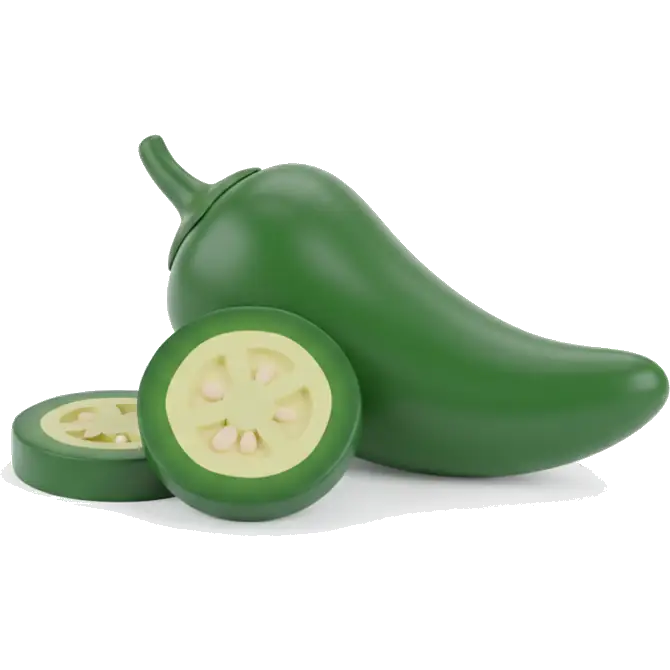
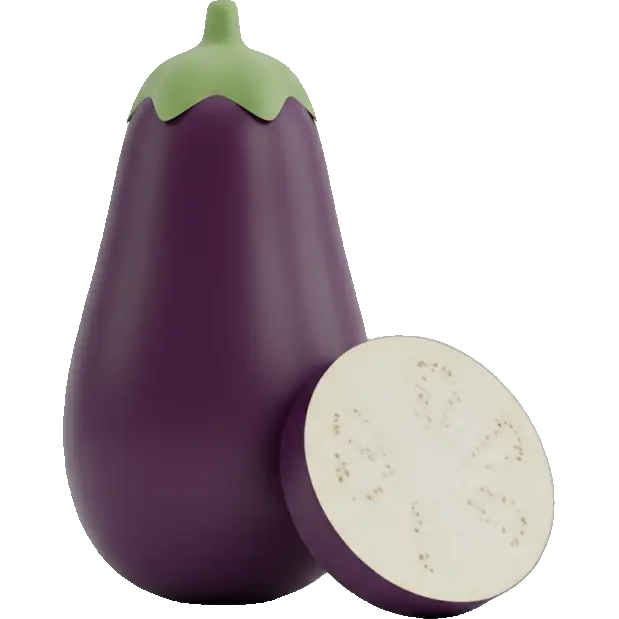
If you're sensitive to Nightshades, consider these strategies:
- 1Complete elimination for 30 days gives the clearest picture
- 2Watch for hidden nightshades in spice blends and sauces
- 3Paprika and cayenne are nightshades often overlooked
- 4Sweet potatoes are NOT nightshades - they're safe
- 5Goji berries are nightshades
Pro tip: Keep a food diary to track your reactions. The Triggerbites app makes this easy with automatic pattern detection.
Want personalized tracking?
Download Triggerbites to log meals, track symptoms, and discover your unique triggers.
Get the AppFAQ
Is cottage cheese high in Nightshades?
Nightshades: low signal for most people.
Can I still eat cottage cheese if I'm sensitive to Nightshades?
Usually fine in normal portions.
What else should I check?
Check Lactose, Lectin, and Vegan next for a fuller picture.