
octopus
Seafood
Is octopus high in nickel?
Is octopus high or low in nickel? See its exact rating, how much counts as a portion, and its FODMAP, salicylate, oxalate and diet compatibility in one place.
Related checkers
Compare octopus across criteria
Sensitivity notes
Why nickel food checker matters
Nickel is a metal found in many foods including chocolate, nuts, and leafy greens. People with nickel allergy (often showing as contact dermatitis) may also react to dietary nickel, causing skin and digestive symptoms.
- Avoid cooking acidic foods in stainless steel cookware
- Canned foods often have higher nickel content
- Chocolate, nuts, and legumes are common high-nickel foods
- First-draw water from taps may be higher in nickel - let it run
- Vitamin C may help reduce nickel absorption
Sensitivities
What octopus contains
FODMAPs
Histamine & Amines
Plant compounds
Irritants
Additives
Allergens
Diet fit
Where octopus fits
Therapeutic diets
Lifestyle diets
Religious diets
What to know about octopus
Octopus is a cephalopod mollusc, and on food chemistry it is a fairly quiet food: moderate for histamine, moderate as a histamine liberator, moderate for tyramine, and clean on everything else we track. No gluten, no lactose, no FODMAPs, no salicylate, no oxalate, no nickel, no nightshade, no added sulfites or nitrites. Nutritionally it is one of the leanest high-protein foods on the chart, roughly 30 g of protein and about 2 g of fat per 100 g cooked. The reason octopus shows up in trigger journals is usually one of two things that have nothing to do with its grades. The first is allergy: octopus is a mollusc, and along with squid it is one of the most commonly reported cephalopod allergens, driven by tropomyosin, which cross-reacts across molluscs and often with shrimp and crab. The second is handling. Octopus muscle is dense with collagen, so it needs either a long slow braise or the freeze-and-thaw trick that ruptures the connective tissue with ice crystals. That means most octopus you buy has already been frozen, often already cooked, and has spent hours in a warm pot. Histamine forms before cooking and survives it, so a long simmer cannot undo a bad cold chain.
Watch for
- Moderate on histamine, histamine liberation and tyramine, so a portion is usually fine but a reheated braise or a two-day-old octopus salad stacks all three
- Mollusc allergy is the real risk here, not food chemistry.Tropomyosin cross-reacts with squid, cuttlefish and snails, and frequently with shrimp and crab, and it is a completely separate allergy from finfish
- Most octopus is sold pre-cooked and frozen.Any histamine formed before that point is heat stable, so a long braise or a hot grill does not reduce it
- Octopus is naturally saline and is often salted or brined during tenderising, so it lands high in sodium even before anything is added to it
- The classic preparations carry more trigger load than the animal: grilled with lemon (a histamine liberator), dusted with smoked paprika (nightshade and salicylate), or braised in red wine (histamine and sulfites)




Explore related in Seafood
Compare similar foods to build a personalized list of swaps that work for your system.

Nickel Guide
Everything you need to know about nickel sensitivity and smart food choices.
Nickel is a metal found in many foods including chocolate, nuts, and leafy greens. People with nickel allergy (often showing as contact dermatitis) may also react to dietary nickel, causing skin and digestive symptoms.
Sensitivity varies widely. What triggers one person may be fine for another. Track your reactions to find your personal threshold.
These foods are generally well-tolerated for Nickel sensitivity:
View all safe options













These foods are high in nickel and may trigger symptoms:
View full list




If you're sensitive to Nickel, consider these strategies:
- 1Avoid cooking acidic foods in stainless steel cookware
- 2Canned foods often have higher nickel content
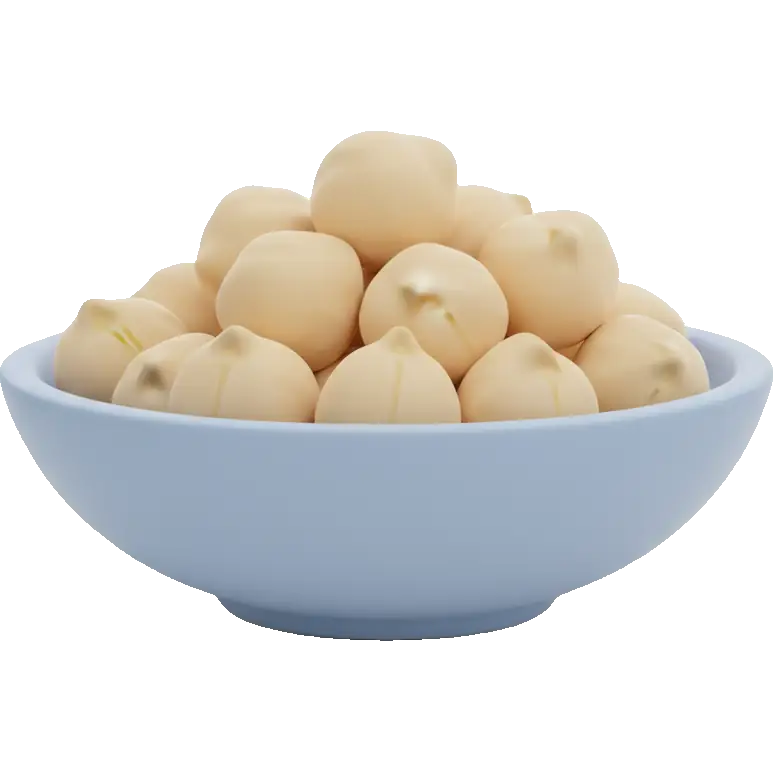
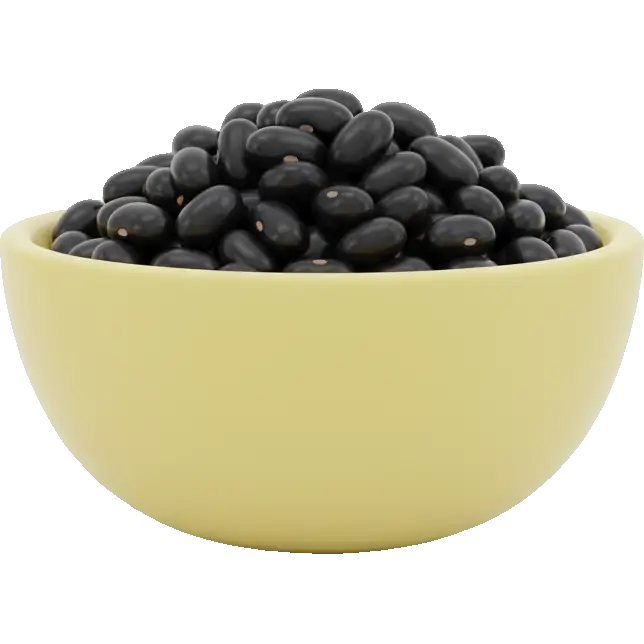
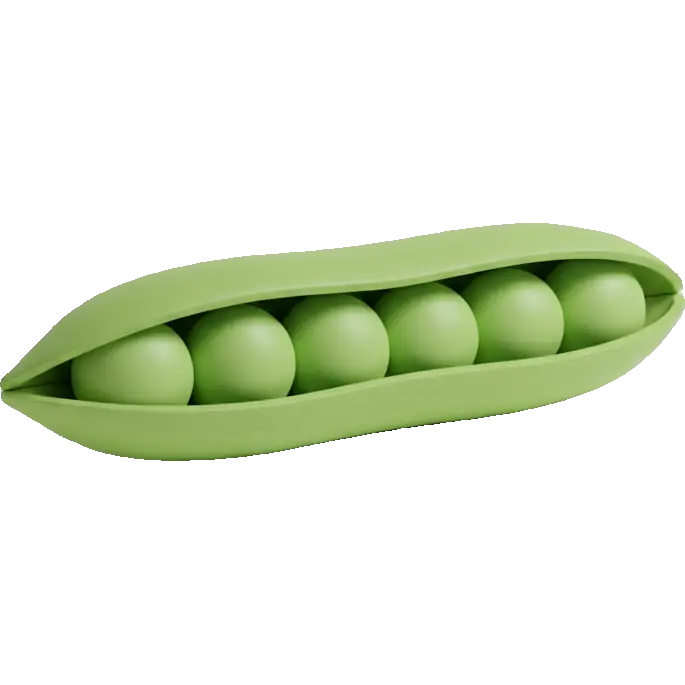
- 3Chocolate, nuts, and legumes are common high-nickel foods
- 4First-draw water from taps may be higher in nickel - let it run
- 5Vitamin C may help reduce nickel absorption
Pro tip: Keep a food diary to track your reactions. The Triggerbites app makes this easy with automatic pattern detection.
Want personalized tracking?
Download Triggerbites to log meals, track symptoms, and discover your unique triggers.
Get the AppFAQ
Is octopus high in Nickel?
Nickel: low signal for most people.
Can I still eat octopus if I'm sensitive to Nickel?
Usually fine in normal portions.
What else should I check?
Check Molluscs, Vegan, and Vegetarian next for a fuller picture.