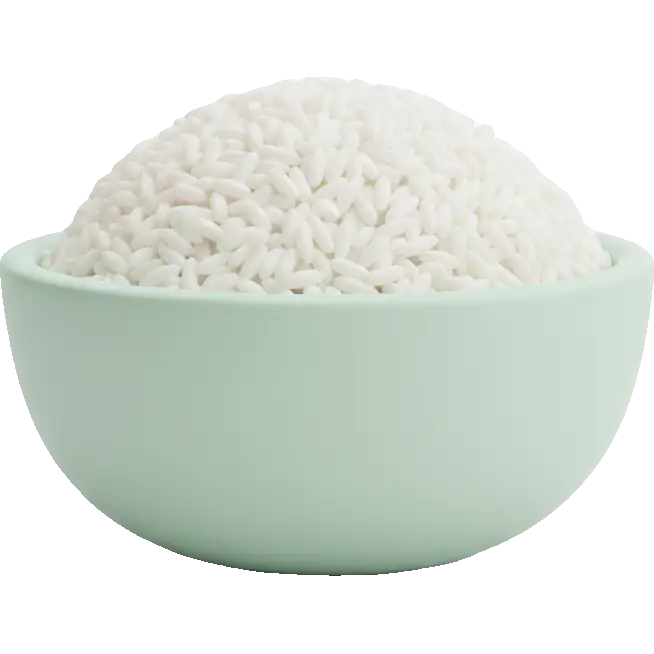
refined grains
Grains
Is refined grains low fibre-compatible?
See whether refined grains fits a low fibre diet, with a clear compatible-or-avoid verdict plus its FODMAP, histamine and other trigger ratings in one place.
Related checkers
Compare refined grains across criteria
Sensitivity notes
Why low fibre diet checker matters
Low Fibre affects how your body responds to certain foods. Understanding your personal tolerance helps you make informed choices.
- Keep a detailed food and symptom diary to track your personal reactions
- Eliminate the suspected trigger completely for 2-4 weeks
- Reintroduce gradually to find your personal tolerance threshold
- Work with a healthcare provider or registered dietitian for guidance
- Remember that food sensitivities can change over time
Sensitivities
What refined grains contains
FODMAPs
Histamine & Amines
Plant compounds
Irritants
Additives
Allergens
Diet fit
Where refined grains fits
Therapeutic diets
Lifestyle diets
Religious diets
What to know about refined grains
Refined grains are the umbrella for white flour, white rice, degermed cornmeal, instant grains and most packaged baked goods and breakfast cereals. Refining means the bran and the germ have been milled away, leaving the starchy endosperm. That removes the fibre, most of the magnesium and B vitamins, and, counterintuitively, most of the lectins and phytates too, since those concentrate in the bran. Our data grades the category D for gluten, because the refined grain most people eat is wheat, and E for inflammation. It is otherwise clean on histamine, nickel, sulfites and lactose. This is more of a nutrition-pattern page than a sensitivity page, and it is worth being honest about that.
Watch for
- Graded D for gluten, which reflects the category being wheat dominated.Whether a specific refined grain contains gluten depends entirely on the parent grain: refined wheat, barley and rye do, white rice and degermed corn do not
- Graded E for inflammation, the strongest claim on this record, and E for EoE compatibility.Both are pattern judgements about refined starch rather than a reaction to a single compound
- Enriched is not the same as whole.Enrichment puts back a short list of B vitamins and iron. It does not put back the fibre, the magnesium or the germ oils that were milled out
- The trade-off runs both ways.Refined flour is lower in lectins and phytates than wholemeal, which is why some people with sensitive guts genuinely feel better on white bread than on brown, and why the fibre advice does not fit everyone
- Our data grades this category clean on the individual FODMAP columns, but that is the category average, not a green light for wheat-based members of it.Wheat flour and bread carry their own fructan grades on their own pages






Explore related in Grains
Compare similar foods to build a personalized list of swaps that work for your system.




Low Fibre Guide
Everything you need to know about low fibre compatibility and smart food choices.
Low Fibre affects how your body responds to certain foods. Understanding your personal tolerance helps you make informed choices.
These foods are typically compatible with a Low Fibre approach:
View all safe options





Practical guidance for following a Low Fibre diet:
- 1Keep a detailed food and symptom diary to track your personal reactions
- 2Eliminate the suspected trigger completely for 2-4 weeks
- 3Reintroduce gradually to find your personal tolerance threshold
- 4Work with a healthcare provider or registered dietitian for guidance
- 5Remember that food sensitivities can change over time
Pro tip: Keep a food diary to track your reactions. The Triggerbites app makes this easy with automatic pattern detection.
Want personalized tracking?
Download Triggerbites to log meals, track symptoms, and discover your unique triggers.
Get the AppFAQ
Does refined grains fit a low fibre diet?
Low Fibre: fits well for most plans.
What if I eat it occasionally?
Still check preparation and add-ins.
What are safer swaps?
Compare within the Grains group.