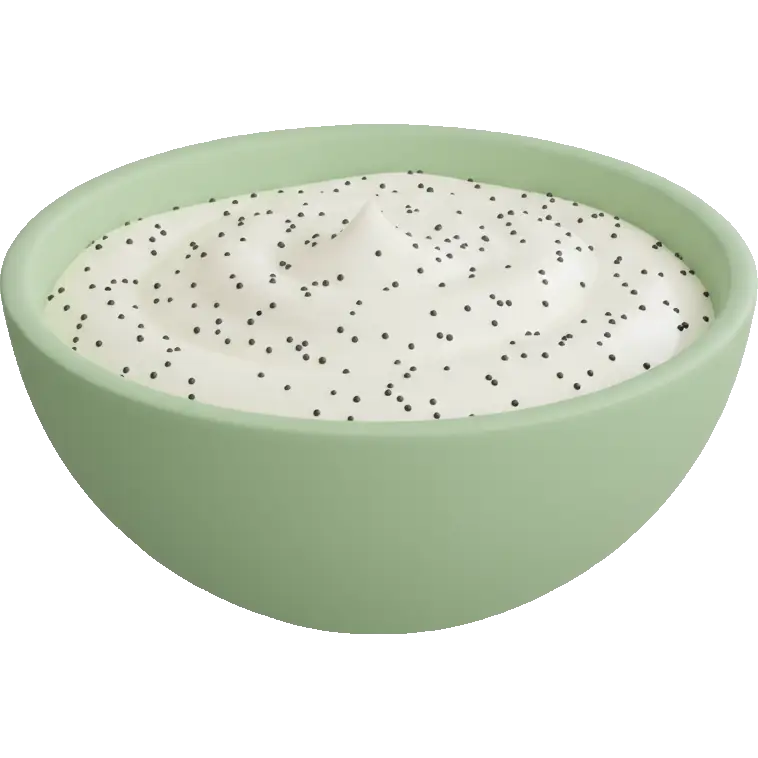
poppy seed dressing
Condiments & Sauces
Is poppy seed dressing high in lectin?
Is poppy seed dressing high or low in lectin? See its exact rating, how much counts as a portion, and its FODMAP, salicylate, oxalate and diet compatibility in one place.
Related checkers
Compare poppy seed dressing across criteria
Sensitivity notes
Why lectin food checker matters
Lectins are proteins found in many plant foods, especially legumes and grains. Some people follow low-lectin diets believing they reduce inflammation and digestive issues, though properly cooked foods have reduced lectin content.
- Proper cooking destroys most lectins - never eat raw beans
- Pressure cooking is highly effective at reducing lectins
- Peeling and deseeding reduces lectin content
- Fermentation can reduce lectins in some foods
- Sprouting may increase or decrease lectins depending on the food
Sensitivities
What poppy seed dressing contains
FODMAPs
Histamine & Amines
Plant compounds
Irritants
Additives
Allergens
Diet fit
Where poppy seed dressing fits
Therapeutic diets
Lifestyle diets
Religious diets
What to know about poppy seed dressing
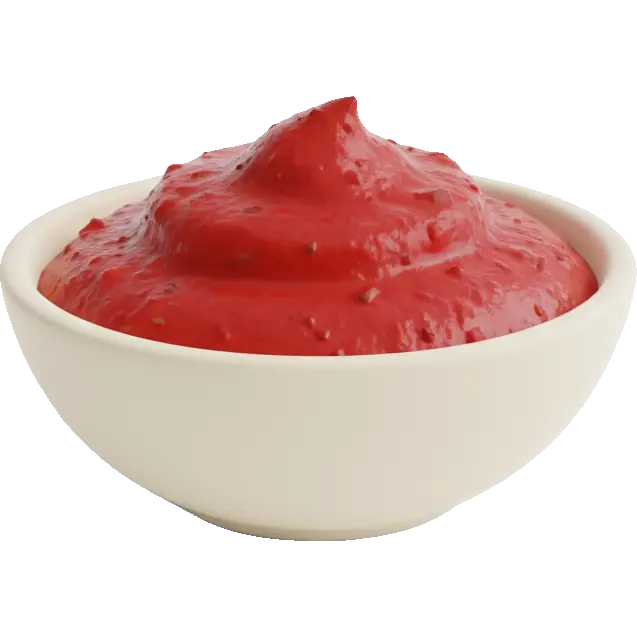
Poppy seed dressing is the sweet, pale, slightly tangy one that comes with spinach and strawberry salads, and the poppy seeds are the least important thing in the bottle. What is actually in it is oil, vinegar, a large amount of sugar, usually onion in some form, mustard and a stabiliser, with a scatter of seed for looks and crunch. That is why it grades poorly for bacterial fermentation and lands in borderline territory for FODMAPs, fructans and excess fructose, plus borderline flags for sulfites, salicylate and oxalate from the vinegar, mustard and seed. If a salad leaves you bloated when the leaves never used to, the dressing is a more likely culprit than anything else on the plate.
Watch for
- Our worst grade here is for bacterial fermentation, and it comes from the sugar.Bottled poppy seed dressing commonly lists sugar or high fructose corn syrup in the first two ingredients, which is also why it carries a borderline excess fructose flag that a plain oil and vinegar dressing does not
- Onion is the hidden fructan.Classic poppy seed dressing recipes are built on grated onion, onion juice or onion powder for the savoury edge under the sweetness, and that is where the fructan load sits. The seeds contribute almost nothing to FODMAP total
- Borderline for sulfites.The vinegar base plus the preservatives used to keep an emulsified bottled dressing shelf stable are a realistic sulfite exposure, so check the label if sulfites give you wheeze, flushing or headache
- Borderline for salicylate and oxalate, largely from the vinegar, dry mustard and seed rather than any one loud ingredient.It is a stacking risk on a strict elimination rather than a single high-dose source
- The poppy seed drug test question does not really apply here.A serving of dressing carries a fraction of a teaspoon of seed, far less than the seeded bagel or muffin quantities behind reported opiate screen results. See our poppy seeds page for that story in full

Explore related in Condiments & Sauces
Compare similar foods to build a personalized list of swaps that work for your system.


Lectin Guide
Everything you need to know about lectin sensitivity and smart food choices.
Lectins are proteins found in many plant foods, especially legumes and grains. Some people follow low-lectin diets believing they reduce inflammation and digestive issues, though properly cooked foods have reduced lectin content.
Sensitivity varies widely. What triggers one person may be fine for another. Track your reactions to find your personal threshold.
These foods are generally well-tolerated for Lectin sensitivity:
View all safe options




















If you're sensitive to Lectin, consider these strategies:
- 1Proper cooking destroys most lectins - never eat raw beans
- 2Pressure cooking is highly effective at reducing lectins
- 3Peeling and deseeding reduces lectin content
- 4Fermentation can reduce lectins in some foods
- 5Sprouting may increase or decrease lectins depending on the food
Pro tip: Keep a food diary to track your reactions. The Triggerbites app makes this easy with automatic pattern detection.
Want personalized tracking?
Download Triggerbites to log meals, track symptoms, and discover your unique triggers.
Get the AppFAQ
Is poppy seed dressing high in Lectin?
Lectin: moderate signal - portion size matters.
Can I still eat poppy seed dressing if I'm sensitive to Lectin?
Try smaller portions and space it out.
What else should I check?
Check AIP, Specific Carbohydrate, and Paleo next for a fuller picture.