
parsley root
Vegetables
Is parsley root high in lectin?
Is parsley root high or low in lectin? See its exact rating, how much counts as a portion, and its FODMAP, salicylate, oxalate and diet compatibility in one place.
Related checkers
Compare parsley root across criteria
Sensitivity notes
Why lectin food checker matters
Lectins are proteins found in many plant foods, especially legumes and grains. Some people follow low-lectin diets believing they reduce inflammation and digestive issues, though properly cooked foods have reduced lectin content.
- Proper cooking destroys most lectins - never eat raw beans
- Pressure cooking is highly effective at reducing lectins
- Peeling and deseeding reduces lectin content
- Fermentation can reduce lectins in some foods
- Sprouting may increase or decrease lectins depending on the food
Sensitivities
What parsley root contains
FODMAPs
Histamine & Amines
Plant compounds
Irritants
Additives
Allergens
Diet fit
Where parsley root fits
Therapeutic diets
Lifestyle diets
Religious diets
What to know about parsley root
Parsley root is the swollen taproot of a parsley cultivar, Petroselinum crispum var. tuberosum, grown for the root instead of the leaf and sold as Hamburg parsley. It is a staple of Central and Eastern European soup, pale and tapered enough that shoppers routinely mistake it for a parsnip, and it is a genuinely different ingredient from both the parsnip and the parsley leaf you chop over food. That distinction shows up in the grades: parsley leaf carries a high D salicylate load while the root sits at a moderate B. The root is mild almost everywhere else, with A for gluten, lactose, histamine, sulfites, nitrites, tyramine and glutamate. What it does carry is moderate fructans (B), which is why it reads medium rather than low FODMAP, plus B-level salicylate, oxalate and nickel. It is Apiaceae, the celery and carrot family, so the pollen-food cross-reactivity that runs through that family applies here too.
Watch for
- Moderate fructans (B) push it to medium FODMAP.A slice or two in a stockpot is fine, but a bowl of root soup where parsley root is a headline vegetable is a real fructan serving
- It almost never arrives alone.The Central European soup-greens bundle pairs it with leek and celery, and those are the bigger FODMAP problem: leek grades E on fructans and celery grades D on total FODMAPs. Before you blame the parsley root, check what else was in the pot
- Apiaceae cross-reactivity is the distinctive risk.If birch or mugwort pollen affects you, or celery and carrot make your mouth itch, parsley root belongs to the same family and can do the same. The proteins involved are heat-sensitive, so raw or lightly cooked is the higher-risk form and long-simmered soup is often tolerated
- Moderate nickel (B).Root vegetables draw nickel out of the soil, so it counts against a daily budget if you have systemic nickel allergy, though it is nowhere near the level of legumes, oats or cocoa
- It is not parsnip and it is not parsley.Parsnip is sweeter, starchier and graded separately at C for salicylate, while parsley leaf grades D. Logging the wrong one will send your trigger analysis somewhere useless
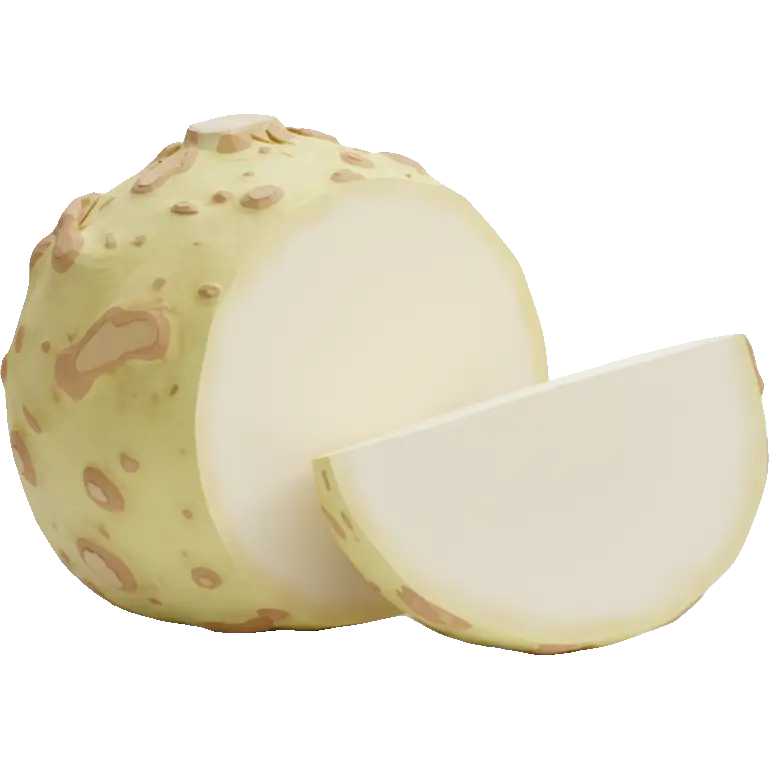

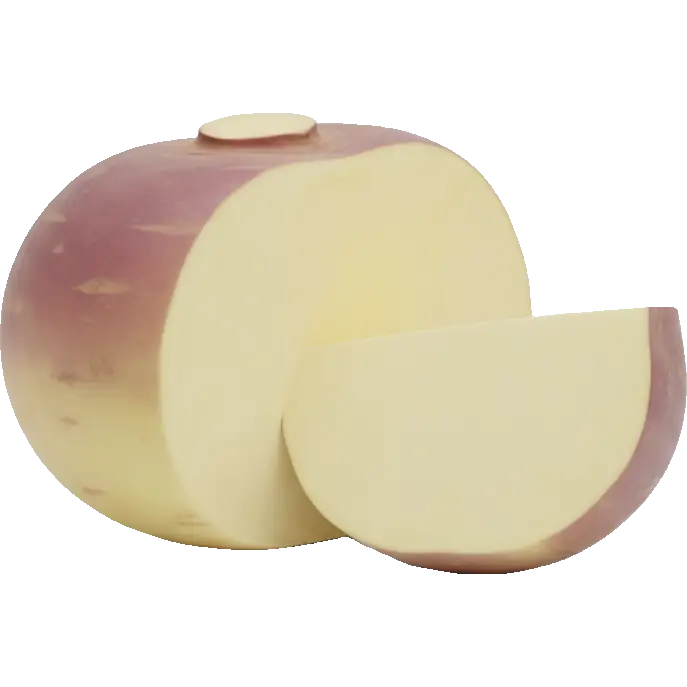



Explore related in Vegetables
Compare similar foods to build a personalized list of swaps that work for your system.




Lectin Guide
Everything you need to know about lectin sensitivity and smart food choices.
Lectins are proteins found in many plant foods, especially legumes and grains. Some people follow low-lectin diets believing they reduce inflammation and digestive issues, though properly cooked foods have reduced lectin content.
Sensitivity varies widely. What triggers one person may be fine for another. Track your reactions to find your personal threshold.
These foods are generally well-tolerated for Lectin sensitivity:
View all safe options

















If you're sensitive to Lectin, consider these strategies:
- 1Proper cooking destroys most lectins - never eat raw beans
- 2Pressure cooking is highly effective at reducing lectins
- 3Peeling and deseeding reduces lectin content
- 4Fermentation can reduce lectins in some foods
- 5Sprouting may increase or decrease lectins depending on the food
Pro tip: Keep a food diary to track your reactions. The Triggerbites app makes this easy with automatic pattern detection.
Want personalized tracking?
Download Triggerbites to log meals, track symptoms, and discover your unique triggers.
Get the AppFAQ
Is parsley root high in Lectin?
Lectin: low signal for most people.
Can I still eat parsley root if I'm sensitive to Lectin?
Usually fine in normal portions.
What else should I check?
Check Jain, Keto, and Low Fibre next for a fuller picture.