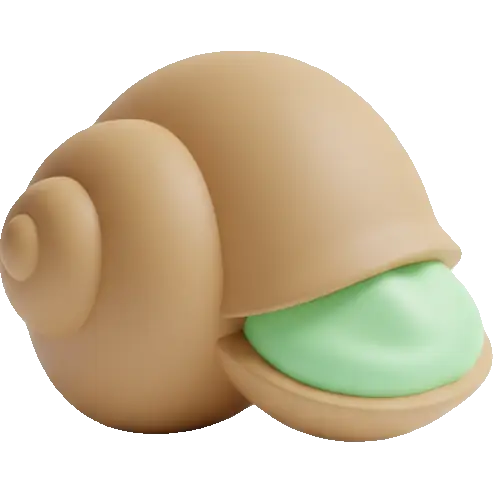
snail
Meat
Is snail high in histamine liberators?
Is snail high or low in histamine liberators? See its exact rating, how much counts as a portion, and its FODMAP, salicylate, oxalate and diet compatibility in one place.
Related checkers
Compare snail across criteria
Sensitivity notes
Why histamine liberators food checker matters
Histamine liberators are foods that don't contain much histamine themselves but can trigger your body to release stored histamine. This can cause similar symptoms to high-histamine foods in sensitive individuals.
- Avoid histamine liberators alongside high-histamine foods
- Common liberators include citrus, strawberries, tomatoes, and chocolate
- Your tolerance may vary based on overall histamine load
- Keep a symptom diary to identify your personal triggers
- Consider your total 'histamine bucket' - liberators add to it
Sensitivities
What snail contains
FODMAPs
Histamine & Amines
Plant compounds
Irritants
Additives
Allergens
Diet fit
Where snail fits
Therapeutic diets
Lifestyle diets
Religious diets
What to know about snail
Snails are molluscs, and that single fact carries most of what a trigger diary needs to know. Escargot sits in the same allergen group as mussels, clams, squid and abalone rather than with prawns and crab, and there is a further connection that surprises people: land snails share a major allergen with house dust mite, producing a well documented mite and snail syndrome in which people sensitised to dust mites react to snail on first exposure. On the food chemistry columns the meat itself is quiet, with only mild histamine and tyramine marks.
Watch for
- Snail is a mollusc, not a crustacean.Allergy to one group does not imply allergy to the other, since the sensitisation patterns differ, but molluscs do share tropomyosin as a major allergen across the group.
- Mite and snail syndrome is the genuinely useful fact here.House dust mite tropomyosin cross reacts with snail tropomyosin closely enough that people with strong dust mite allergy have had severe reactions to snail the very first time they ate it, with no prior exposure to sensitise them.
- Escargot is a delivery mechanism for garlic butter.A reaction to a plate of snails is at least as likely to belong to the garlic, the butter or the bread as to the mollusc.
- Undercooked snails carry a real parasite risk.Angiostrongylus cantonensis, the rat lungworm, uses snails and slugs as intermediate hosts and can cause eosinophilic meningitis. This is a reason to eat properly cooked snails from a commercial source rather than foraged ones.
- Wild caught snails need purging before cooking, since whatever they have been eating is still in them.



Explore related in Meat
Compare similar foods to build a personalized list of swaps that work for your system.
Histamine Liberators Guide
Everything you need to know about histamine liberators sensitivity and smart food choices.
Histamine liberators are foods that don't contain much histamine themselves but can trigger your body to release stored histamine. This can cause similar symptoms to high-histamine foods in sensitive individuals.
Sensitivity varies widely. What triggers one person may be fine for another. Track your reactions to find your personal threshold.
These foods are generally well-tolerated for Histamine Liberators sensitivity:
View all safe options






These foods have moderate levels and may be tolerated in small amounts:







These foods are high in histamine liberators and may trigger symptoms:
View full list




If you're sensitive to Histamine Liberators, consider these strategies:
- 1Avoid histamine liberators alongside high-histamine foods
- 2Common liberators include citrus, strawberries, tomatoes, and chocolate
- 3Your tolerance may vary based on overall histamine load
- 4Keep a symptom diary to identify your personal triggers
- 5Consider your total 'histamine bucket' - liberators add to it
Pro tip: Keep a food diary to track your reactions. The Triggerbites app makes this easy with automatic pattern detection.
Want personalized tracking?
Download Triggerbites to log meals, track symptoms, and discover your unique triggers.
Get the AppFAQ
Is snail high in Histamine Liberators?
Histamine Liberators: higher signal - consider smaller servings or swaps.
Can I still eat snail if I'm sensitive to Histamine Liberators?
Best to avoid or test carefully with a small amount.
What else should I check?
Check Molluscs, Vegan, and Vegetarian next for a fuller picture.