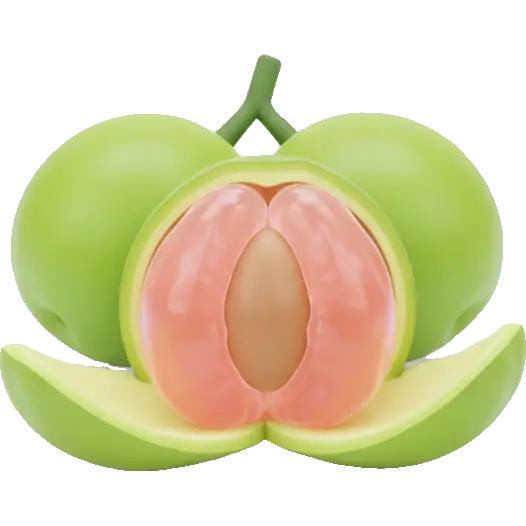
guinep
Fruit
Is guinep high in histamine?
Is guinep high or low in histamine? See its exact rating, how much counts as a portion, and its FODMAP, salicylate, oxalate and diet compatibility in one place.
Related checkers
Compare guinep across criteria
Sensitivity notes
Why histamine food checker matters
Histamine is a compound naturally present in many foods, especially aged, fermented, or preserved items. In sensitive individuals, excess histamine can cause headaches, flushing, hives, digestive issues, and other symptoms. Your body normally breaks down histamine, but some people have reduced capacity to do so.
- Focus on fresh foods - histamine builds up as food ages
- Cook and eat meals fresh; avoid leftovers sitting more than 24 hours
- Be cautious with fermented foods, aged cheeses, and cured meats
- Consider that stress and hormones can affect your histamine tolerance
- Some antihistamines or DAO supplements may help (consult your doctor)
Sensitivities
What guinep contains
FODMAPs
Histamine & Amines
Plant compounds
Irritants
Additives
Allergens
Diet fit
Where guinep fits
Therapeutic diets
Lifestyle diets
Religious diets
What to know about guinep
Guinep (Melicoccus bijugatus) is the small green Caribbean street fruit sold in bunches and eaten by cracking the leathery skin with your teeth and sucking the salmon coloured pulp off a large seed. On the food chemistry columns it is clean: A for histamine content, tyramine, gluten, lactose, dairy protein, free glutamates, sulfites, nitrites and nightshades, with mild B grades for histamine liberation, salicylates, oxalates and nickel. The gap in the data is the FODMAP block, which is unrated (U) across total FODMAPs, fructans, GOS, excess fructose and polyols. Unrated means untested, not cleared, and guinep sits in the soapberry family alongside lychee, longan and rambutan, all three of which grade D or E for FODMAPs and excess fructose. If you have IBS or fructose malabsorption, the sensible reading is to treat guinep as an unknown and log a small bunch rather than assume a clean row. The other thing worth knowing has nothing to do with food chemistry: the seed nearly fills the fruit, it is smooth and slippery, and guinep is a recognised choking hazard for young children in the Caribbean and Latin America.
Watch for
- Its FODMAP grades are unrated, not low.Every close relative we do have data for (lychee E, longan E, rambutan D) is a heavy FODMAP fruit, so a sensitive gut should treat guinep as untested rather than safe and log a small portion first
- A real choking risk, particularly for children.The seed is large, round and slippery, and the fruit is eaten by popping the whole thing into the mouth. Deaths in young children have been reported often enough in the Caribbean for it to be a standing public health warning. Deseed it for anyone under about five
- Underripe guinep is heavily astringent.That mouth drying pucker is tannin, not an allergic response, and it settles on its own, but it is unpleasant enough that people mistake it for a reaction
- Nickel grades B.That is a minor mark, but it stacks if you are managing systemic nickel allergy across a whole day of food rather than looking at one fruit




Explore related in Fruit
Compare similar foods to build a personalized list of swaps that work for your system.

Histamine Guide
Everything you need to know about histamine sensitivity and smart food choices.
Histamine is a compound naturally present in many foods, especially aged, fermented, or preserved items. In sensitive individuals, excess histamine can cause headaches, flushing, hives, digestive issues, and other symptoms. Your body normally breaks down histamine, but some people have reduced capacity to do so.
Sensitivity varies widely. What triggers one person may be fine for another. Track your reactions to find your personal threshold.
These foods are generally well-tolerated for Histamine sensitivity:
View all safe options





These foods have moderate levels and may be tolerated in small amounts:








These foods are high in histamine and may trigger symptoms:
View full list







If you're sensitive to Histamine, consider these strategies:
- 1Focus on fresh foods - histamine builds up as food ages
- 2Cook and eat meals fresh; avoid leftovers sitting more than 24 hours
- 3Be cautious with fermented foods, aged cheeses, and cured meats
- 4Consider that stress and hormones can affect your histamine tolerance
- 5Some antihistamines or DAO supplements may help (consult your doctor)
Pro tip: Keep a food diary to track your reactions. The Triggerbites app makes this easy with automatic pattern detection.
Want personalized tracking?
Download Triggerbites to log meals, track symptoms, and discover your unique triggers.
Get the AppFAQ
Is guinep high in Histamine?
Histamine: low signal for most people.
Can I still eat guinep if I'm sensitive to Histamine?
Usually fine in normal portions.
What else should I check?
Check Keto, Low Fermentation, and Low Fermentation next for a fuller picture.