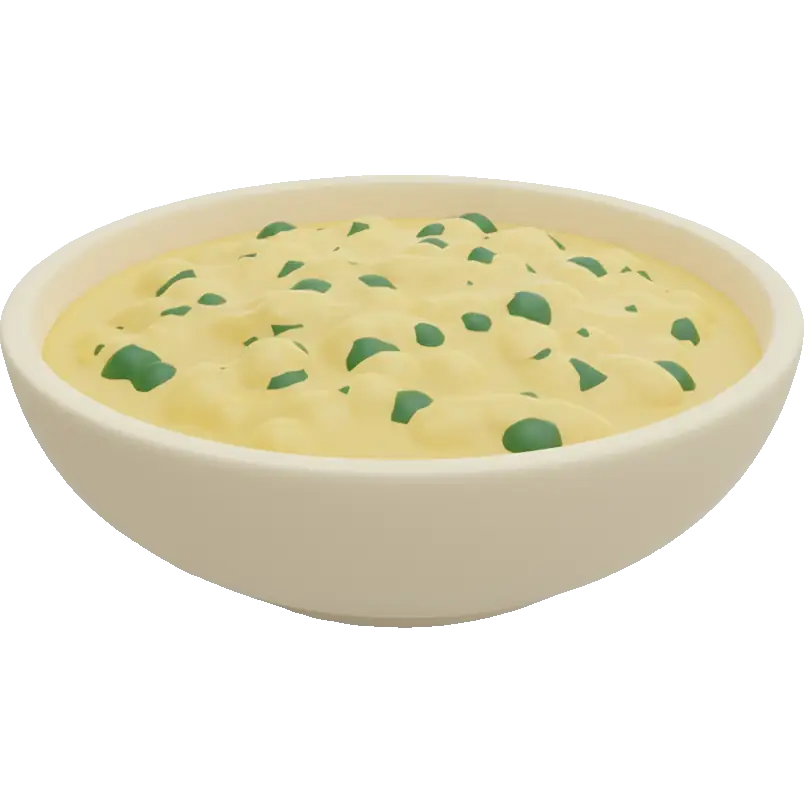
egusi seeds
Nuts & Seeds
Is egusi seeds high in histamine?
Is egusi seeds high or low in histamine? See its exact rating, how much counts as a portion, and its FODMAP, salicylate, oxalate and diet compatibility in one place.
Related checkers
Compare egusi seeds across criteria
Sensitivity notes
Why histamine food checker matters
Histamine is a compound naturally present in many foods, especially aged, fermented, or preserved items. In sensitive individuals, excess histamine can cause headaches, flushing, hives, digestive issues, and other symptoms. Your body normally breaks down histamine, but some people have reduced capacity to do so.
- Focus on fresh foods - histamine builds up as food ages
- Cook and eat meals fresh; avoid leftovers sitting more than 24 hours
- Be cautious with fermented foods, aged cheeses, and cured meats
- Consider that stress and hormones can affect your histamine tolerance
- Some antihistamines or DAO supplements may help (consult your doctor)
Sensitivities
What egusi seeds contains
FODMAPs
Histamine & Amines
Plant compounds
Irritants
Additives
Allergens
Diet fit
Where egusi seeds fits
Therapeutic diets
Lifestyle diets
Religious diets
What to know about egusi seeds
Egusi is the hulled seed of a West African gourd, ground to a coarse meal and used as the thickener and protein base of egusi soup across Nigeria, Ghana and Cameroon. Two things make it different from the nuts and seeds it sits beside in this database. First, it is a melon seed, not a tree nut, so it carries none of the tree nut allergen proteins and is a genuine option for people avoiding almonds, cashews and walnuts. Second, the portion is not a garnish. Egusi goes into a pot by the cupful and behaves as a staple, which is why its moderate nickel and oxalate grades deserve more attention here than the same grades would on a spice.
Watch for
- Oxalate and nickel both grade moderate (C), and the serving size is what turns that from trivia into something worth logging.A bowl of egusi soup can carry a hundred grams of ground seed, far more seed than anyone eats as a snack.
- Every FODMAP column on this row is unrated rather than clean.Egusi has not been tested, so treat a first bowl as an unknown rather than assuming the blank means low.
- Egusi soup is rarely just egusi.Ground crayfish, stockfish, palm oil and fermented locust bean (iru or dawadawa) are standard, and the fermented and dried seafood components carry far more histamine and glutamate than the seed does. If a bowl of egusi reliably sets you off, work through those before blaming the melon seed.
- The seed is high in fat and goes rancid quickly once ground.Rancid egusi tastes sharp and bitter, and stale ground seed is a common reason a familiar dish suddenly tastes wrong.
- It is not AIP compliant.The autoimmune protocol removes all seeds during the elimination phase regardless of how gentle the trigger profile looks.

Explore related in Nuts & Seeds
Compare similar foods to build a personalized list of swaps that work for your system.
Histamine Guide
Everything you need to know about histamine sensitivity and smart food choices.
Histamine is a compound naturally present in many foods, especially aged, fermented, or preserved items. In sensitive individuals, excess histamine can cause headaches, flushing, hives, digestive issues, and other symptoms. Your body normally breaks down histamine, but some people have reduced capacity to do so.
Sensitivity varies widely. What triggers one person may be fine for another. Track your reactions to find your personal threshold.
These foods are generally well-tolerated for Histamine sensitivity:
View all safe options







These foods have moderate levels and may be tolerated in small amounts:








These foods are high in histamine and may trigger symptoms:
View full list





If you're sensitive to Histamine, consider these strategies:
- 1Focus on fresh foods - histamine builds up as food ages
- 2Cook and eat meals fresh; avoid leftovers sitting more than 24 hours
- 3Be cautious with fermented foods, aged cheeses, and cured meats
- 4Consider that stress and hormones can affect your histamine tolerance
- 5Some antihistamines or DAO supplements may help (consult your doctor)
Pro tip: Keep a food diary to track your reactions. The Triggerbites app makes this easy with automatic pattern detection.
Want personalized tracking?
Download Triggerbites to log meals, track symptoms, and discover your unique triggers.
Get the AppFAQ
Is egusi seeds high in Histamine?
Histamine: low signal for most people.
Can I still eat egusi seeds if I'm sensitive to Histamine?
Usually fine in normal portions.
What else should I check?
Check AIP, Low Fibre, and Gastroparesis Diet next for a fuller picture.