
pea protein
Legumes/Pulses
Is pea protein high in gos?
Is pea protein high or low in gos? See its exact rating, how much counts as a portion, and its FODMAP, salicylate, oxalate and diet compatibility in one place.
Related checkers
Compare pea protein across criteria
Sensitivity notes
Why gos food checker matters
Galacto-oligosaccharides (GOS) are carbohydrates found mainly in legumes and some vegetables. They're a FODMAP that can ferment in the gut, causing bloating and discomfort in sensitive people.
- Canned and rinsed legumes are lower in GOS than dried
- Start with smaller portions and build up tolerance
- Some people find beano-type enzymes helpful
- Firm tofu is lower in GOS than silken tofu
- Sprouted legumes may be better tolerated
Sensitivities
What pea protein contains
FODMAPs
Histamine & Amines
Plant compounds
Irritants
Additives
Allergens
Diet fit
Where pea protein fits
Therapeutic diets
Lifestyle diets
Religious diets
What to know about pea protein
Pea protein is isolated from yellow split peas and turns up in plant milks, protein powders and meat substitutes. The most useful thing to know is that it does not behave like the pea it came from. Whole peas are heavy in galacto-oligosaccharides and grade high FODMAP, but the isolation process separates protein from the carbohydrate fraction, so pea protein isolate grades low FODMAP across the board, including GOS and fructans. That makes it one of the few concentrated protein sources that suits both a plant-based diet and a low FODMAP one. The genuine caveats are different: pea is a legume, pea allergy is real even though pea is not one of the nine major US allergens, and cross-reactivity across legumes including lupin and peanut is documented. It also carries a moderate nickel grade and a moderate lectin grade, both worth knowing if you take it daily as a powder.
Watch for
- Low FODMAP despite coming from a high-GOS legume, because isolation strips out the carbohydrate that causes the problem.Whole peas and pea flour do not get the same pass
- Pea is not one of the nine major US allergens, so it does not require an allergen callout, yet pea allergy is well described and pea protein has spread into products where nobody expects a legume
- Legume cross-reactivity is real: pea, lupin and peanut share related storage proteins, and reactions to pea protein have been reported in people already allergic to other legumes
- Moderate nickel grade, relevant if you have systemic nickel allergy syndrome and are taking a scoop of isolate daily rather than eating it occasionally
- Moderate lectin grade from its legume origin, and it is not AIP compliant, so it is off the table during an autoimmune protocol elimination phase





Explore related in Legumes/Pulses
Compare similar foods to build a personalized list of swaps that work for your system.
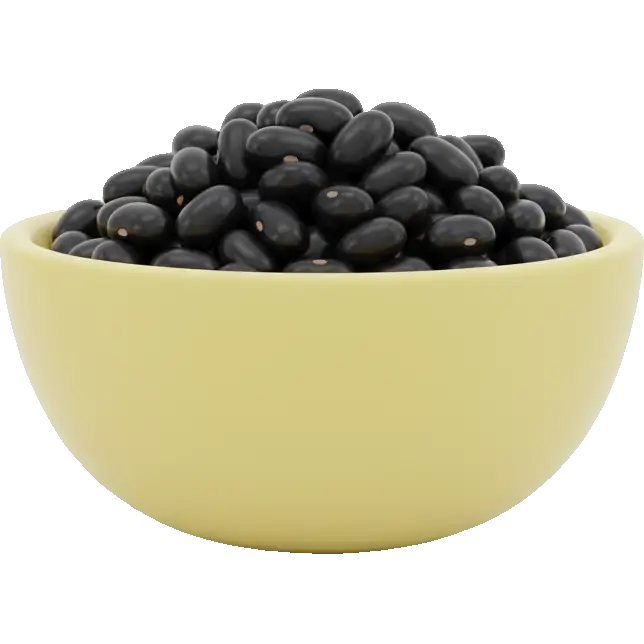

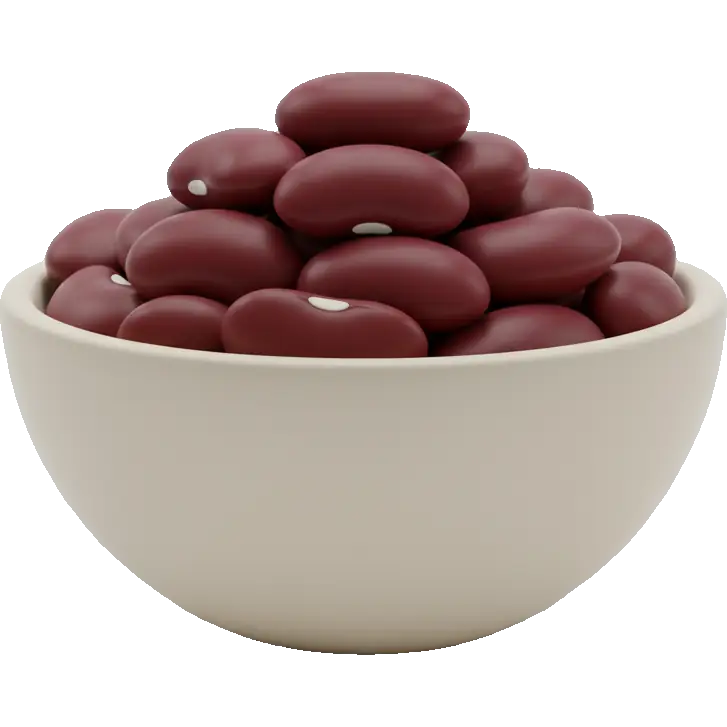
GOS Guide
Everything you need to know about gos sensitivity and smart food choices.
Galacto-oligosaccharides (GOS) are carbohydrates found mainly in legumes and some vegetables. They're a FODMAP that can ferment in the gut, causing bloating and discomfort in sensitive people.
Sensitivity varies widely. What triggers one person may be fine for another. Track your reactions to find your personal threshold.
These foods are generally well-tolerated for GOS sensitivity:
View all safe options







These foods have moderate levels and may be tolerated in small amounts:







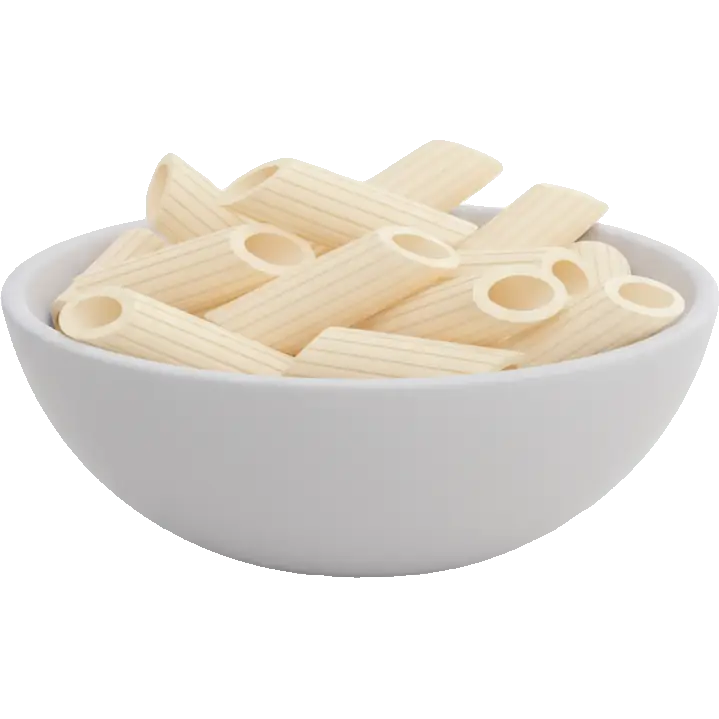
These foods are high in gos and may trigger symptoms:
View full list


If you're sensitive to GOS, consider these strategies:
- 1Canned and rinsed legumes are lower in GOS than dried
- 2Start with smaller portions and build up tolerance
- 3Some people find beano-type enzymes helpful
- 4Firm tofu is lower in GOS than silken tofu
- 5Sprouted legumes may be better tolerated
Pro tip: Keep a food diary to track your reactions. The Triggerbites app makes this easy with automatic pattern detection.
Want personalized tracking?
Download Triggerbites to log meals, track symptoms, and discover your unique triggers.
Get the AppFAQ
Is pea protein high in GOS?
GOS: low signal for most people.
Can I still eat pea protein if I'm sensitive to GOS?
Usually fine in normal portions.
What else should I check?
Check AIP, Specific Carbohydrate, and Paleo next for a fuller picture.