 Back to GOS food checker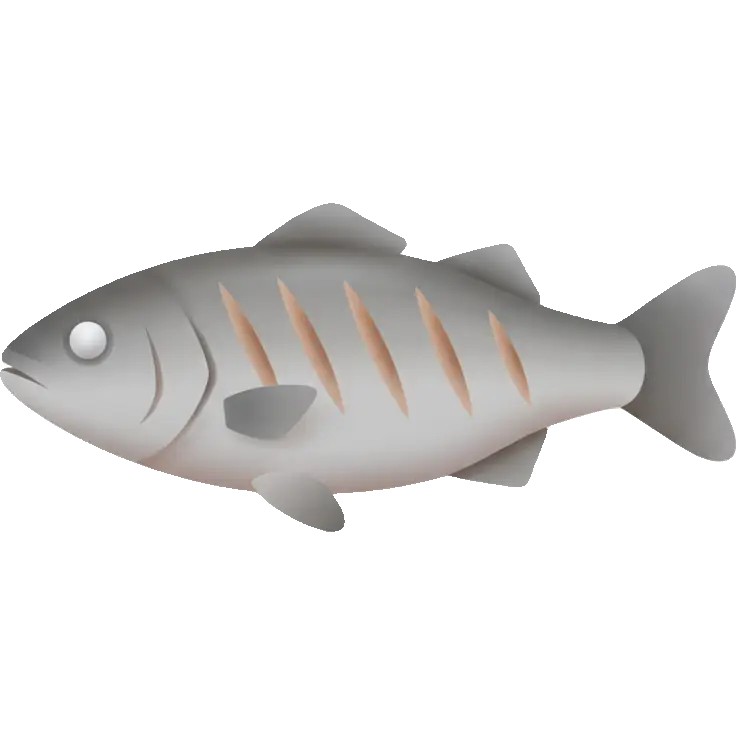
bass
Seafood
Is bass high in gos?
Is bass high or low in gos? See its exact rating, how much counts as a portion, and its FODMAP, salicylate, oxalate and diet compatibility in one place.

Related checkers
Compare bass across criteria

Sensitivity notes
Why gos food checker matters
Galacto-oligosaccharides (GOS) are carbohydrates found mainly in legumes and some vegetables. They're a FODMAP that can ferment in the gut, causing bloating and discomfort in sensitive people.
- Canned and rinsed legumes are lower in GOS than dried
- Start with smaller portions and build up tolerance
- Some people find beano-type enzymes helpful
- Firm tofu is lower in GOS than silken tofu
- Sprouted legumes may be better tolerated

Sensitivities
What bass contains
FODMAPs







Histamine & Amines



Plant compounds




Irritants




Additives



Allergens
















Diet fit
Where bass fits
Therapeutic diets










Lifestyle diets









Religious diets






What to know about bass
Is bass high in histamine? Not really. Bass is a lean white fish that grades safe on FODMAPs, gluten, lactose, salicylates, oxalates, nickel, glutamates and lectins, with nothing flagged for nightshade, sulfite or dairy sensitivity. Only two grades sit at borderline instead of clean, histamine and tyramine, and both track handling rather than the species. Bass is not a scombroid fish like tuna or mackerel, whose dark muscle is loaded with the histidine that turns into histamine, so a fillet that stayed cold from the boat is usually an easy protein to log.
Watch for
- Borderline on histamine, which is about the chill chain rather than the fish: a fillet that spent time above fridge temperature builds amines, and that histamine is heat stable, so cooking will not undo it
- Borderline on tyramine as well, worth knowing if you take an MAOI or track migraine, because tyramine climbs alongside histamine as the flesh ages.Day-three leftovers are the version to be careful with
- A squeeze of lemon is fine, but the classic white wine pan sauce is not: wine is graded high in histamine and high in salicylates, so the sauce can set off a reaction the fish never would
- "Bass" covers very different fish.Branzino (European sea bass), black sea bass, striped bass and freshwater largemouth are all sold under the name, and Chilean sea bass is not a bass at all but Patagonian toothfish, with a much fattier flesh and a longer supply chain






Explore related in Seafood
Compare similar foods to build a personalized list of swaps that work for your system.



GOS Guide
Everything you need to know about gos sensitivity and smart food choices.
Galacto-oligosaccharides (GOS) are carbohydrates found mainly in legumes and some vegetables. They're a FODMAP that can ferment in the gut, causing bloating and discomfort in sensitive people.
Sensitivity varies widely. What triggers one person may be fine for another. Track your reactions to find your personal threshold.

These foods are generally well-tolerated for GOS sensitivity:
View all safe options








These foods have moderate levels and may be tolerated in small amounts:





These foods are high in gos and may trigger symptoms:
View full list


If you're sensitive to GOS, consider these strategies:
- 1Canned and rinsed legumes are lower in GOS than dried
- 2Start with smaller portions and build up tolerance
- 3Some people find beano-type enzymes helpful
- 4Firm tofu is lower in GOS than silken tofu
- 5Sprouted legumes may be better tolerated
Pro tip: Keep a food diary to track your reactions. The Triggerbites app makes this easy with automatic pattern detection.
Want personalized tracking?
Download Triggerbites to log meals, track symptoms, and discover your unique triggers.
Get the AppFAQ
Is bass high in GOS?
GOS: low signal for most people.
Can I still eat bass if I'm sensitive to GOS?
Usually fine in normal portions.
What else should I check?
Check Fish, Vegan, and Vegetarian next for a fuller picture.