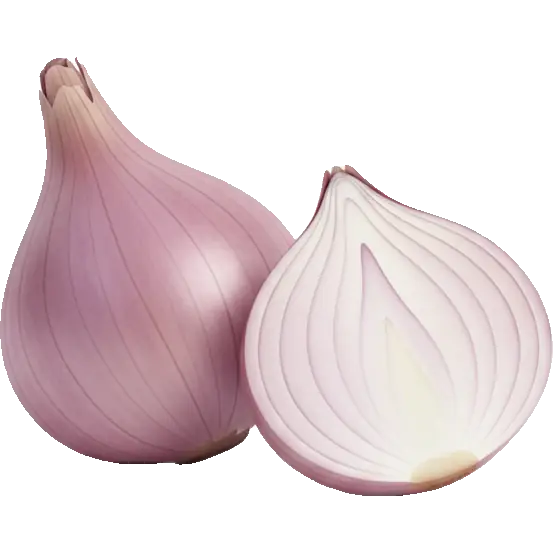
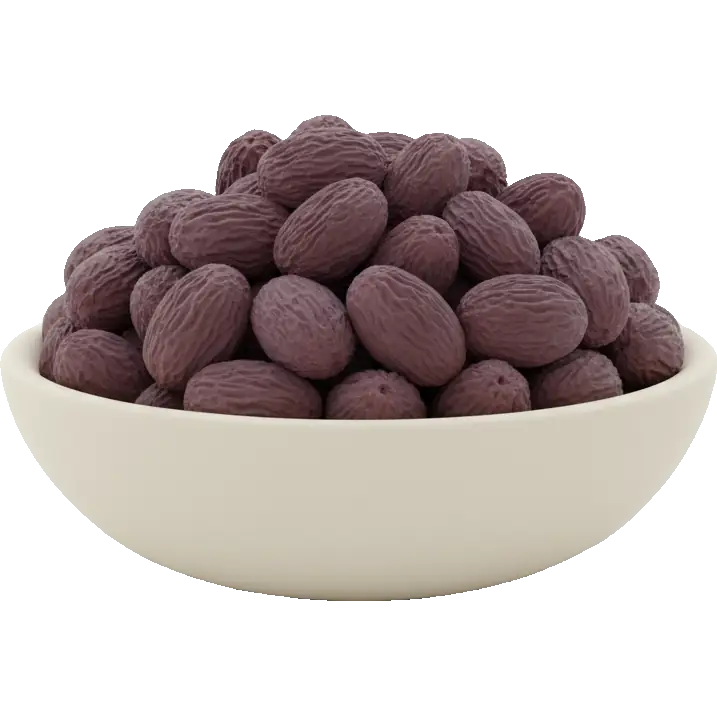
shallot
Vegetables
Is shallot high in fructose?
Is shallot high or low in fructose? See its exact rating, how much counts as a portion, and its FODMAP, salicylate, oxalate and diet compatibility in one place.
Related checkers
Compare shallot across criteria
Sensitivity notes
Why fructose food checker matters
Excess fructose refers to foods where fructose exceeds glucose content. This imbalance can cause malabsorption issues, leading to bloating, gas, and digestive discomfort in sensitive individuals.
- Pair fructose-containing foods with glucose for better absorption
- Choose fruits with balanced fructose:glucose ratios
- Avoid high-fructose corn syrup and agave
- Honey is very high in excess fructose
- Portion size significantly affects tolerance
Sensitivities
What shallot contains
FODMAPs
Histamine & Amines
Plant compounds
Irritants
Additives
Allergens
Diet fit
Where shallot fits
Therapeutic diets
Lifestyle diets
Religious diets
What to know about shallot
Shallots taste milder and sweeter than onion, which makes them dangerously easy to underestimate. They are one of the most concentrated sources of fructans there is, graded even higher than onion itself, so they are firmly high FODMAP. The trap is dressings, vinaigrettes and pan sauces: even a finely minced spoonful of raw shallot dissolves into the dish and carries a heavy fructan load you never see on the plate.
Watch for
- Very high in fructans, more concentrated than regular onion, which makes shallots a strong high FODMAP trigger for bloating, gas and pain
- Fructans are water soluble, so shallot cooked or minced into oil, dressing or stock still spreads the trigger through the whole dish
- No safe way to cook it out: unlike garlic-infused oil, there is no low FODMAP shallot-infused shortcut because the fructans leach into the liquid





Explore related in Vegetables
Compare similar foods to build a personalized list of swaps that work for your system.




Fructose Guide
Everything you need to know about fructose sensitivity and smart food choices.
Excess fructose refers to foods where fructose exceeds glucose content. This imbalance can cause malabsorption issues, leading to bloating, gas, and digestive discomfort in sensitive individuals.
Sensitivity varies widely. What triggers one person may be fine for another. Track your reactions to find your personal threshold.
These foods are generally well-tolerated for Fructose sensitivity:
View all safe options






These foods have moderate levels and may be tolerated in small amounts:







These foods are high in fructose and may trigger symptoms:
View full list



If you're sensitive to Fructose, consider these strategies:
- 1Pair fructose-containing foods with glucose for better absorption
- 2Choose fruits with balanced fructose:glucose ratios
- 3Avoid high-fructose corn syrup and agave
- 4Honey is very high in excess fructose
- 5Portion size significantly affects tolerance
Pro tip: Keep a food diary to track your reactions. The Triggerbites app makes this easy with automatic pattern detection.
Want personalized tracking?
Download Triggerbites to log meals, track symptoms, and discover your unique triggers.
Get the AppFAQ
Is shallot high in Fructose?
Fructose: low signal for most people.
Can I still eat shallot if I'm sensitive to Fructose?
Usually fine in normal portions.
What else should I check?
Check Fructans, Jain, and Buddhist Vegetarian next for a fuller picture.