
saskatoon berry
Fruit
Is saskatoon berry high in fructose?
Is saskatoon berry high or low in fructose? See its exact rating, how much counts as a portion, and its FODMAP, salicylate, oxalate and diet compatibility in one place.
Related checkers
Compare saskatoon berry across criteria
Sensitivity notes
Why fructose food checker matters
Excess fructose refers to foods where fructose exceeds glucose content. This imbalance can cause malabsorption issues, leading to bloating, gas, and digestive discomfort in sensitive individuals.
- Pair fructose-containing foods with glucose for better absorption
- Choose fruits with balanced fructose:glucose ratios
- Avoid high-fructose corn syrup and agave
- Honey is very high in excess fructose
- Portion size significantly affects tolerance
Sensitivities
What saskatoon berry contains
FODMAPs
Histamine & Amines
Plant compounds
Irritants
Additives
Allergens
Diet fit
Where saskatoon berry fits
Therapeutic diets
Lifestyle diets
Religious diets
What to know about saskatoon berry
The saskatoon is not botanically a berry. Amelanchier alnifolia sits in the apple tribe of the rose family, so the thing that looks like a blueberry is really a miniature pome, core and all, closer kin to a pear than to anything in the Vaccinium bushes it gets shelved beside. That is also the flavour explanation people are usually hunting for: a saskatoon pie smells of marzipan because the soft seeds carry the same family of cyanogenic compounds that scent apple pips and almonds. On the trigger data it is a quiet fruit. Saskatoon grades clean for histamine content, tyramine, sulfites, nitrites, gluten, lactose, dairy protein, lectins and nightshade, and only mildly elevated for salicylates, oxalate, nickel, free glutamates and histamine liberation. Its FODMAP columns are untested rather than cleared, which is what you would expect of a fruit that became an orchard crop only recently and mostly in one country.
Watch for
- It is a pome in the apple tribe, alongside pear, quince and hawthorn, rather than a relative of the blueberry.If raw apple or pear gives you an itchy mouth or throat from birch pollen food allergy syndrome, that botanical relationship is a reason to take a small first taste and wait. There is no cross-reactivity data specific to saskatoon, so this is a relationship worth knowing rather than a tested finding
- The almond note is the seed, not a flavouring.Saskatoon seeds are soft enough to eat and they are what give cooked saskatoon its marzipan character. At eating quantities this is a flavour fact rather than a hazard, but it is the reason the fruit tastes nothing like the blueberry it resembles and the reason recipes lean into almond extract
- FODMAP grades are unrated rather than low.Saskatoons are eaten by the handful off the bush and baked by the litre in the prairies, and those are very different exposures with no published portion figure behind either
- Mild salicylate and mild histamine liberator grades, both well under blueberry, which grades high for salicylates.That gap is what makes saskatoon a workable stand-in when a recipe calls for blueberry and blueberry has been a problem
- Nearly all commercial saskatoon arrives frozen, or as pie filling, syrup, jam or sweetened dried fruit.The dried form in particular is usually infused with sugar or juice concentrate, which is a different food from the fruit these grades describe
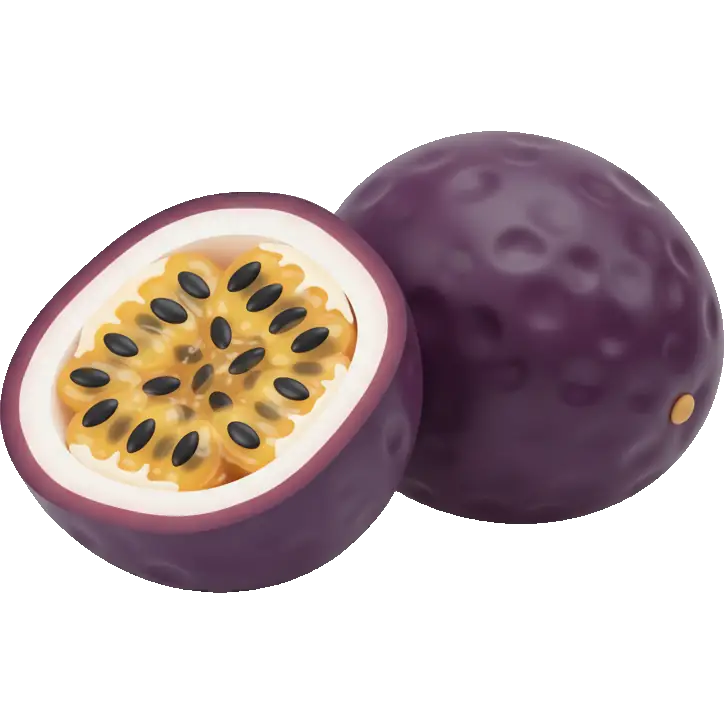

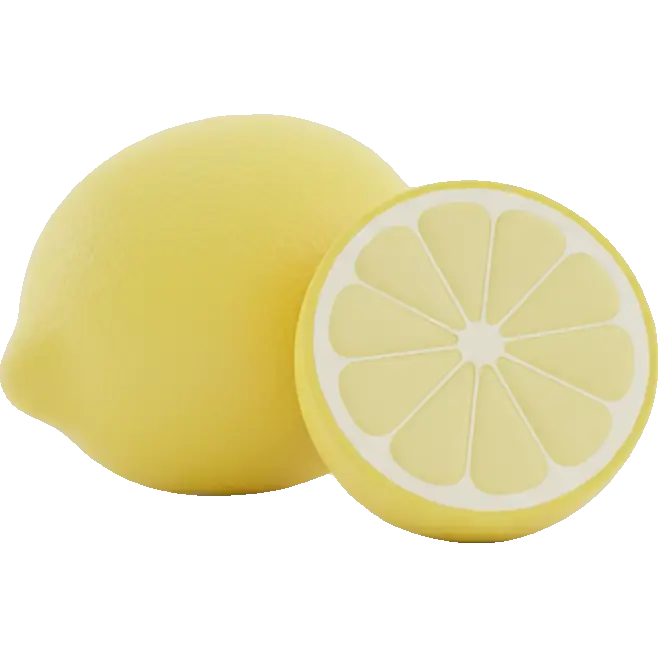


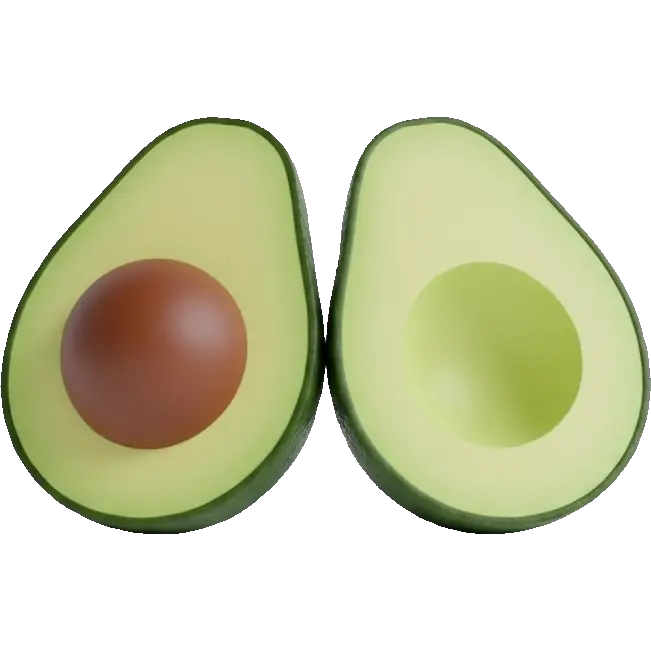
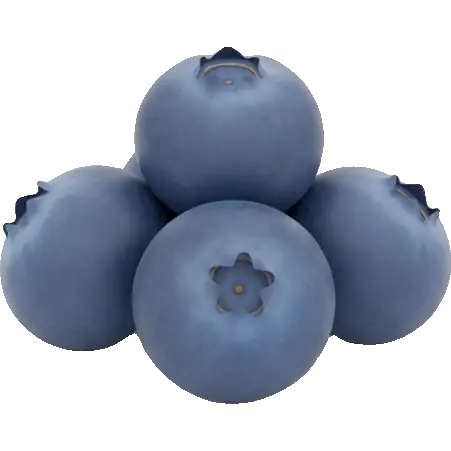
Explore related in Fruit
Compare similar foods to build a personalized list of swaps that work for your system.

Fructose Guide
Everything you need to know about fructose sensitivity and smart food choices.
Excess fructose refers to foods where fructose exceeds glucose content. This imbalance can cause malabsorption issues, leading to bloating, gas, and digestive discomfort in sensitive individuals.
Sensitivity varies widely. What triggers one person may be fine for another. Track your reactions to find your personal threshold.
These foods are generally well-tolerated for Fructose sensitivity:
View all safe options







These foods have moderate levels and may be tolerated in small amounts:





These foods are high in fructose and may trigger symptoms:
View full list
If you're sensitive to Fructose, consider these strategies:
- 1Pair fructose-containing foods with glucose for better absorption
- 2Choose fruits with balanced fructose:glucose ratios
- 3Avoid high-fructose corn syrup and agave
- 4Honey is very high in excess fructose
- 5Portion size significantly affects tolerance
Pro tip: Keep a food diary to track your reactions. The Triggerbites app makes this easy with automatic pattern detection.
Want personalized tracking?
Download Triggerbites to log meals, track symptoms, and discover your unique triggers.
Get the AppFAQ
Is saskatoon berry high in Fructose?
Fructose: higher signal - consider smaller servings or swaps.
Can I still eat saskatoon berry if I'm sensitive to Fructose?
Best to avoid or test carefully with a small amount.
What else should I check?
Check Keto, Low Fibre, and Low-carb next for a fuller picture.