 Back to Fructose food checker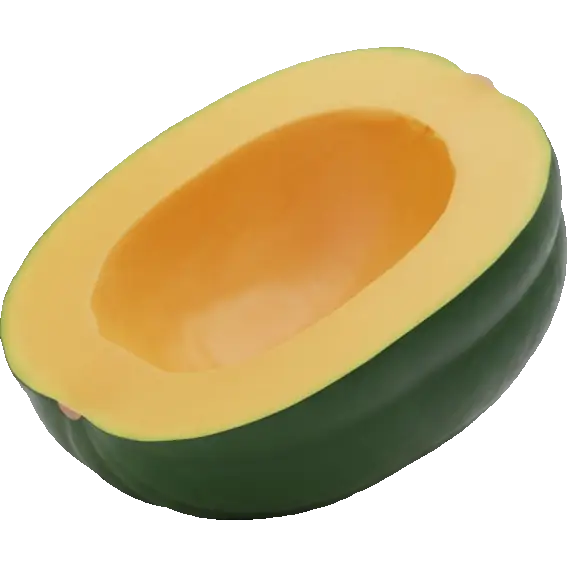
acorn squash
Vegetables
Is acorn squash high in fructose?
Is acorn squash high or low in fructose? See its exact rating, how much counts as a portion, and its FODMAP, salicylate, oxalate and diet compatibility in one place.

Related checkers
Compare acorn squash across criteria

Sensitivity notes
Why fructose food checker matters
Excess fructose refers to foods where fructose exceeds glucose content. This imbalance can cause malabsorption issues, leading to bloating, gas, and digestive discomfort in sensitive individuals.
- Pair fructose-containing foods with glucose for better absorption
- Choose fruits with balanced fructose:glucose ratios
- Avoid high-fructose corn syrup and agave
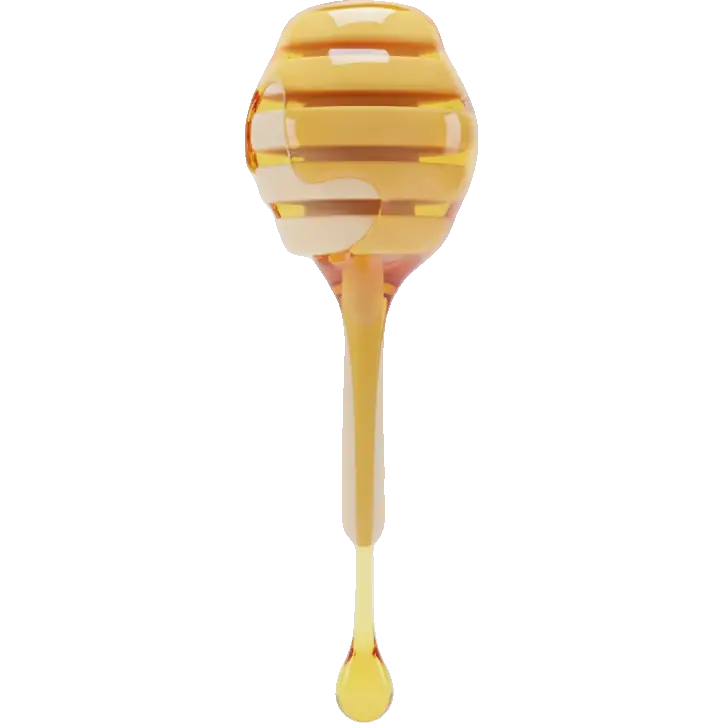
- Honey is very high in excess fructose
- Portion size significantly affects tolerance

Sensitivities
What acorn squash contains
FODMAPs







Histamine & Amines



Plant compounds




Irritants




Additives



Allergens
















Diet fit
Where acorn squash fits
Therapeutic diets










Lifestyle diets









Religious diets






What to know about acorn squash
Acorn squash is a strongly anti-inflammatory winter squash with no histamine, nickel, glutamate or nightshade issue, and unlike several of its cousins it is not graded as a polyol source. Its one real flag is lectins: acorn squash rates high on the lectin scale, which matters if you follow a lectin-restricted plan. Salicylates are moderate, so it sits mid-range rather than clean if aspirin-type foods bother you.
Watch for
- High in lectins, the main reason acorn squash shows up on lectin-avoidance lists.Lectins are concentrated in the skin and seeds and are reduced by thorough moist cooking, so eating it raw or barely cooked is the worst case
- Moderate salicylate content, enough to add to your daily load if you are stacking it with other salicylate-rich produce, but not a high-salicylate food on its own
- Overall FODMAP load is unrated here, though the individual FODMAP columns (fructans, GOS, fructose and polyols) all come back clean, so the usual winter-squash polyol worry does not apply to this one
- The classic preparation is the variable: brown sugar, maple syrup or honey in the cavity turns a clean vegetable into a sugar load, and stuffing mixes often bring wheat and onion with them


Explore related in Vegetables
Compare similar foods to build a personalized list of swaps that work for your system.




Fructose Guide
Everything you need to know about fructose sensitivity and smart food choices.
Excess fructose refers to foods where fructose exceeds glucose content. This imbalance can cause malabsorption issues, leading to bloating, gas, and digestive discomfort in sensitive individuals.
Sensitivity varies widely. What triggers one person may be fine for another. Track your reactions to find your personal threshold.

These foods are generally well-tolerated for Fructose sensitivity:
View all safe options







These foods have moderate levels and may be tolerated in small amounts:



These foods are high in fructose and may trigger symptoms:
View full list

If you're sensitive to Fructose, consider these strategies:
- 1Pair fructose-containing foods with glucose for better absorption
- 2Choose fruits with balanced fructose:glucose ratios
- 3Avoid high-fructose corn syrup and agave
- 4Honey is very high in excess fructose
- 5Portion size significantly affects tolerance
Pro tip: Keep a food diary to track your reactions. The Triggerbites app makes this easy with automatic pattern detection.
Want personalized tracking?
Download Triggerbites to log meals, track symptoms, and discover your unique triggers.
Get the AppFAQ
Is acorn squash high in Fructose?
Fructose: low signal for most people.
Can I still eat acorn squash if I'm sensitive to Fructose?
Usually fine in normal portions.
What else should I check?
Check Lectin, Salicylates, and Low Salicylate next for a fuller picture.