 Back to FODMAPs food checker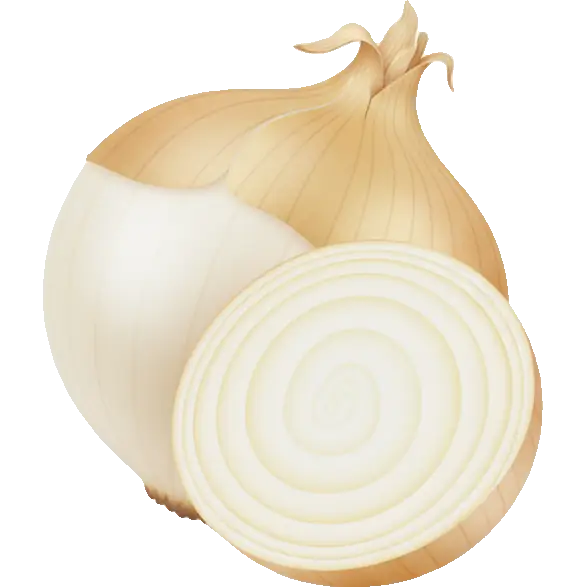
onion
Vegetables
Is onion high in fodmaps?
Is onion high or low in fodmaps? See its exact rating, how much counts as a portion, and its FODMAP, salicylate, oxalate and diet compatibility in one place.

Related checkers
Compare onion across criteria

Sensitivity notes
Why fodmaps food checker matters
FODMAPs are fermentable carbohydrates that can cause digestive distress in sensitive individuals. They include fructose, lactose, fructans, galactans, and polyols. These sugars are poorly absorbed in the small intestine and ferment in the colon, potentially causing bloating, gas, and discomfort.
- Start with a 2-6 week elimination phase, removing all high-FODMAP foods
- Keep a detailed food and symptom diary to track your reactions
- Reintroduce one FODMAP group at a time to identify your specific triggers
- Remember that threshold varies - you may tolerate small amounts
- Work with a dietitian trained in the low-FODMAP diet for best results

Sensitivities
What onion contains
FODMAPs







Histamine & Amines



Plant compounds




Irritants




Additives



Allergens
















Diet fit
Where onion fits
Therapeutic diets










Lifestyle diets









Religious diets






What to know about onion
Onion is graded E for fructans and E for total FODMAPs, the top of our scale, which is why it is the single most common trigger people uncover once they start logging food against symptoms. The reaction is a carbohydrate problem rather than an allergy: onion is A for histamine, A for oxalates, A for lectins and A for nightshades, so if onion bloats you the fructans are almost certainly the mechanism. It also grades E for low fermentation SIBO plans. The frustrating part is that fructans are water soluble and heat stable, so caramelizing, slow simmering or fishing the pieces out of a sauce does not make onion any safer, and onion hidden in stock, gravy and spice blends is why so many people react to restaurant food they cannot account for.
Watch for
- Fructans and total FODMAPs both graded E, the highest tier we use, and the grade does not soften between raw and cooked onion
- Cooking is not a fix: fructans dissolve out of the onion into the pan and stay in the liquid, so straining the pieces out leaves the trigger in the sauce
- Hidden onion drives most unexplained flare-ups: stock cubes, gravies, curry pastes, spice rubs, chips and anything listed as seasoning or natural flavor
- Graded E for low fermentation SIBO, so onion is usually one of the first things pulled when working through a SIBO protocol
- Clean on the rest of the chemistry (histamine A, oxalate A, lectin A, nightshade A, with only a borderline B for histamine liberation), which is why an onion reaction is nearly always intolerance rather than allergy
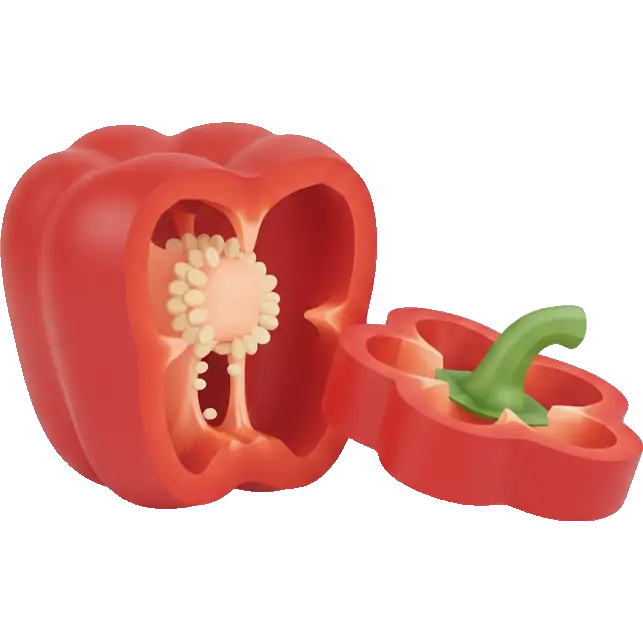
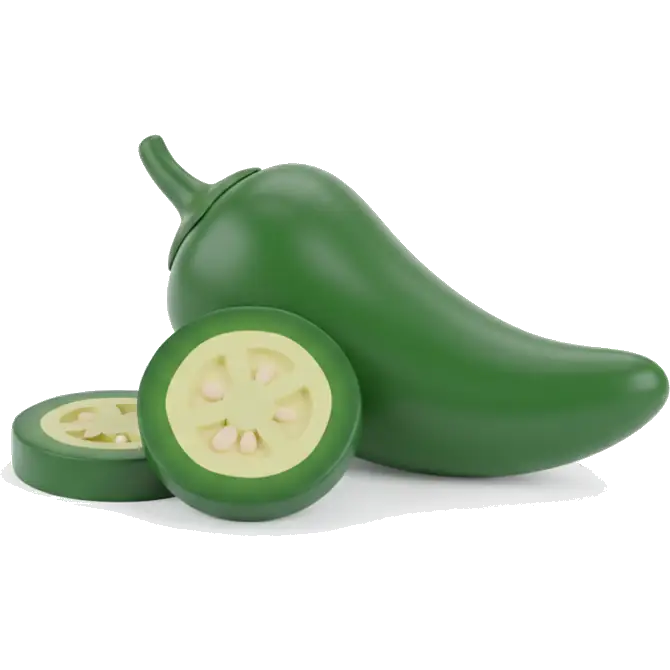

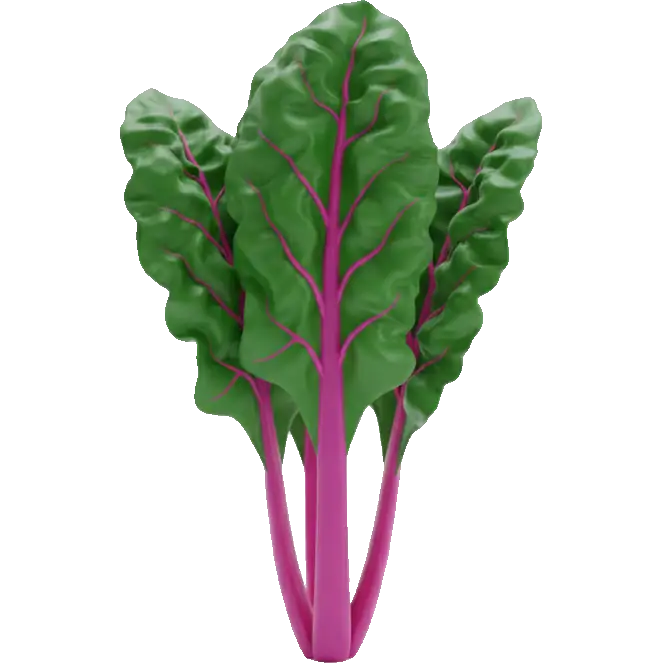

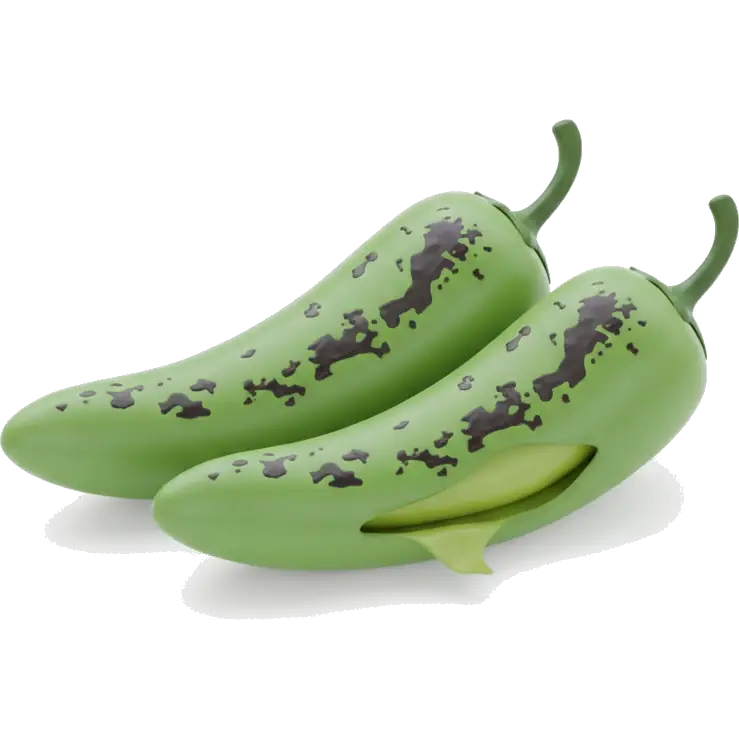

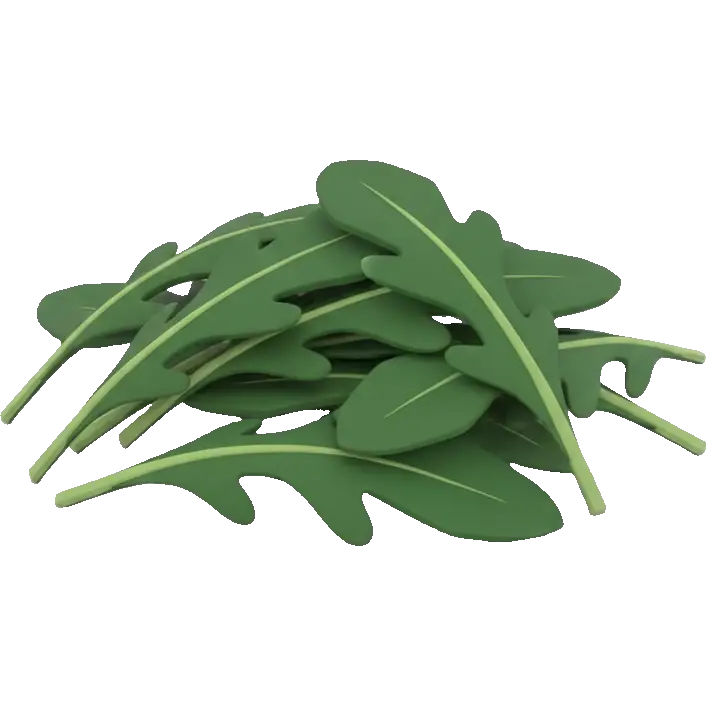
Explore related in Vegetables
Compare similar foods to build a personalized list of swaps that work for your system.






FODMAPs Guide
Everything you need to know about fodmaps sensitivity and smart food choices.
FODMAPs are fermentable carbohydrates that can cause digestive distress in sensitive individuals. They include fructose, lactose, fructans, galactans, and polyols. These sugars are poorly absorbed in the small intestine and ferment in the colon, potentially causing bloating, gas, and discomfort.
Sensitivity varies widely. What triggers one person may be fine for another. Track your reactions to find your personal threshold.

These foods are generally well-tolerated for FODMAPs sensitivity:
View all safe options















These foods are high in fodmaps and may trigger symptoms:
View full list






If you're sensitive to FODMAPs, consider these strategies:
- 1Start with a 2-6 week elimination phase, removing all high-FODMAP foods
- 2Keep a detailed food and symptom diary to track your reactions
- 3Reintroduce one FODMAP group at a time to identify your specific triggers
- 4Remember that threshold varies - you may tolerate small amounts
- 5Work with a dietitian trained in the low-FODMAP diet for best results
Pro tip: Keep a food diary to track your reactions. The Triggerbites app makes this easy with automatic pattern detection.
Want personalized tracking?
Download Triggerbites to log meals, track symptoms, and discover your unique triggers.
Get the AppFAQ
Is onion high in FODMAPs?
FODMAP rating: High FODMAP. High FODMAP: consider smaller servings or swap within the same group.
Can I still eat onion if I'm sensitive to FODMAPs?
Best to avoid or test carefully with a small amount.
What else should I check?
Check Fructans, Low Fermentation, and Low Fermentation next for a fuller picture.