 Back to Ingredient checker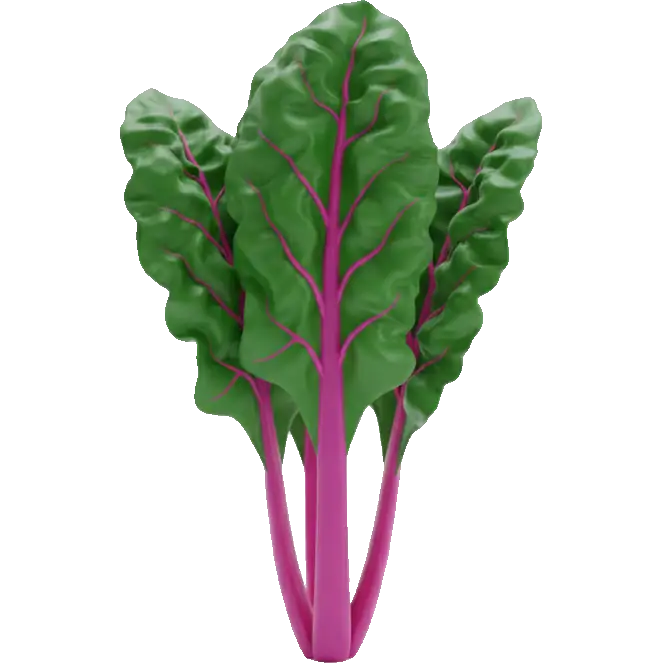
chard
Vegetables
Trigger checker for chard
See chard rated across every trigger — FODMAP, histamine, salicylate, oxalate, tyramine and more — plus diet compatibility, all in one quick ingredient profile.

Related checkers
Compare chard across criteria

Sensitivities
What chard contains
FODMAPs





Histamine & Amines



Plant compounds

Irritants




Additives

Allergens









Diet fit
Where chard fits
Therapeutic diets





Lifestyle diets




Religious diets





What to know about chard
Chard is a beet relative, and like beet and spinach it carries oxalate: it grades moderate here, well below spinach but high enough to matter if you form calcium oxalate kidney stones or follow a low oxalate diet. Everything else about it is unusually clean. It is low FODMAP across every subgroup, carries no histamine flag at all, and grades only mildly on salicylates and nickel.
Watch for
- Moderate oxalate.Not the extreme level spinach reaches, but enough that daily large servings are worth tracking if you have a stone history
- The green leaf blade holds far more oxalate than the pale stalk, so stems only is a genuinely lower oxalate way to eat it
- Mild salicylate and mild nickel content, dose dependent rather than a hard trigger for most people
- Boiling in plenty of water and pouring the water away takes a real share of the soluble oxalate with it.Sauteing and steaming do not


Explore related in Vegetables
Compare similar foods to build a personalized list of swaps that work for your system.


FAQ
What does the FODMAP rating mean for chard?
Low FODMAP: usually easier for most people, still watch portion size.
Is chard generally well tolerated?
Oxalates (Moderate) and Salicylates (Low) Start with those if you react.
What should I check next?
Compare within the Vegetables group.