
artificial sweeteners
Sweeteners
Is artificial sweeteners high in fodmaps?
Is artificial sweeteners high or low in fodmaps? See its exact rating, how much counts as a portion, and its FODMAP, salicylate, oxalate and diet compatibility in one place.
Related checkers
Compare artificial sweeteners across criteria
Sensitivity notes
Why fodmaps food checker matters
FODMAPs are fermentable carbohydrates that can cause digestive distress in sensitive individuals. They include fructose, lactose, fructans, galactans, and polyols. These sugars are poorly absorbed in the small intestine and ferment in the colon, potentially causing bloating, gas, and discomfort.
- Start with a 2-6 week elimination phase, removing all high-FODMAP foods
- Keep a detailed food and symptom diary to track your reactions
- Reintroduce one FODMAP group at a time to identify your specific triggers
- Remember that threshold varies - you may tolerate small amounts
- Work with a dietitian trained in the low-FODMAP diet for best results
Sensitivities
What artificial sweeteners contains
FODMAPs
Histamine & Amines
Plant compounds
Irritants
Additives
Allergens
Diet fit
Where artificial sweeteners fits
Therapeutic diets
Lifestyle diets
Religious diets
What to know about artificial sweeteners
Artificial sweeteners as a category (aspartame, sucralose, saccharin, acesulfame K) carry no histamine, no lactose, no gluten and no salicylate load, so the usual food-chemistry suspects are not the reason they upset people. The gut is. The category rates moderate on FODMAPs and moderate for SIBO, mostly because "sugar-free" products blend these intense sweeteners with sugar alcohols, and it is the sugar alcohol that ferments and pulls water into the bowel. If sugar-free gum, protein bars or diet drinks give you bloating and loose stools, read the label before you blame the sweetener on the front.
Watch for
- Rated moderate on FODMAPs and moderate for SIBO as a category, so sugar-free products are a common source of unexplained bloating and urgency
- The intense sweeteners themselves are not polyols, but they are routinely bulked out with sorbitol, xylitol, maltitol or erythritol, which are, so check the ingredients list rather than the sweetener name
- Graded pro-inflammatory and outside both the DASH and Mediterranean patterns, which is a diet-fit note rather than a sensitivity trigger
- Not permitted on paleo or AIP eating
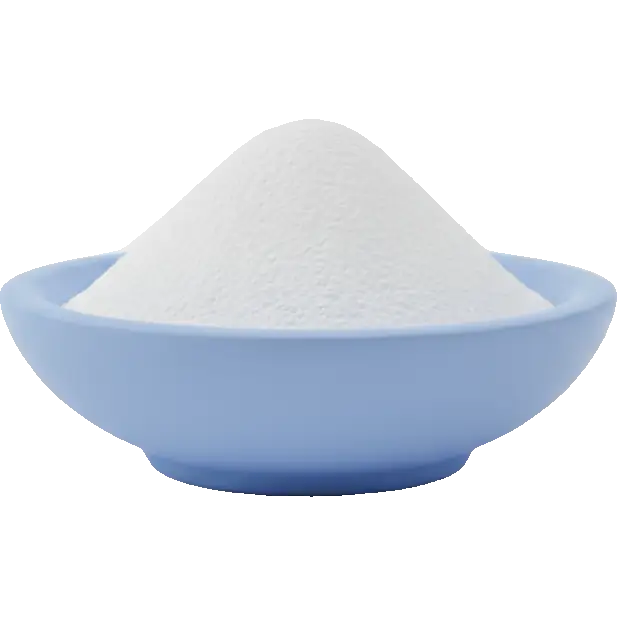
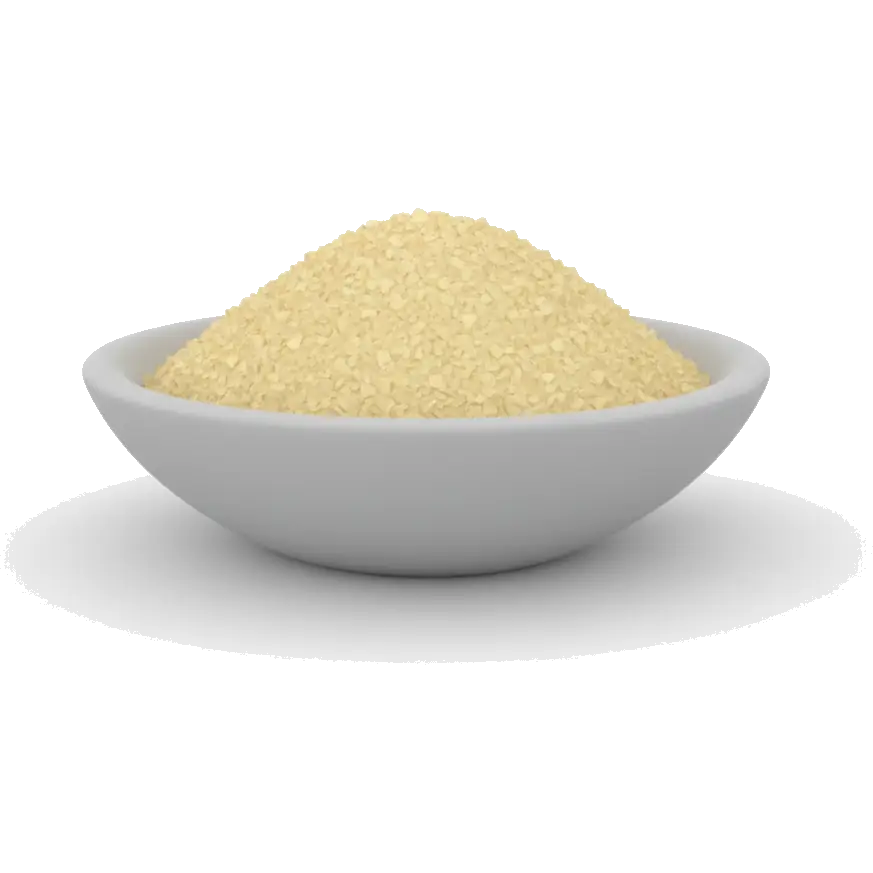


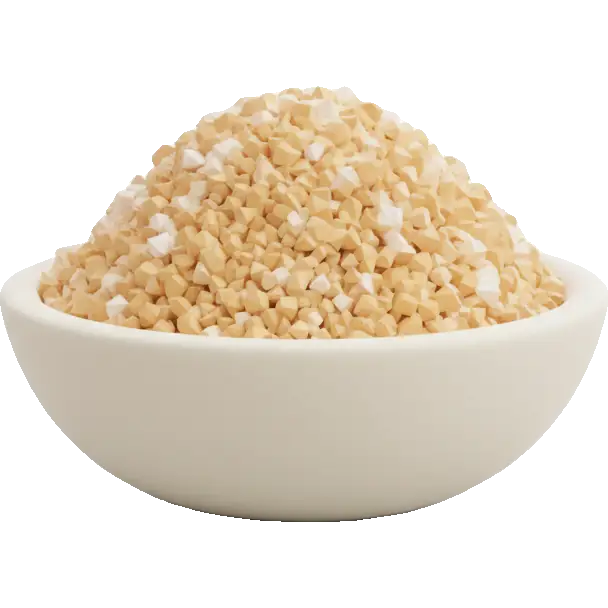



Explore related in Sweeteners
Compare similar foods to build a personalized list of swaps that work for your system.



FODMAPs Guide
Everything you need to know about fodmaps sensitivity and smart food choices.
FODMAPs are fermentable carbohydrates that can cause digestive distress in sensitive individuals. They include fructose, lactose, fructans, galactans, and polyols. These sugars are poorly absorbed in the small intestine and ferment in the colon, potentially causing bloating, gas, and discomfort.
Sensitivity varies widely. What triggers one person may be fine for another. Track your reactions to find your personal threshold.
These foods are generally well-tolerated for FODMAPs sensitivity:
View all safe options












These foods are high in fodmaps and may trigger symptoms:
View full list





If you're sensitive to FODMAPs, consider these strategies:
- 1Start with a 2-6 week elimination phase, removing all high-FODMAP foods
- 2Keep a detailed food and symptom diary to track your reactions
- 3Reintroduce one FODMAP group at a time to identify your specific triggers
- 4Remember that threshold varies - you may tolerate small amounts
- 5Work with a dietitian trained in the low-FODMAP diet for best results
Pro tip: Keep a food diary to track your reactions. The Triggerbites app makes this easy with automatic pattern detection.
Want personalized tracking?
Download Triggerbites to log meals, track symptoms, and discover your unique triggers.
Get the AppFAQ
Is artificial sweeteners high in FODMAPs?
FODMAP rating: Medium FODMAP. Medium FODMAP: portion size matters more than the ingredient itself.
Can I still eat artificial sweeteners if I'm sensitive to FODMAPs?
Try smaller portions and space it out.
What else should I check?
Check Lectin, Inflammation, and AIP next for a fuller picture.