 Back to Dairy Proteins food checker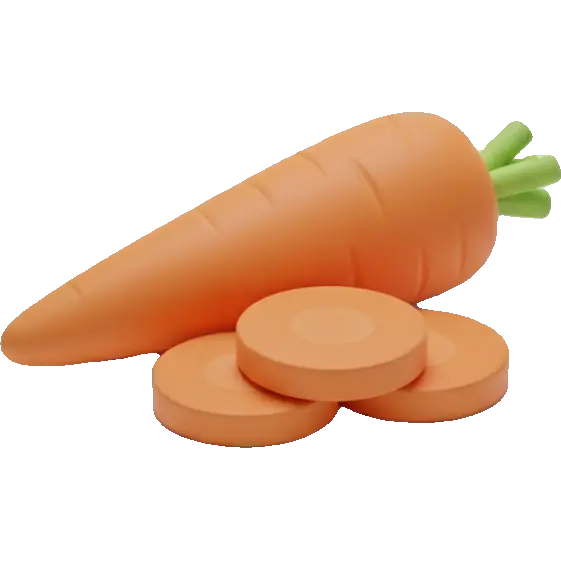
carrot root
Vegetables
Is carrot root high in dairy proteins?
Is carrot root high or low in dairy proteins? See its exact rating, how much counts as a portion, and its FODMAP, salicylate, oxalate and diet compatibility in one place.

Related checkers
Compare carrot root across criteria

Sensitivity notes
Why dairy proteins food checker matters
Dairy proteins (casein and whey) can cause reactions in people with milk protein allergy or intolerance. This is different from lactose intolerance and can cause both digestive and systemic symptoms.
- Dairy protein allergy requires complete dairy avoidance
- Casein and whey are the main proteins to avoid
- 'Non-dairy' products may still contain casein
- Ghee may be tolerated as proteins are removed
- This is different from lactose intolerance - treatment differs

Sensitivities
What carrot root contains
FODMAPs







Histamine & Amines



Plant compounds




Irritants




Additives



Allergens
















Diet fit
Where carrot root fits
Therapeutic diets










Lifestyle diets









Religious diets






What to know about carrot root
The carrot root is about as clean as a vegetable gets in this database. It grades low FODMAP across every subgroup, low histamine with no liberator effect, low salicylate, low oxalate, low lectin, no nickel, no free glutamate, no nightshade, and it suits low-fermentation and SIBO plans. That makes it one of the safest things to keep on the plate during an elimination trial. The one genuine caveat is not a food chemical at all: raw carrot makes some birch pollen allergy sufferers itch.
Watch for
- Raw carrot is a classic oral allergy syndrome food for people with birch pollen allergy.Itchy mouth, tingling lips or a scratchy throat within minutes of a raw carrot stick is the pattern, and it typically disappears when the carrot is cooked because heat breaks down the protein involved
- Only a mild anti-inflammatory rating rather than a strong one, so treat carrot as a safe base vegetable rather than an anti-inflammatory feature
- Format changes the picture.Carrot juice concentrates the sugars and drops the fibre, so it rates worse for FODMAPs and for low-fermentation diets than the root you chew




Explore related in Vegetables
Compare similar foods to build a personalized list of swaps that work for your system.



Dairy Proteins Guide
Everything you need to know about dairy proteins sensitivity and smart food choices.
Dairy proteins (casein and whey) can cause reactions in people with milk protein allergy or intolerance. This is different from lactose intolerance and can cause both digestive and systemic symptoms.
Sensitivity varies widely. What triggers one person may be fine for another. Track your reactions to find your personal threshold.

These foods are generally well-tolerated for Dairy Proteins sensitivity:
View all safe options







These foods have moderate levels and may be tolerated in small amounts:




These foods are high in dairy proteins and may trigger symptoms:
View full list




If you're sensitive to Dairy Proteins, consider these strategies:
- 1Dairy protein allergy requires complete dairy avoidance
- 2Casein and whey are the main proteins to avoid
- 3'Non-dairy' products may still contain casein
- 4Ghee may be tolerated as proteins are removed
- 5This is different from lactose intolerance - treatment differs
Pro tip: Keep a food diary to track your reactions. The Triggerbites app makes this easy with automatic pattern detection.
Want personalized tracking?
Download Triggerbites to log meals, track symptoms, and discover your unique triggers.
Get the AppFAQ
Is carrot root high in Dairy Proteins?
Dairy Proteins: low signal for most people.
Can I still eat carrot root if I'm sensitive to Dairy Proteins?
Usually fine in normal portions.
What else should I check?
Check Jain, Keto, and Low Fibre next for a fuller picture.