
sugar apple
Fruit
Is sugar apple inflammation-compatible?
See whether sugar apple fits an inflammation diet, with a clear compatible-or-avoid verdict plus its FODMAP, histamine and other trigger ratings in one place.
Related checkers
Compare sugar apple across criteria
Sensitivity notes
Why inflammation diet checker matters
An anti-inflammatory diet focuses on foods that help reduce chronic inflammation in the body. It emphasizes fruits, vegetables, fatty fish, nuts, and whole grains while limiting processed foods, refined sugars, and certain oils.
- Focus on omega-3 rich foods like fatty fish, walnuts, and flaxseed
- Colorful fruits and vegetables provide anti-inflammatory antioxidants
- Extra virgin olive oil is a cornerstone of anti-inflammatory eating
- Limit refined sugars, processed foods, and industrial seed oils
- Turmeric and ginger are powerful anti-inflammatory spices
Sensitivities
What sugar apple contains
FODMAPs
Histamine & Amines
Plant compounds
Irritants
Additives
Allergens
Diet fit
Where sugar apple fits
Therapeutic diets
Lifestyle diets
Religious diets
What to know about sugar apple
Sugar apple (Annona squamosa) is the knobbly green fruit that pulls apart into soft, creamy, intensely sweet segments, and the way you eat it turns out to matter more than most trigger questions about it. Each segment wraps a single hard black seed, so eating one is a slow spit-the-seed process rather than a bite of fruit, and that naturally paces the portion. That is useful, because the FODMAP grades are high: D for total FODMAPs, D for excess fructose and C for polyols, with a D for low-fermentation SIBO protocols. Those are a step gentler than cherimoya across the board but still firmly in trigger territory for anyone with IBS or fructose malabsorption, and the fruit is one of the most sugar-dense things you can pick up in a tropical market. Everywhere else it is calm: A for histamine, gluten, lactose, glutamates, sulfites and nightshades, with only mild B grades for salicylates, oxalates and nickel. The seeds are the hard rule. They are not edible, they concentrate the same annonaceous acetogenins studied for neurotoxicity across the Annona genus, and they must never be chewed, crushed or blended into a smoothie.
Watch for
- D for total FODMAPs and D for excess fructose: the sugar load is genuinely dense, and fructose malabsorbers tend to notice a full fruit long before they notice one or two segments
- C for polyols, a second and separate gut mechanism that stacks on top of the fructose rather than replacing it
- D for low-fermentation SIBO protocols, so this is not a fruit for the strict phase of a SIBO diet
- Never blend a sugar apple whole.The seeds are toxic, and a blender or juicer is exactly what turns an inert swallowed seed into a real exposure. Scoop, eat, spit
- Ripeness changes everything about the experience: underripe sugar apple is chalky and astringent, overripe turns fermented and sour, and neither state tells you anything reliable about how your gut will respond

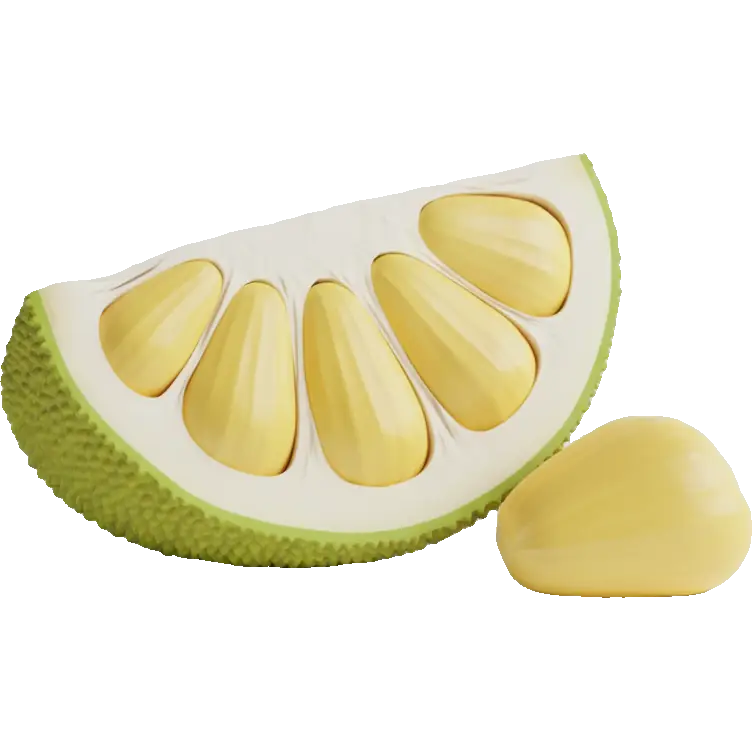






Explore related in Fruit
Compare similar foods to build a personalized list of swaps that work for your system.



Inflammation Guide
Everything you need to know about inflammation compatibility and smart food choices.
An anti-inflammatory diet focuses on foods that help reduce chronic inflammation in the body. It emphasizes fruits, vegetables, fatty fish, nuts, and whole grains while limiting processed foods, refined sugars, and certain oils.
These foods are typically compatible with a Inflammation approach:
View all safe options




Practical guidance for following a Inflammation diet:
- 1Focus on omega-3 rich foods like fatty fish, walnuts, and flaxseed
- 2Colorful fruits and vegetables provide anti-inflammatory antioxidants
- 3Extra virgin olive oil is a cornerstone of anti-inflammatory eating
- 4Limit refined sugars, processed foods, and industrial seed oils
- 5Turmeric and ginger are powerful anti-inflammatory spices
Pro tip: Keep a food diary to track your reactions. The Triggerbites app makes this easy with automatic pattern detection.
Want personalized tracking?
Download Triggerbites to log meals, track symptoms, and discover your unique triggers.
Get the AppFAQ
Does sugar apple fit an inflammation diet?
Inflammation: fits well for most plans.
What if I eat it occasionally?
Still check preparation and add-ins.
What are safer swaps?
Compare within the Fruit group.