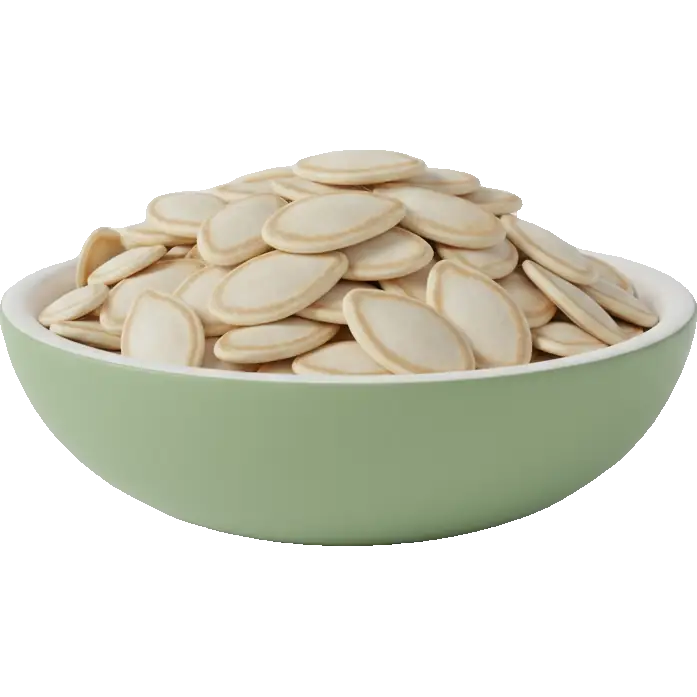
squash seeds
Nuts & Seeds
Is squash seeds inflammation-compatible?
See whether squash seeds fits an inflammation diet, with a clear compatible-or-avoid verdict plus its FODMAP, histamine and other trigger ratings in one place.
Related checkers
Compare squash seeds across criteria
Sensitivity notes
Why inflammation diet checker matters
An anti-inflammatory diet focuses on foods that help reduce chronic inflammation in the body. It emphasizes fruits, vegetables, fatty fish, nuts, and whole grains while limiting processed foods, refined sugars, and certain oils.
- Focus on omega-3 rich foods like fatty fish, walnuts, and flaxseed
- Colorful fruits and vegetables provide anti-inflammatory antioxidants
- Extra virgin olive oil is a cornerstone of anti-inflammatory eating
- Limit refined sugars, processed foods, and industrial seed oils
- Turmeric and ginger are powerful anti-inflammatory spices
Sensitivities
What squash seeds contains
FODMAPs
Histamine & Amines
Plant compounds
Irritants
Additives
Allergens
Diet fit
Where squash seeds fits
Therapeutic diets
Lifestyle diets
Religious diets
What to know about squash seeds
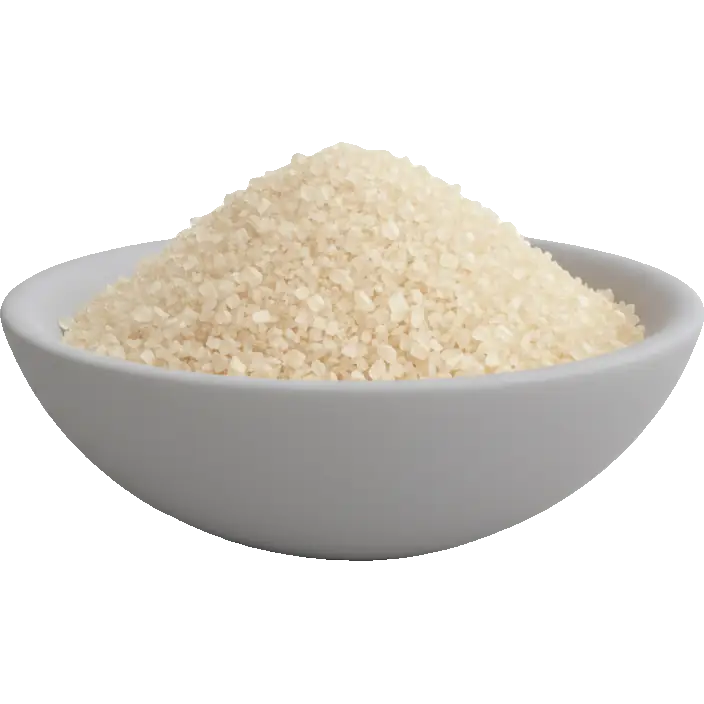
Squash seeds are what you scoop out of a butternut, acorn, kabocha, delicata or spaghetti squash and roast instead of binning. They are clean where it counts for most sensitive eaters: no histamine, no histamine release, no gluten, no lactose, no dairy protein, no sulfites, no nitrites, no free glutamate, no caffeine and no tyramine, and they do not feed bacterial fermentation. Two things do deserve attention. They carry a borderline nickel flag, which matters on a low-nickel diet because seeds sit near the top of the nickel table, and they are graded high for lectins. There is also a gap worth naming: a pumpkin is a winter squash, and pumpkin seeds are a well known high-oxalate food, so treat squash seeds as likely similar rather than assume the missing oxalate rating means low.
Watch for
- Borderline for nickel.Seeds and nuts are among the most nickel-dense foods in the diet, and a systemic nickel allergy protocol usually restricts them. If you get pompholyx-type hand eczema or flares without an obvious food cause, a handful of roasted seeds most evenings is worth logging
- Graded high for lectins.Dry roasting in the oven is gentler than boiling and does not deactivate seed lectins as thoroughly as wet heat does, so if lectins are your identified issue, well-roasted is better than lightly toasted and small portions are better than a bowl
- We have no oxalate rating for squash seeds, but pumpkin seeds, which are botanically the same thing from a different cultivar of squash, are documented as high oxalate.If you form calcium oxalate kidney stones, the safe reading of an unrated grade here is caution, not clearance
- The seasoning is often the trigger, not the seed.Packaged and restaurant roasted seeds pick up salt, oil, spice blends and sometimes wheat-containing or glutamate-heavy seasonings. Our grades describe the plain roasted seed only
- Portion sneaks up.Whole unhulled seeds are dense in fat and insoluble fibre, and a large handful eaten straight off the tray can produce cramping and heaviness that has nothing to do with a food chemical sensitivity



Explore related in Nuts & Seeds
Compare similar foods to build a personalized list of swaps that work for your system.
Inflammation Guide
Everything you need to know about inflammation compatibility and smart food choices.
An anti-inflammatory diet focuses on foods that help reduce chronic inflammation in the body. It emphasizes fruits, vegetables, fatty fish, nuts, and whole grains while limiting processed foods, refined sugars, and certain oils.
These foods are typically compatible with a Inflammation approach:
View all safe options






Practical guidance for following a Inflammation diet:
- 1Focus on omega-3 rich foods like fatty fish, walnuts, and flaxseed
- 2Colorful fruits and vegetables provide anti-inflammatory antioxidants
- 3Extra virgin olive oil is a cornerstone of anti-inflammatory eating
- 4Limit refined sugars, processed foods, and industrial seed oils
- 5Turmeric and ginger are powerful anti-inflammatory spices
Pro tip: Keep a food diary to track your reactions. The Triggerbites app makes this easy with automatic pattern detection.
Want personalized tracking?
Download Triggerbites to log meals, track symptoms, and discover your unique triggers.
Get the AppFAQ
Does squash seeds fit an inflammation diet?
Inflammation: fits well for most plans.
What if I eat it occasionally?
Still check preparation and add-ins.
What are safer swaps?
Compare within the Nuts & Seeds group.