High-oxalate foods: the complete list
A natural plant compound found in some surprisingly healthy foods - here's the full list, and what oxalate actually does.
Oxalate is one of those food compounds that surprises people - because the foods highest in it are often the ones you'd think of as healthiest. Spinach. Almonds. Beans. Sweet potato.
If oxalate is something you're tracking, a clear list helps. Below is the complete one, with a plain explanation of what oxalate is and why it matters.
What oxalates are
Oxalates (oxalic acid) are natural compounds made by many plants. On their own they're not dramatic - the thing that makes them matter is what they do in the body: oxalate binds to calcium.1
When oxalate and calcium meet in the urine and levels are high, they can form hard crystals - and calcium-oxalate crystals are the most common type of kidney stone.12 The amount of oxalate the body absorbs from food, and then excretes in urine, is a genuine factor in that process - which is why dietary oxalate gets attention, particularly for anyone prone to stones.
A useful related fact: calcium eaten in the same meal as oxalate binds to it in the gut, so less oxalate is absorbed. In the digestive tract, that pairing reduces oxalate uptake.3
The high-oxalate foods
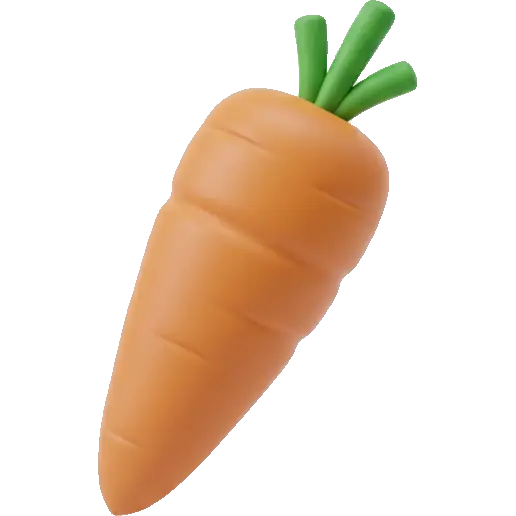
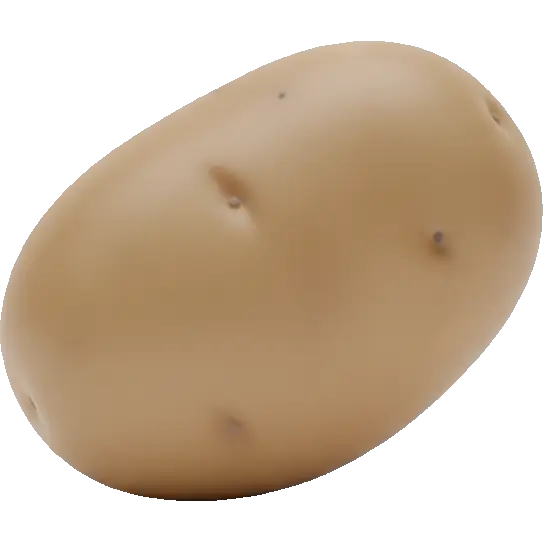
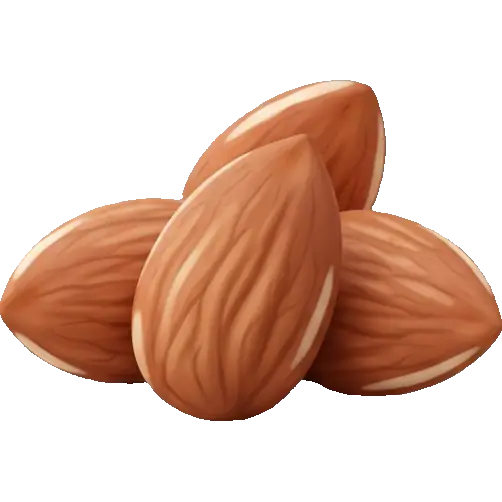
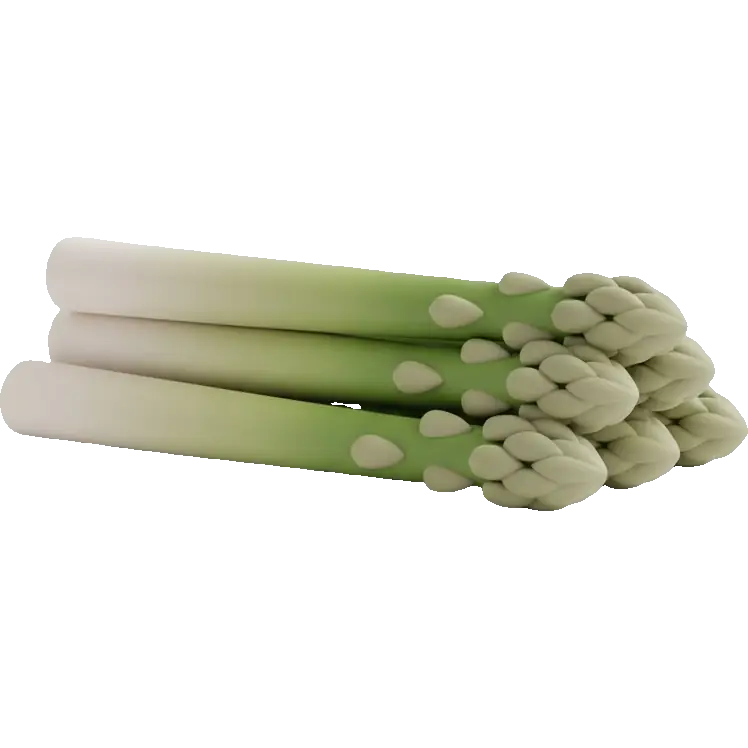
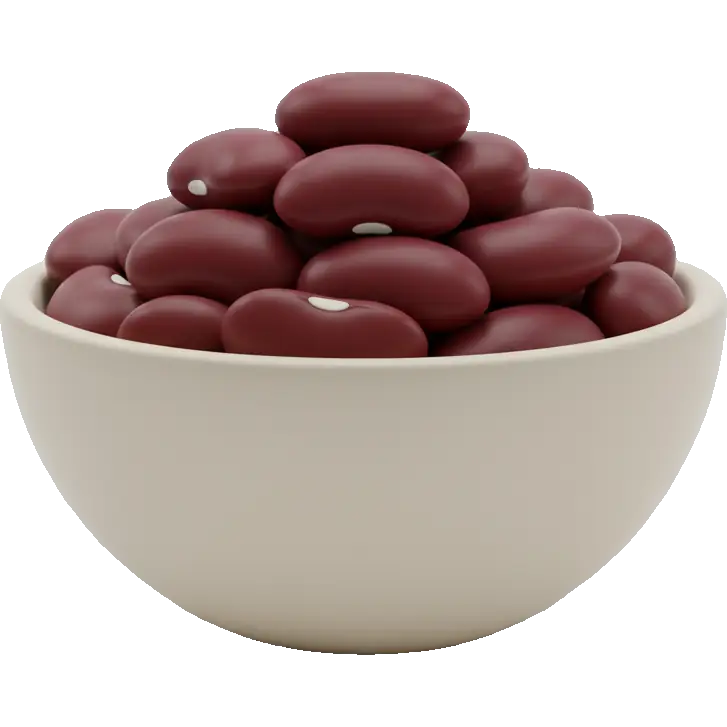
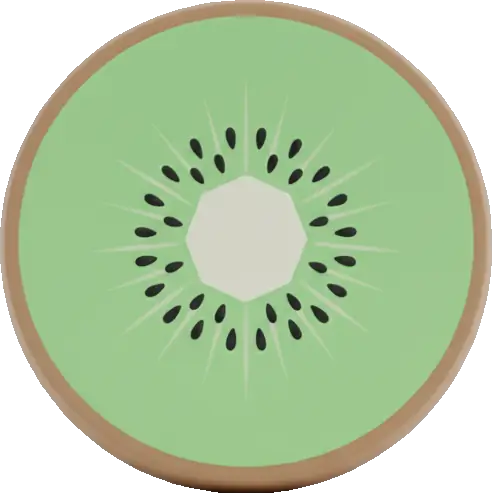
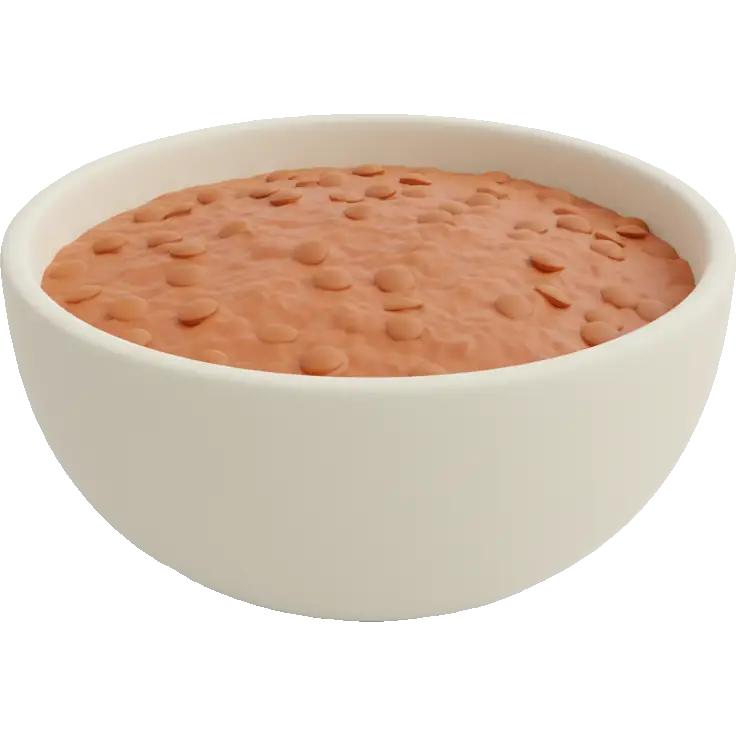
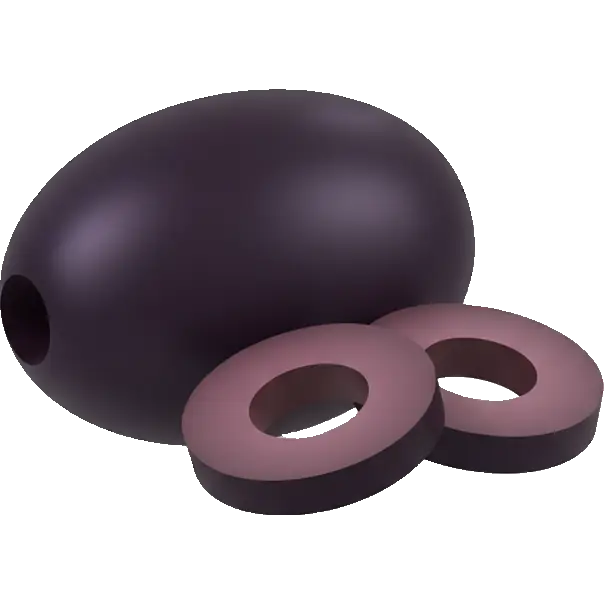
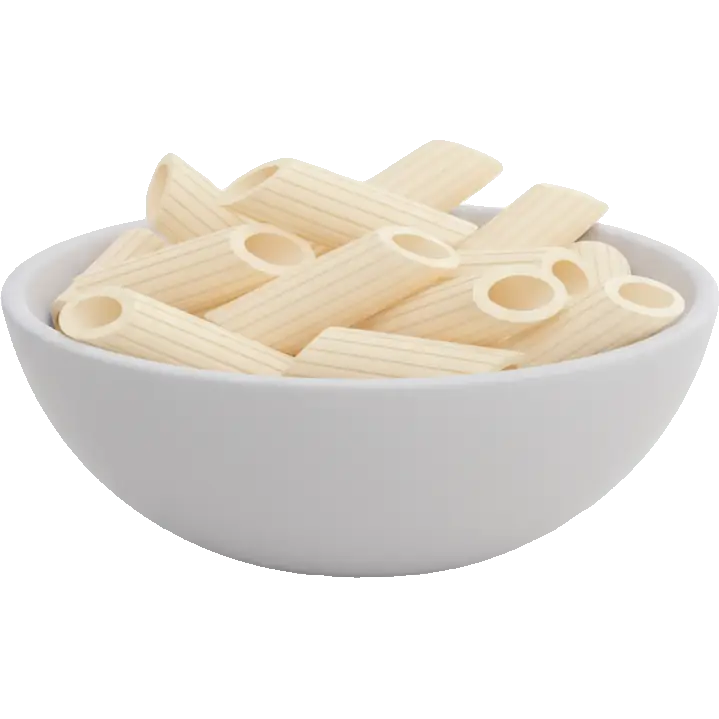
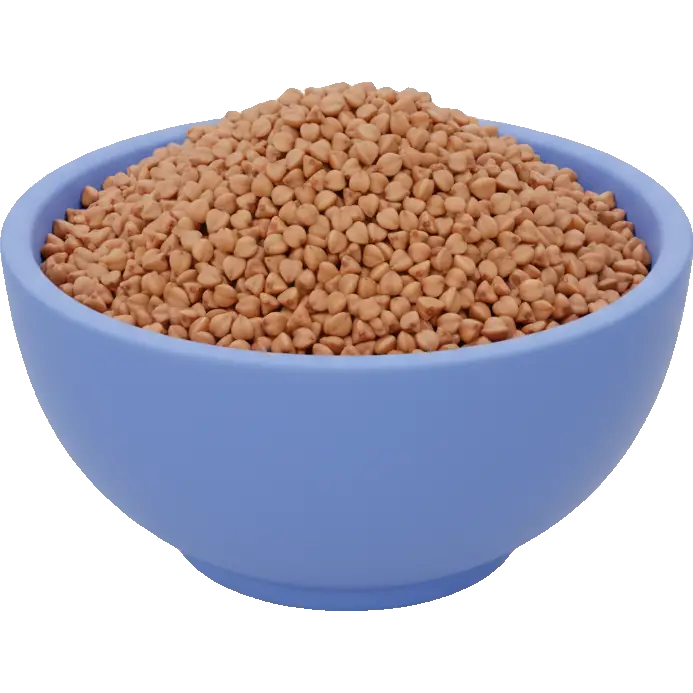
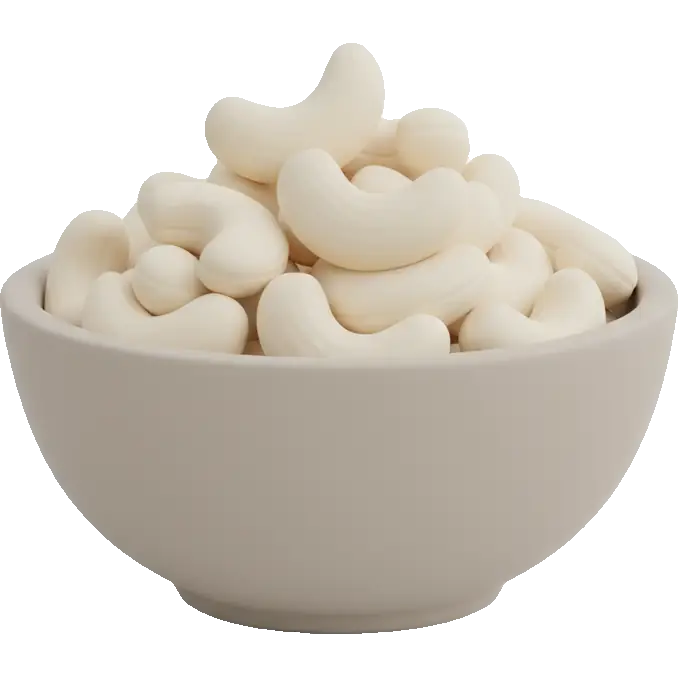
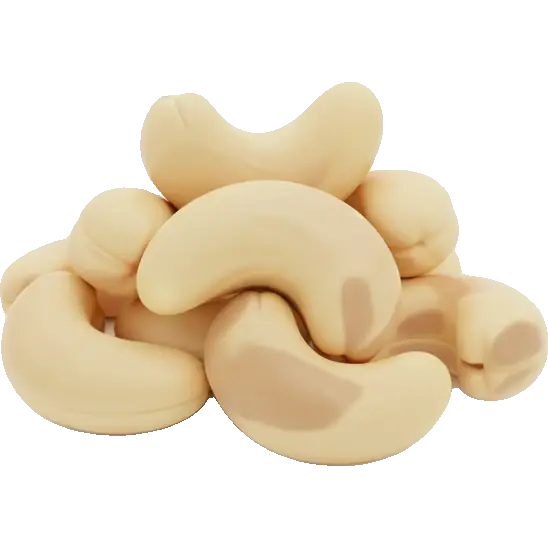
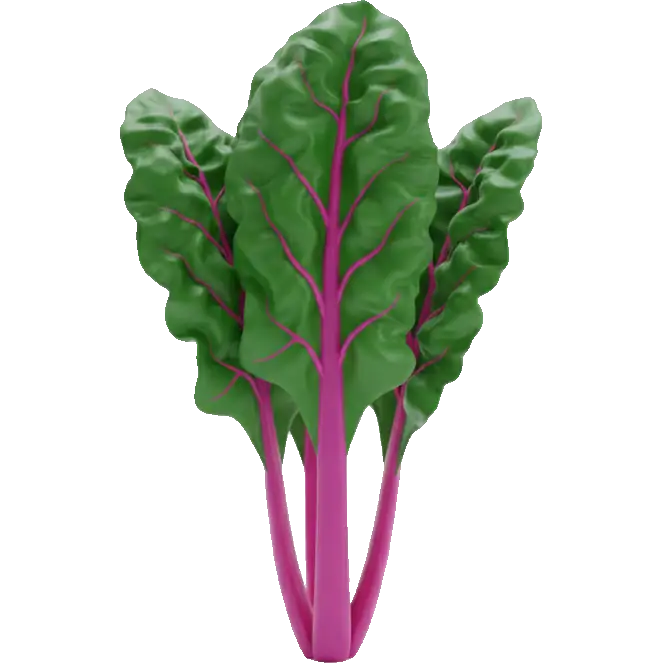
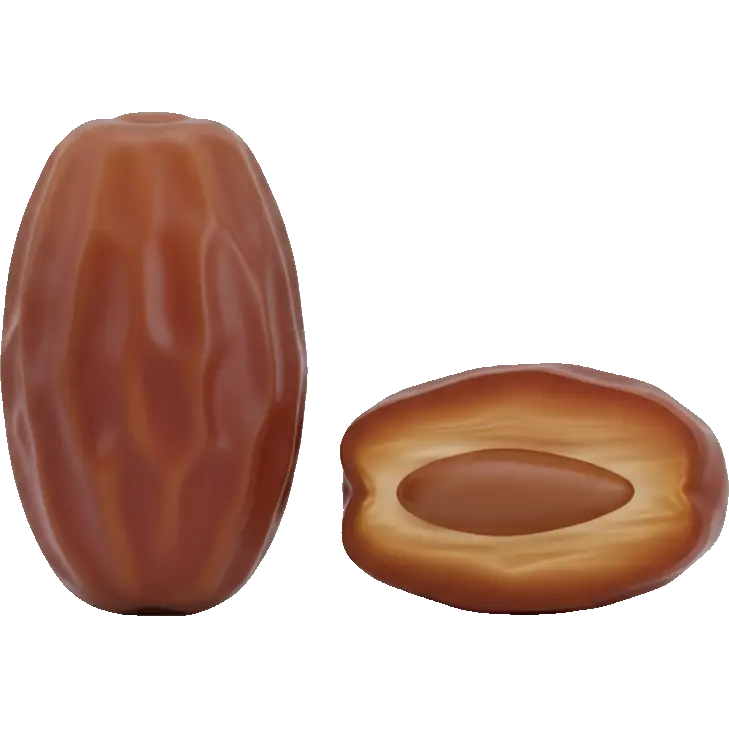
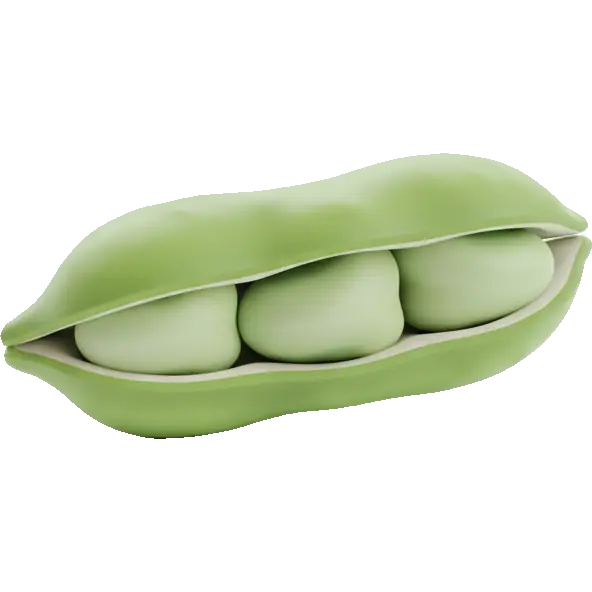
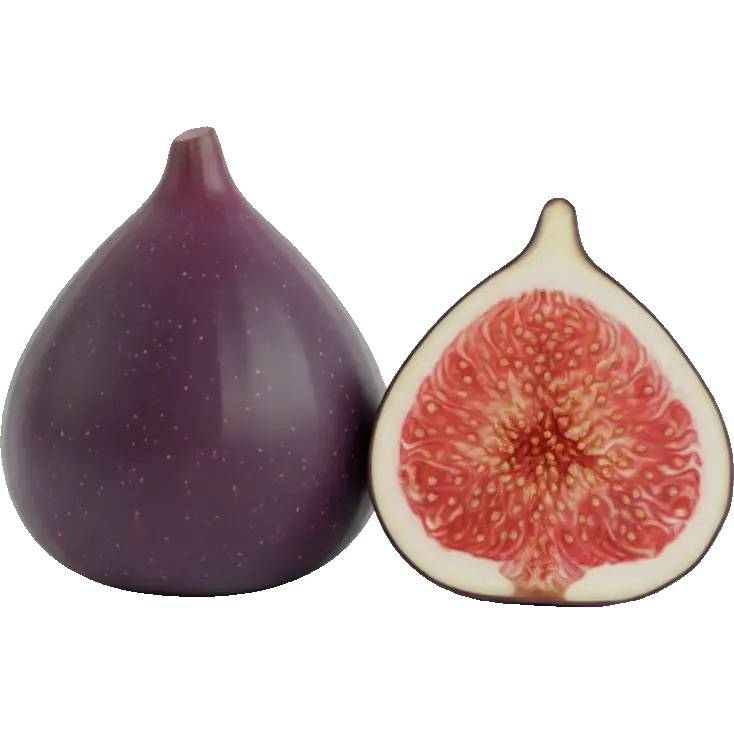
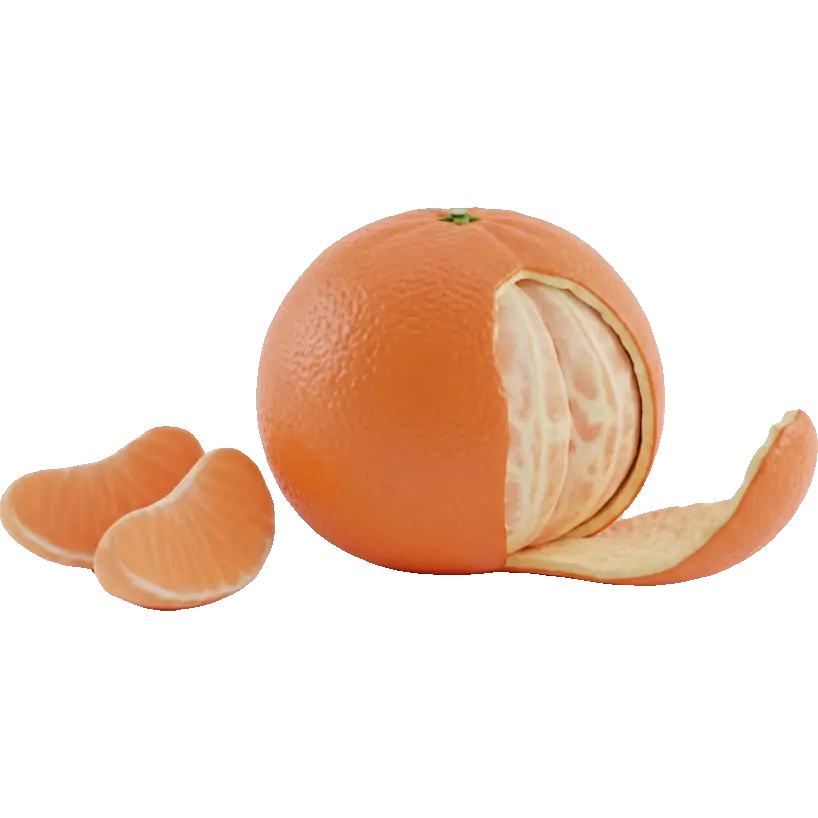
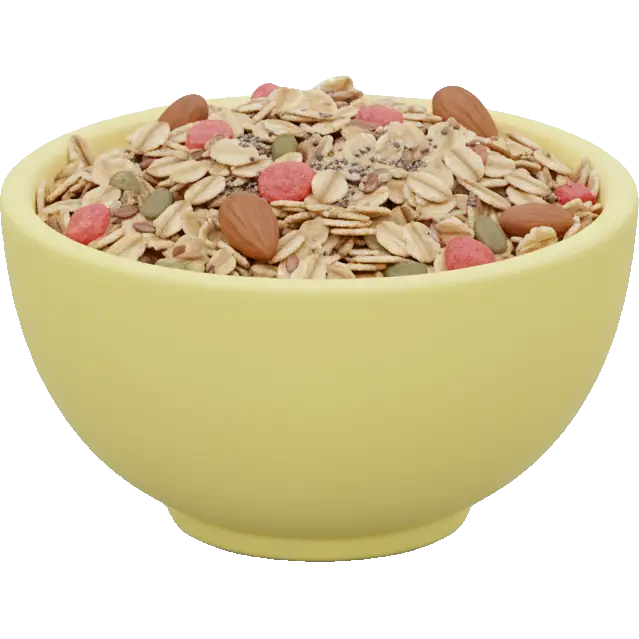
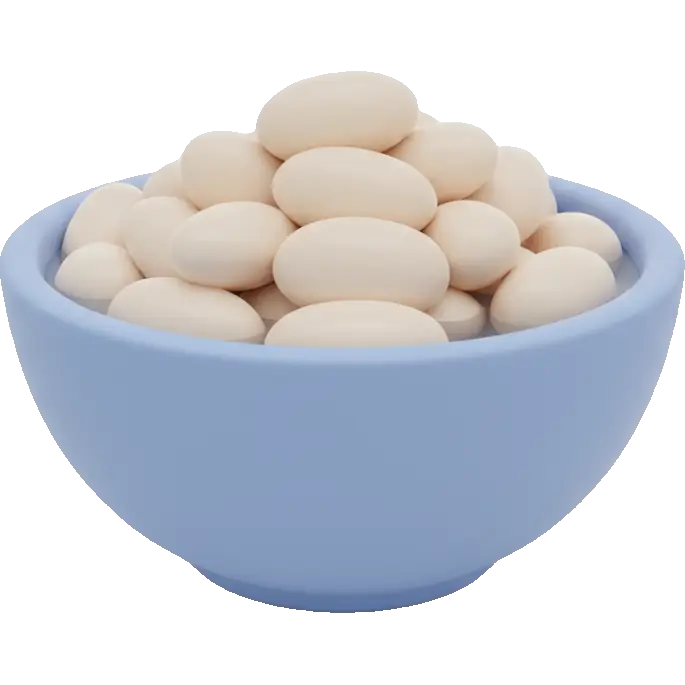
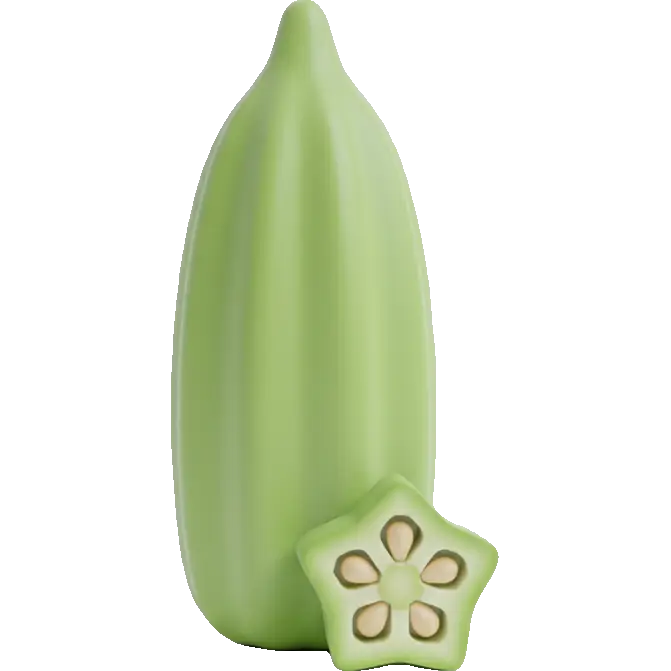
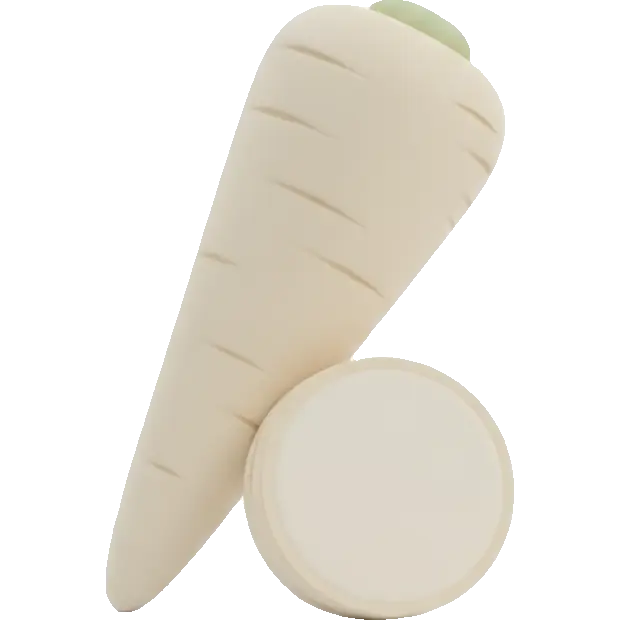
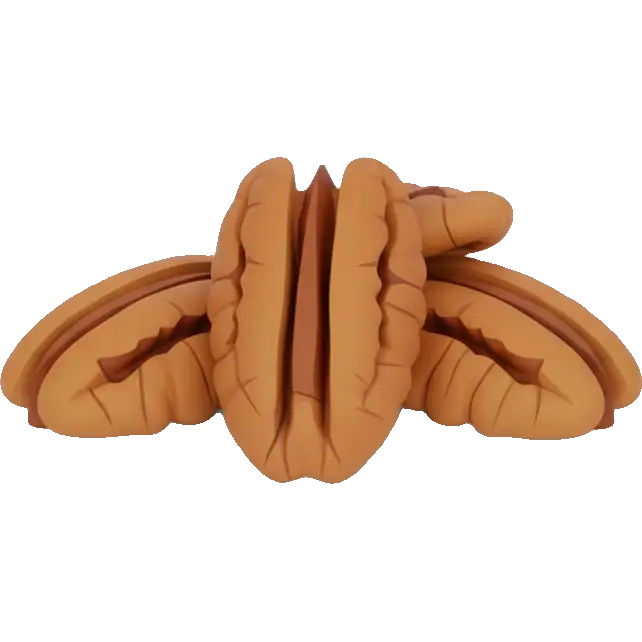
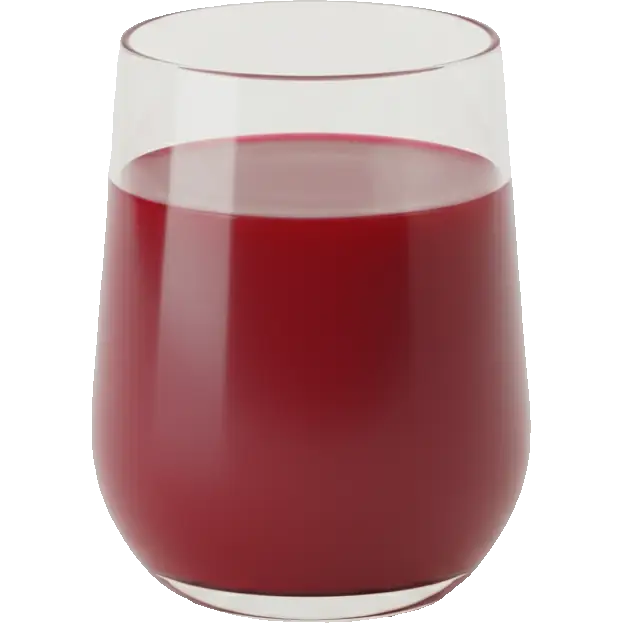
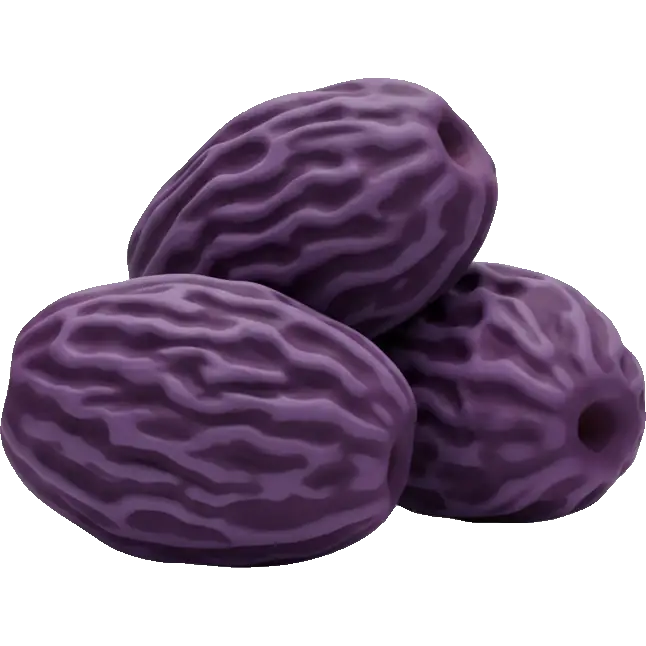
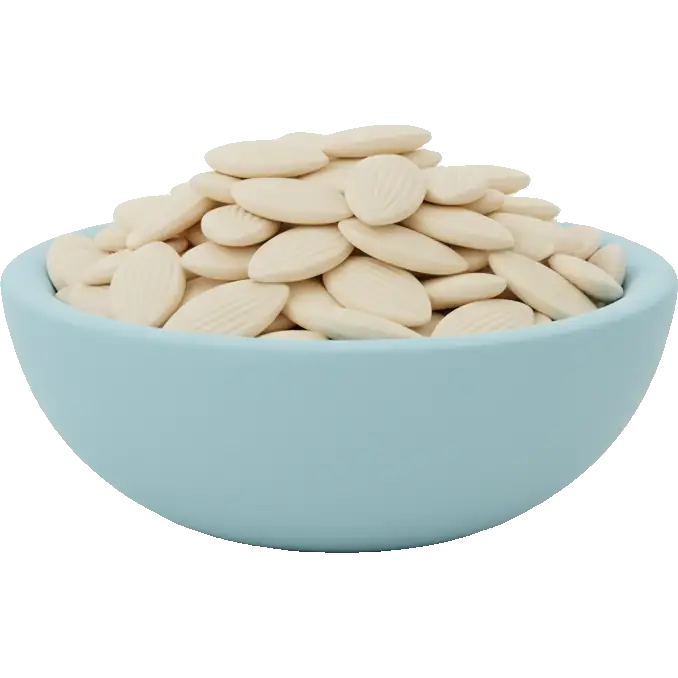
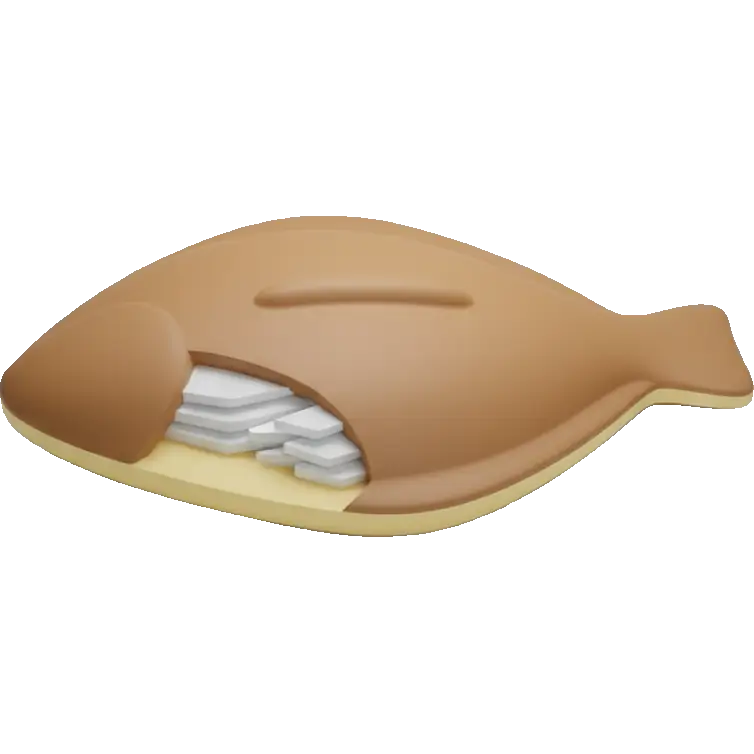
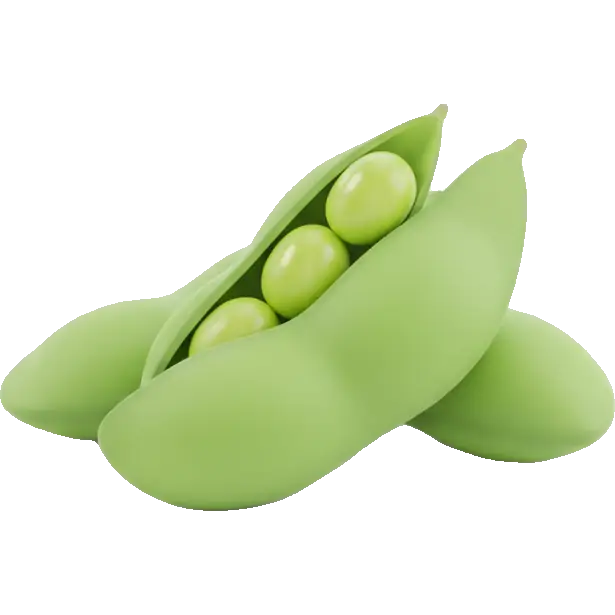
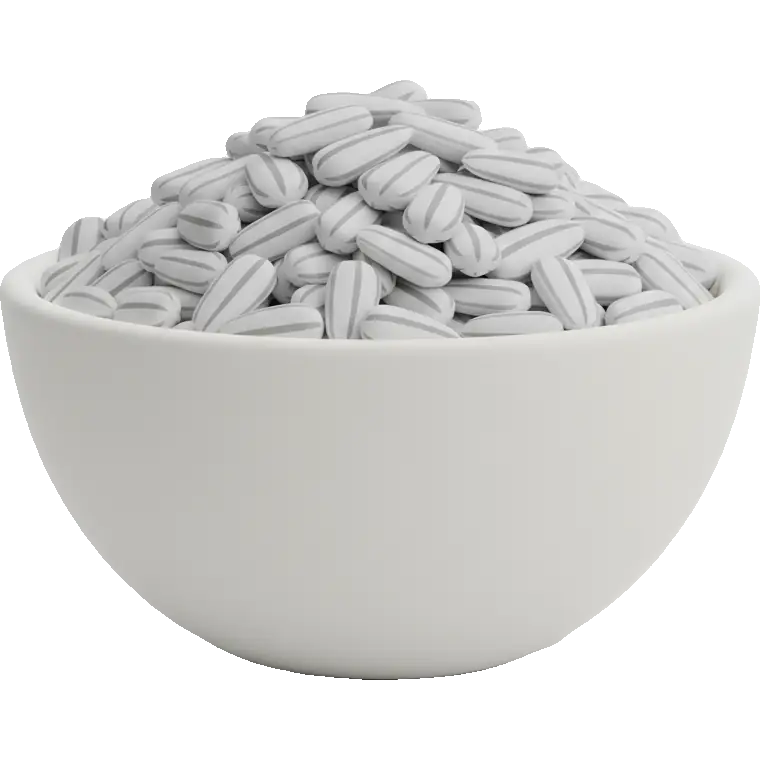
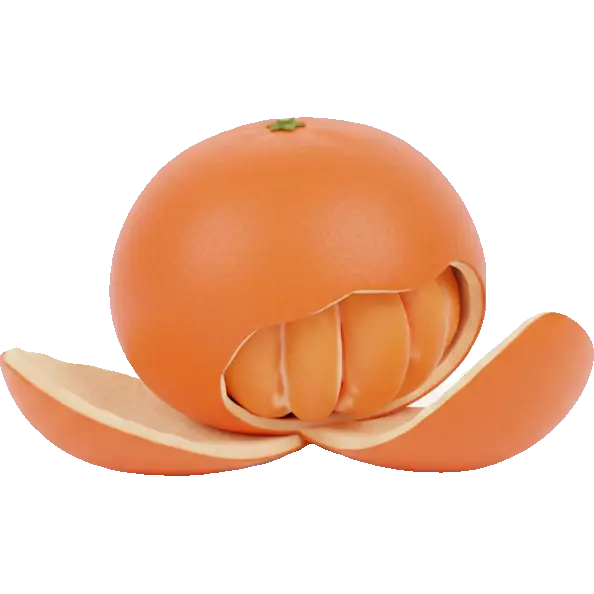
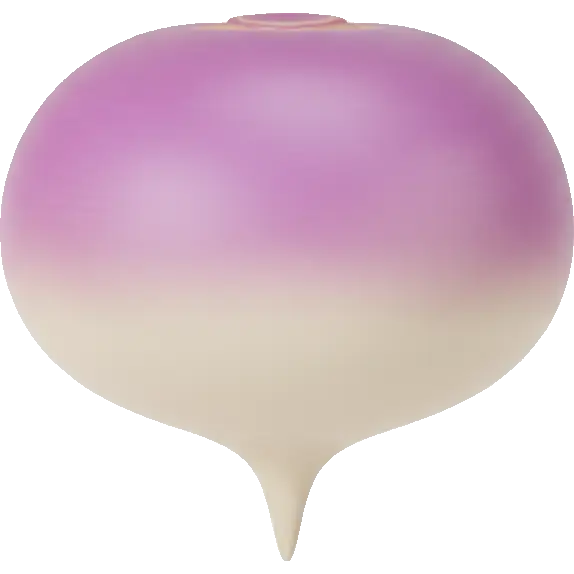
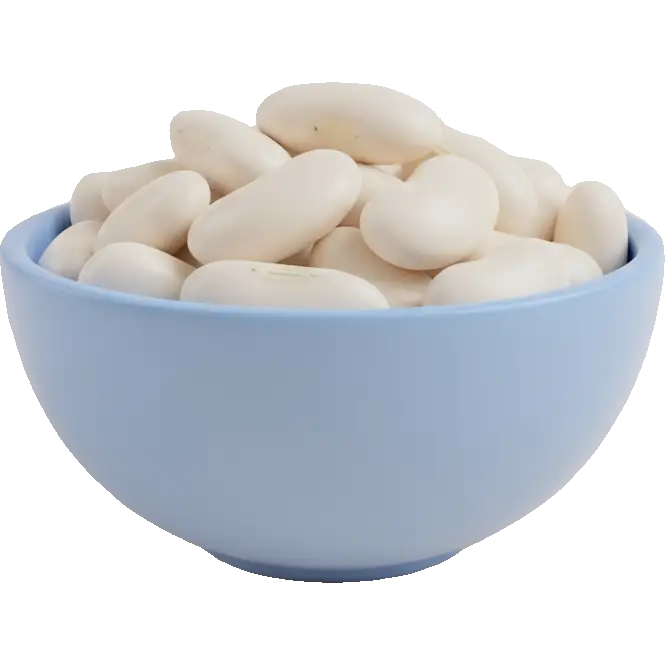
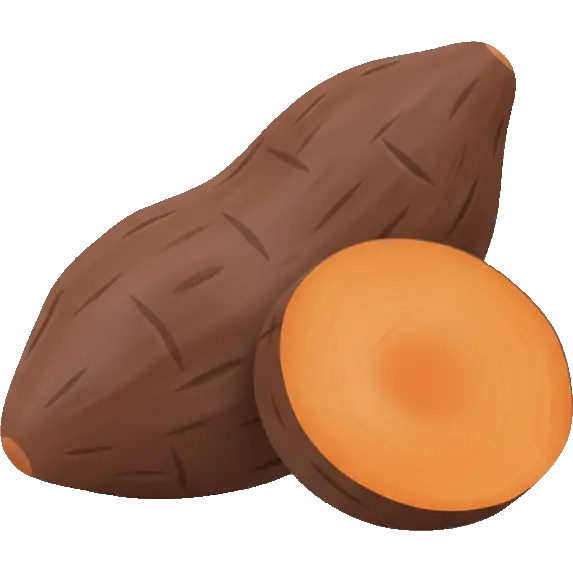
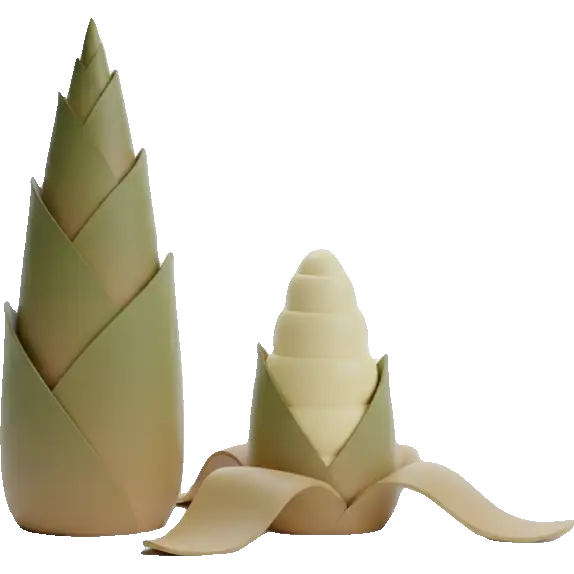
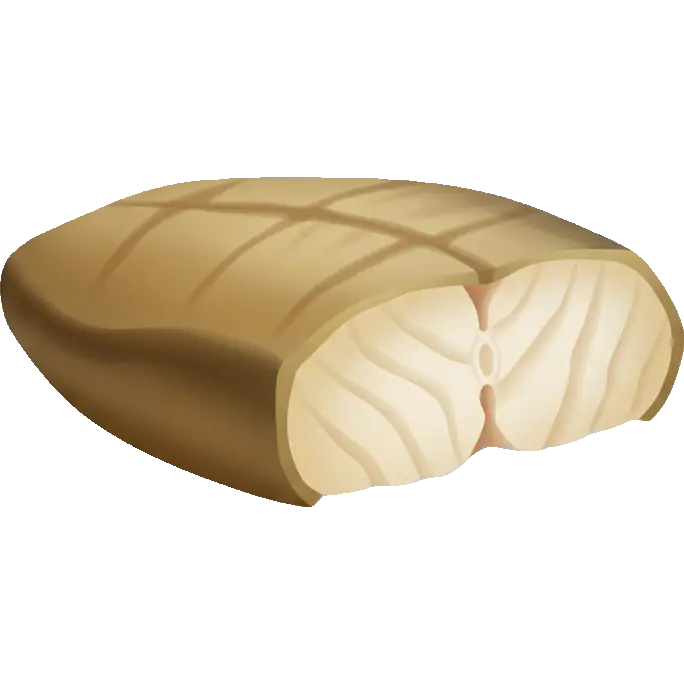
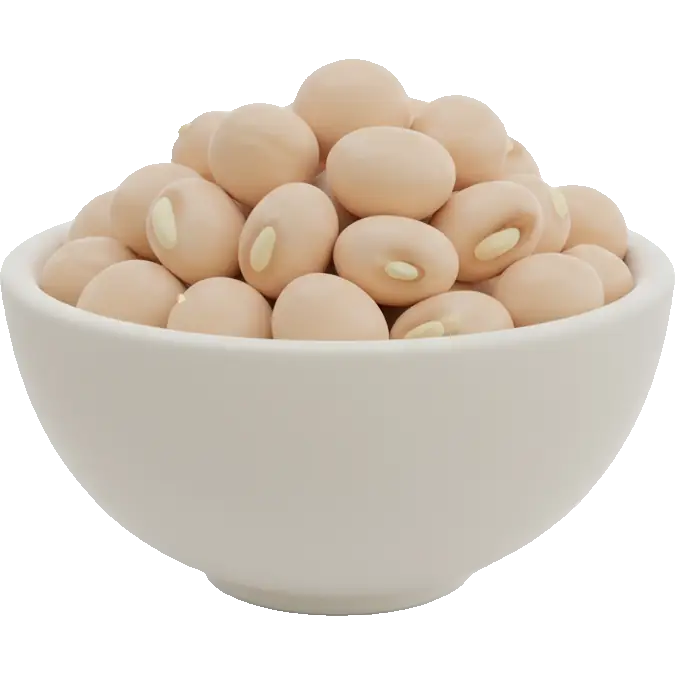
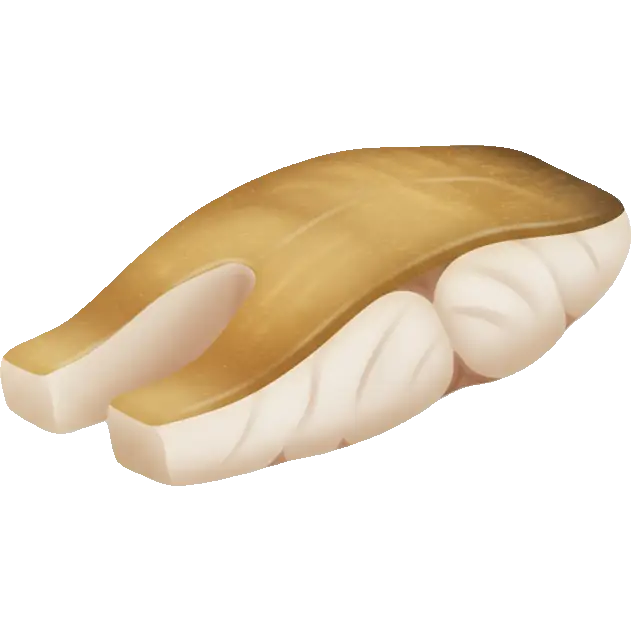
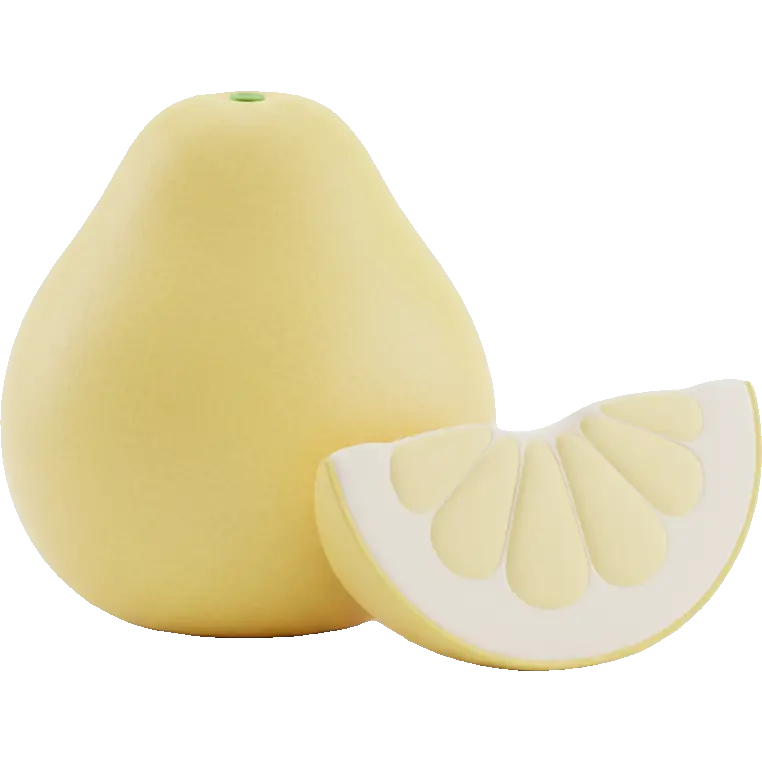
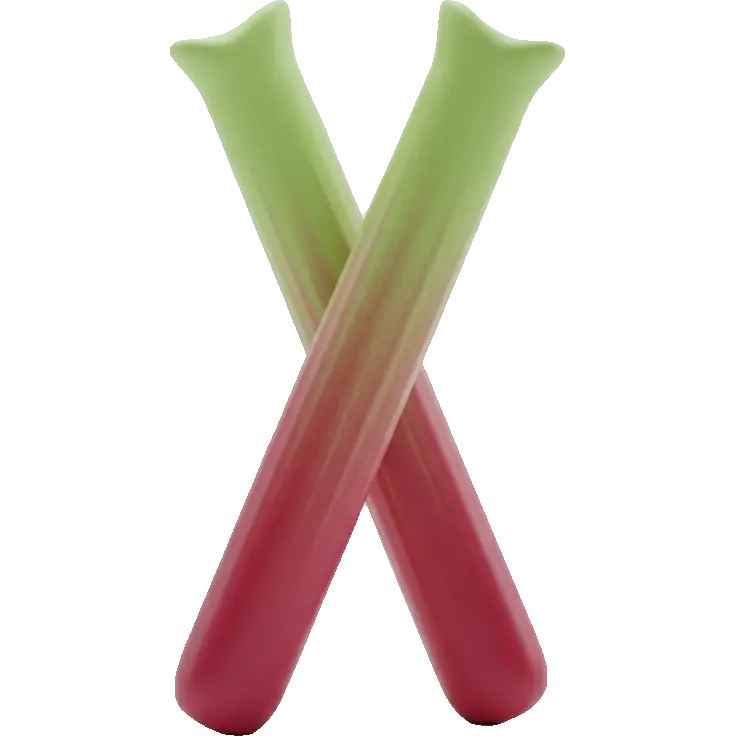
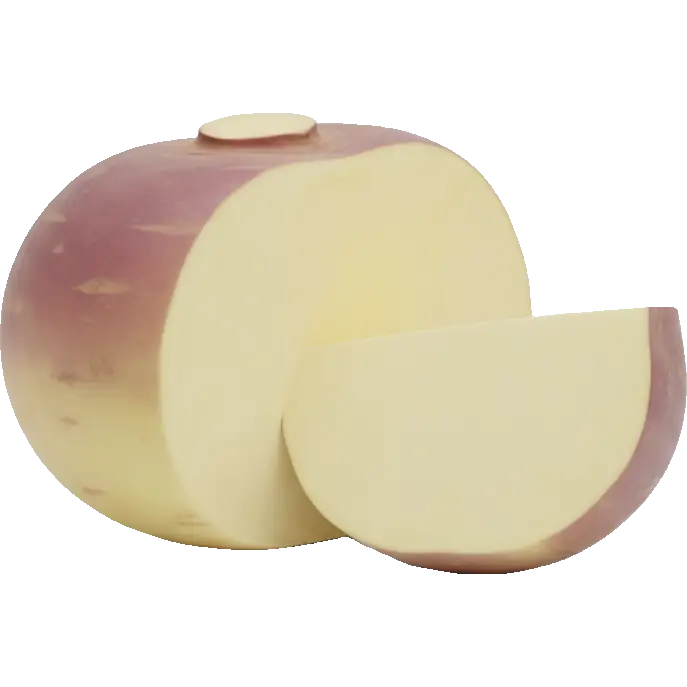
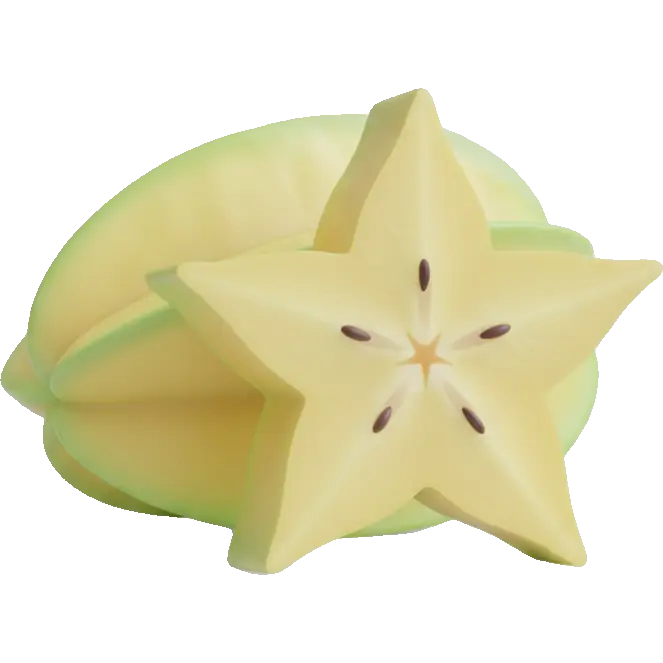
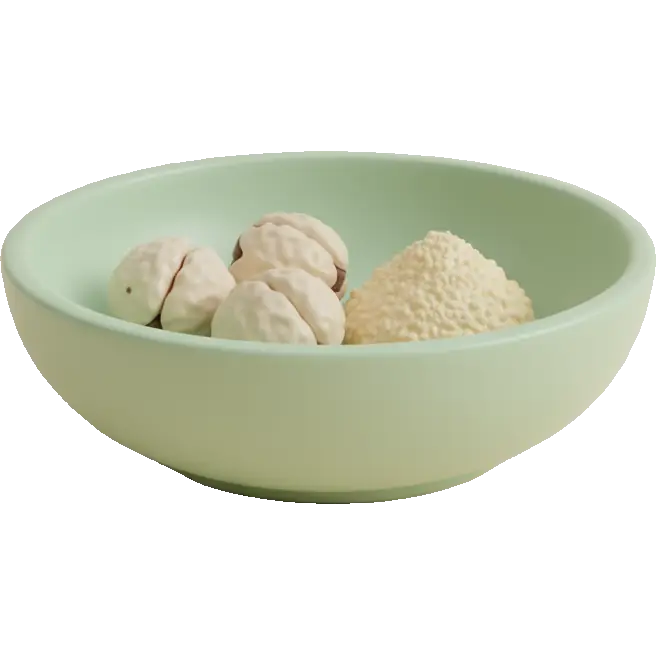
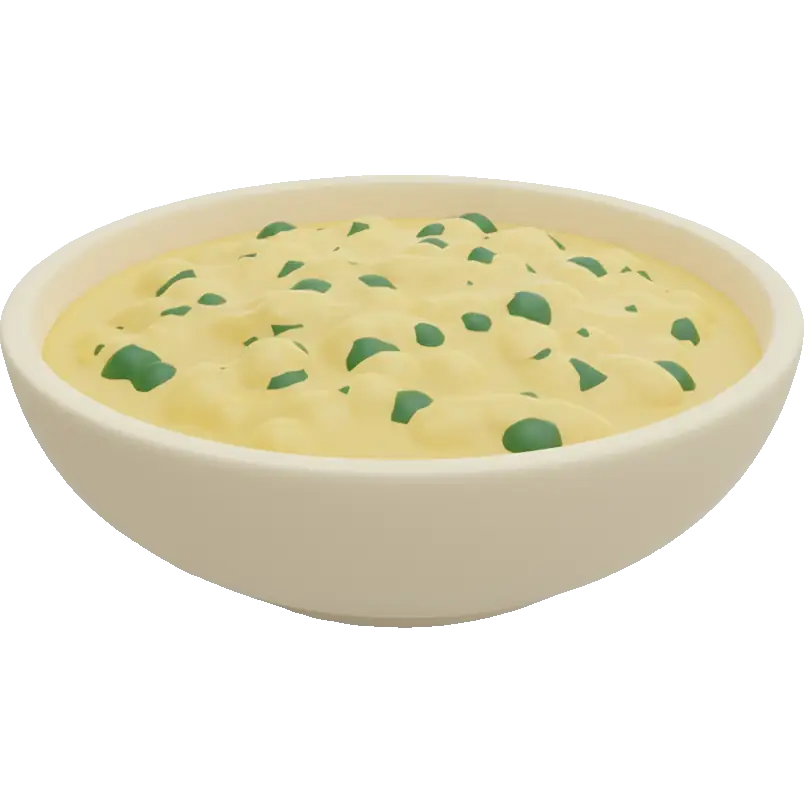
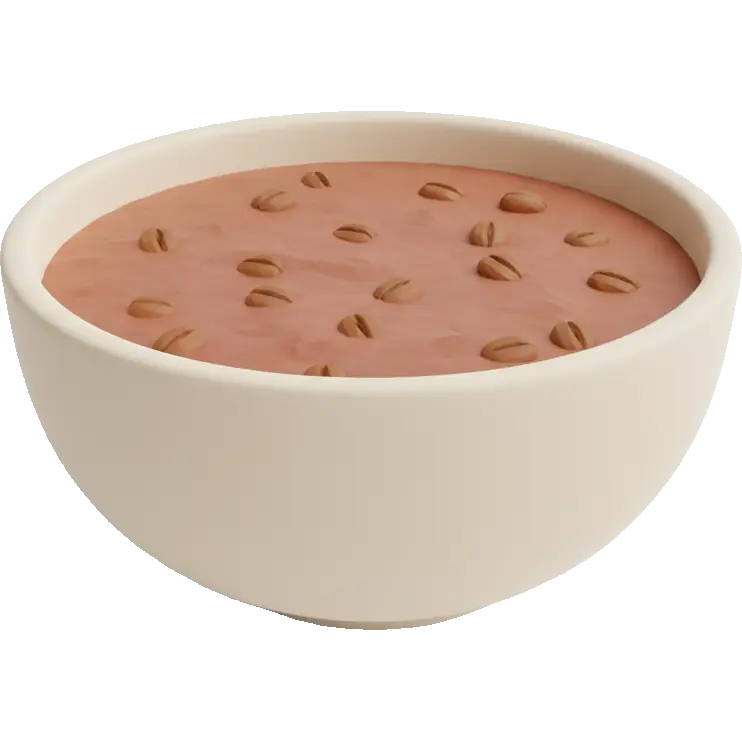
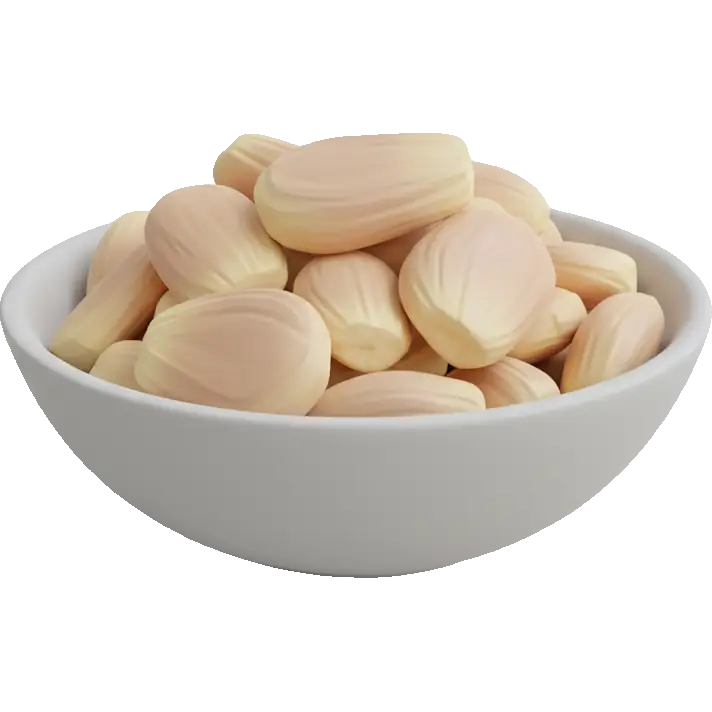
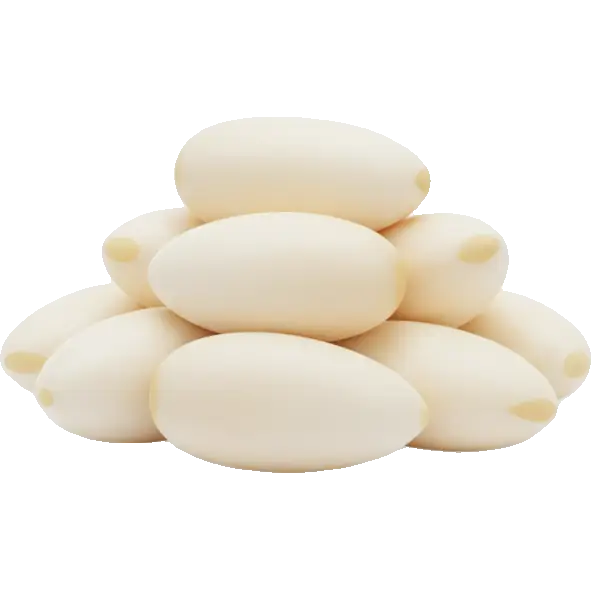
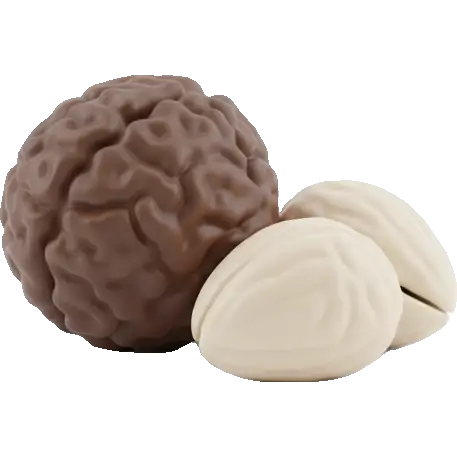
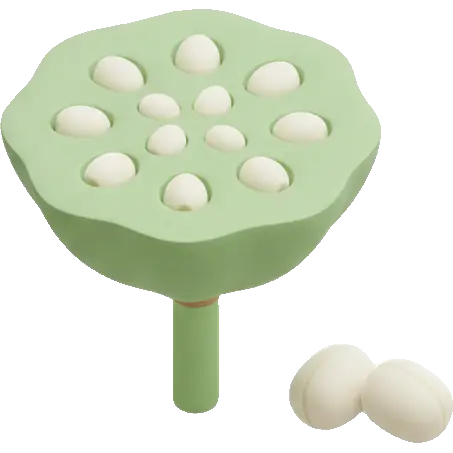
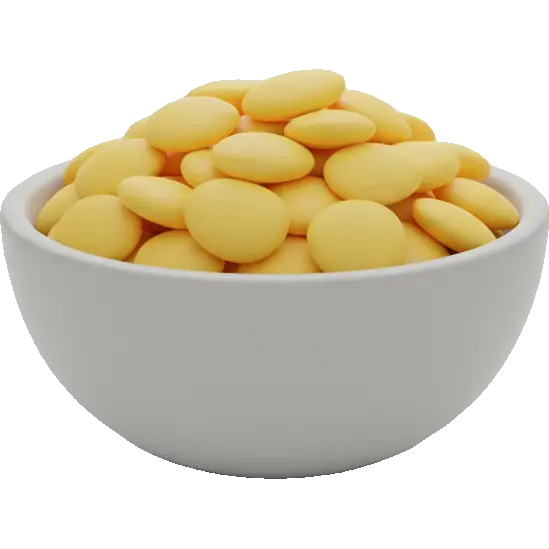
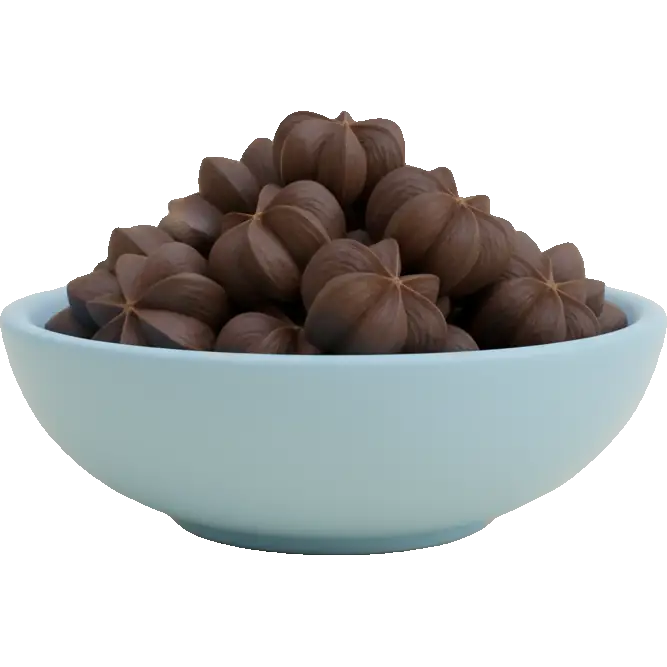
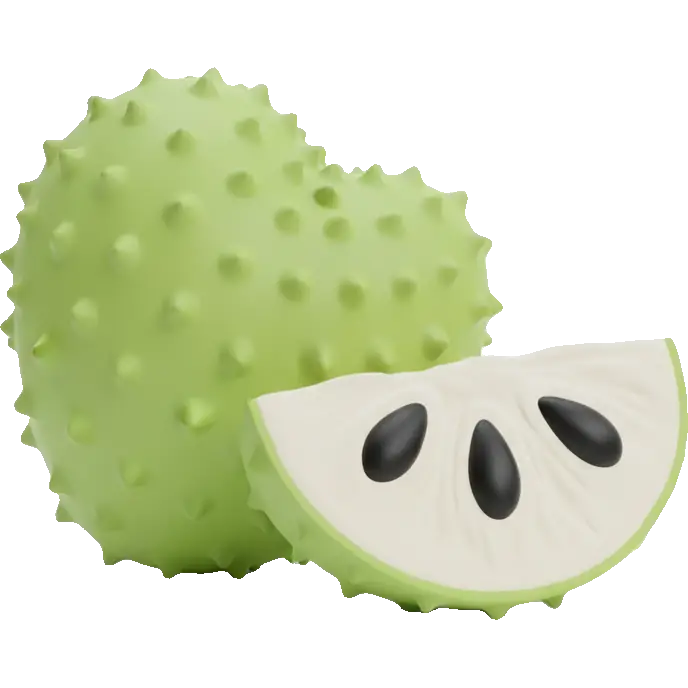
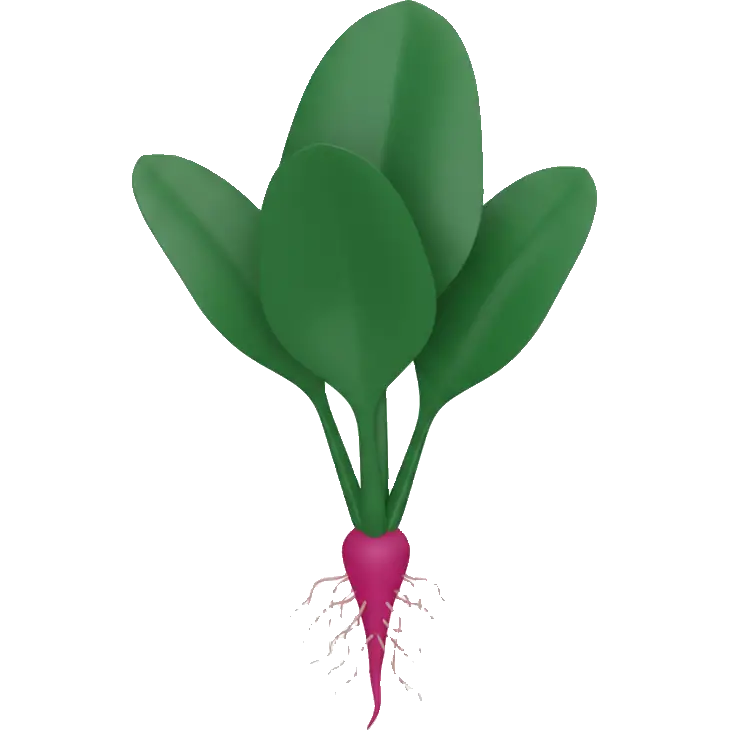
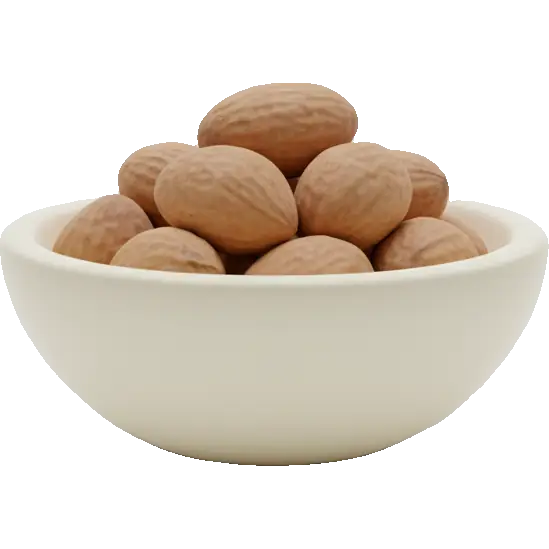
Below is the full list of foods that carry a meaningful oxalate load - drawn directly from the Triggerbites ingredient database. Spinach, nuts, beans, beets and chocolate sit among the highest.






















Oxalate is a load you manage
It's worth keeping this in proportion. For most people, high-oxalate foods are perfectly healthy foods - spinach and almonds are not problems to be feared.
Oxalate is a load that matters most for specific people - particularly those who form calcium-oxalate kidney stones - and even then what counts is the total dietary oxalate, the calcium eaten alongside it, and hydration.2 No single food decides it. Cutting nutritious foods wholesale, without reason, has its own cost.
Finding your pattern
If oxalate is relevant to you, the things worth tracking are the total oxalate load across a day, the highest-oxalate foods (spinach, nuts, beans, beets, chocolate, tea), and whether calcium-containing foods were eaten alongside them.
Where Triggerbites fits in
This list comes straight from the food data inside Triggerbites, which tags every ingredient for oxalate load alongside 40+ other trigger criteria.
So when you log meals in plain language, Triggerbites extracts the ingredients, tags the oxalate content, and shows your cumulative load across time - a clear, documented picture to bring to a doctor or dietitian.
It takes seconds a day, and it turns a scattered compound into something you can actually see.






Triggerbites Features
- Log your day in 30 seconds: Text, voice or photo. Log as you go, or recap it all in the evening.
- Your food, broken down: Meals become ingredients and sensitivity profiles: histamine, salicylates, FODMAPs, allergens, and even the additives on packaged food.
- Everything in the same journal: Symptoms, supplements, sleep, stress, exercise and mood, beside what you ate.
- See what repeats over time: Patterns between what you eat and how you feel, including delayed reactions that show up days later.
For related pieces, see how to find your food triggers.
Live, love, log. 🧡
References
- 1
- 2
- 3National Institute of Diabetes and Digestive and Kidney Diseases (NIDDK) "Eating, Diet, & Nutrition for Kidney Stones"NIDDK
 PMC
PMCArticle References and Citations
- U.S. National Library of Medicine (PMC): "Dietary oxalate and kidney stone formation" - https://pmc.ncbi.nlm.nih.gov/articles/PMC6459305/
- National Kidney Foundation: "Kidney Stone Diet Plan and Prevention" - https://www.kidney.org/kidney-topics/kidney-stone-diet-plan-and-prevention
- National Institute of Diabetes and Digestive and Kidney Diseases (NIDDK): "Eating, Diet, & Nutrition for Kidney Stones" - https://www.niddk.nih.gov/health-information/urologic-diseases/kidney-stones/eating-diet-nutrition