Acidic foods and reflux: the complete list, and what actually matters
Your stomach is already far more acidic than anything on this list. Here is why acidic food still hurts, and what usually matters more.
If reflux is your problem, you have been told to avoid acidic food. That advice covers half of what is going on. The acid burning your oesophagus came up out of your own stomach.
Below is every ingredient our database grades as acidic, and an account of when acidity is the thing to change and when it is not.
What acidic food does, and does not do
Your stomach runs at a pH of about 1.5 to 3.5. Almost nothing you eat is anywhere near that strong. Your stomach is already far more acidic than a lemon, and a lemon leaves its pH where it was.
Acidic food causes trouble in two other ways. The first is direct irritation. If reflux has already inflamed the lining of your oesophagus, acidic food touches that inflamed tissue on the way down and hurts. The damage was caused by stomach acid; the orange juice is landing on the wound.
The second is the valve. Some acidic foods, tomatoes and citrus among them, are also associated with a more relaxed lower oesophageal sphincter, which is the muscle that should keep stomach contents where they belong.1 A relaxed valve lets acid up regardless of what the meal's own pH was.
So acidic food is worth limiting while your oesophagus is inflamed, but cutting it leaves whatever caused the inflammation in place. People can cut fruit for years and still eat large meals late at night.
The things that usually matter more
Meal size, because a full stomach pushes upward. Timing, because lying down within three hours of eating removes gravity from your side. Fat content, because fat slows stomach emptying. Alcohol, caffeine, chocolate and mint, all of which relax the same valve. And carrying weight around the middle, which raises pressure under the stomach. If you get reflux regularly, change those five first and look at the acidity of individual ingredients after.
The acidic foods
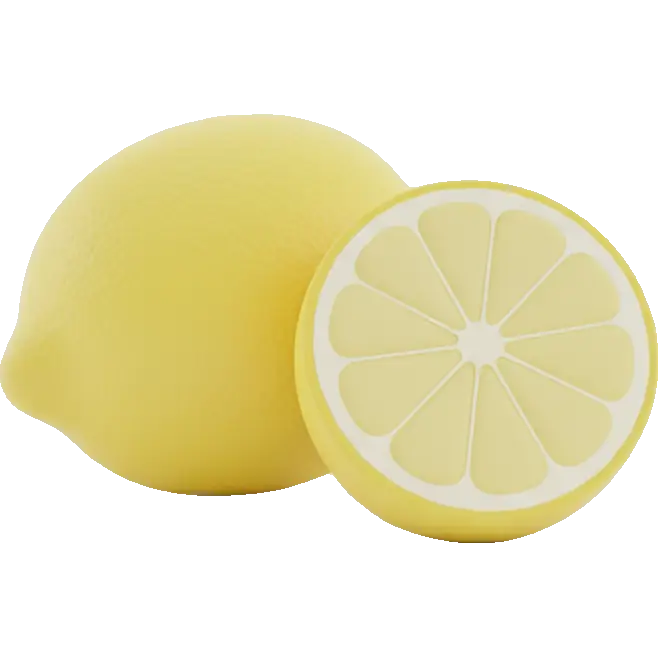
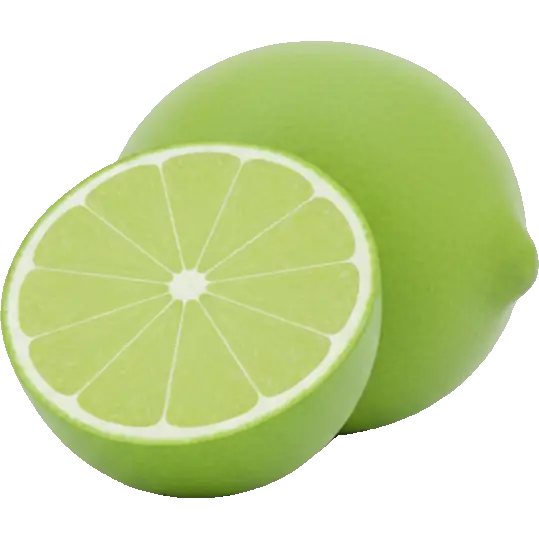
Citrus, tomatoes, vinegar and cola are the acidic ingredients most people already know.
Journal your day.
Find your personal triggers.
Triggerbites checks every food you log for acidity and shows which ones your symptoms follow.
The complete list
Every food our database grades for acidity, highest first. Each one links to its own page.
Worth avoiding77 foods

| Food | Notes |
|---|---|
| Aperitif | Covers many pre‑dinner alcoholic drinks (vermouth, bitters, etc.). Alcohol can aggravate IBS; some are wine‑based and may contain sulfites/biogenic amines. |
| Aperol | Bitter orange aperitif (11% ABV). Alcohol may trigger IBS; distilled spirit/wine‑based mixers may include sulfites—check label; gluten‑free as a spirit/liqueur. |
| Apple cider vinegar | Apple cider vinegar is fermented apple vinegar. A tangy acidic liquid for cooking and dressings. |
| Balsamic vinegar | Balsamic vinegar is aged Italian grape vinegar. A sweet-tart dark vinegar from Modena. |
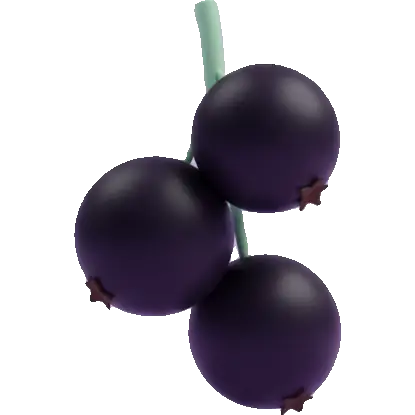
| Blackcurrant | High in sorbitol (a polyol); small portions only if sensitive to sorbitol. Rich in vitamin C and anthocyanins. |
| Blueberry | Blueberry is a small round blue fruit. A sweet antioxidant-rich North American berry. |
| Buffalo sauce | Typically hot sauce (often with garlic) + butter; contains dairy and nightshade chili; brand recipes vary. |
| Caper berries | Usually pickled in vinegar/brine (may contain sulfites). FODMAP data limited; trial small serves. |
| Capers | Pickled flower buds; typically low FODMAP in small (1 Tbsp) serves. Check labels for sulfites. |
| Champagne | Sparkling wine is generally low FODMAP per serve; contains alcohol and often added sulfites. |
| Chili garlic sauce | Contains garlic → fructans. Choose garlic‑free chili sauces or use garlic‑infused oil if needed. |
| Chimichurri | Parsley‑garlic herb sauce; typical recipes include raw garlic → fructans. Use garlic‑infused oil to lower FODMAPs. |
| Cider | Apple‑based (alcoholic or not) → often high FODMAP; alcohol and sulfites can also be issues. |
| Cola | FODMAP depends on sweetener: HFCS‑sweetened is high FODMAP; sugar‑sweetened isn’t a FODMAP but still a free sugar. Caffeinated & carbonated. |
| Cranberry | Cranberry is a small tart red berry. A sour fruit typically sweetened for sauces. |
| Cranberry juice | Typically low FODMAP around 200–250 ml if 100% juice and without apple/pear/HFCS. Check labels; larger serves can stack FODMAPs. |
| Cranberry sauce | Homemade versions with sugar are low‑FODMAP friendly in modest serves. Many canned sauces use HFCS or apple juice—read labels. |
| Finger lime | Australian citrus; similar to lime. Citrus fruits are generally low FODMAP in typical serves. |
| French dressing | Recipe/brand dependent; can include onion/garlic, tomato/paprika, thickeners, dairy and preservatives. Check labels. |
| Ginger ale | Usually caffeine-free soda sweetened with sugar/HFCS; ginger flavor rarely from real ginger. High sugar load. |
| Gluhwein | Mulled red wine with spices and sugar. High in histamine/tyramine and sulfites; very high salicylates from spices. |
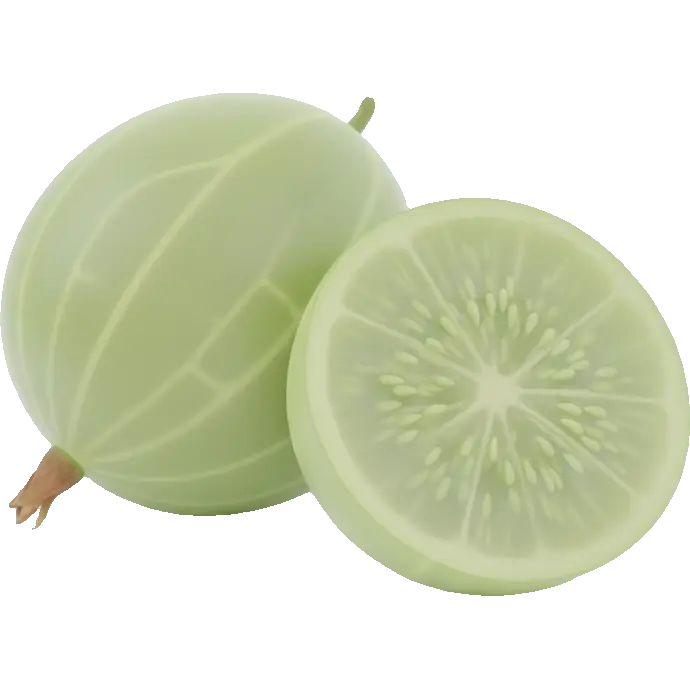
| Gooseberry | Tart berry; typical serves appear low FODMAP, but detailed lab data limited—watch portions. |
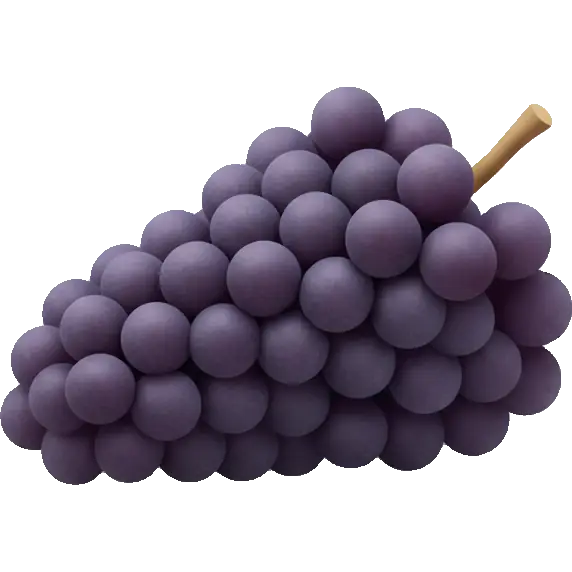
| Grape | As of 2024 Monash update, only ~2 grapes are low FODMAP; 3+ contain excess fructose. Otherwise nutrient-dense fruit. |
| Grape juice | Purple grape juice is high in salicylates and fructose; white grape juice is lower in salicylates but often has added sulfite. |
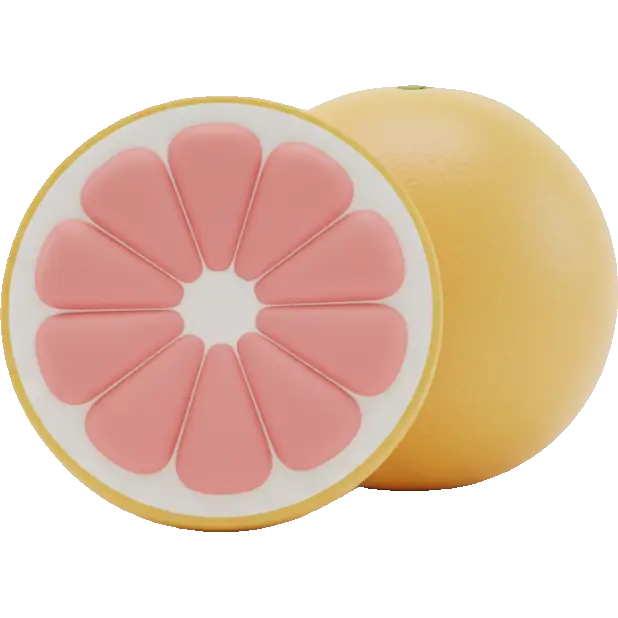
| Grapefruit | Grapefruit is a large citrus fruit. A tangy bitter-sweet citrus for breakfast. |
| Grapefruit juice | Grapefruit itself is low FODMAP at ~80 g. Juice not formally tested; portion and brand vary—start small. |
| Hard cider | Untested, but likely high FODMAP (apple-based); alcohol can irritate IBS—trial cautiously if at all. |
| Hibiscus tea | Caffeine-free infusion; not lab-tested by Monash—treat portions conservatively and avoid blends with chicory. |
| Hot sauce | Chili-based condiments often include garlic/onion; choose garlic-free brands if needed. |
| Huckleberry | Similar to blueberries; likely low FODMAP in moderate serves. |
| Jelly | Fruit jelly (filtered). Portions and sweeteners determine FODMAP load. |
| Kombucha | Fermented tea; low FODMAP only in small serves depending on residual sugars; can be high in histamine. |
| Kvass | Traditional rye-bread ferment → gluten and likely higher fructans; varies by recipe. |
| Lemon | Lemon is a yellow citrus fruit. A sour acidic fruit essential for cooking. |
| Lemonade | FODMAP depends on sweetener (sugar vs HFCS vs polyols). Choose low‑FODMAP sweetening and keep portions modest. |
| Lime | Lime is a small green citrus fruit. A tart acidic citrus for drinks and cooking. |
| Limequat | Citrus hybrid similar to kumquat; generally low FODMAP in modest serves. |
| Mead | Fermented honey alcohol; residual fructose varies (dry vs sweet). Often contains sulfites; fermented → higher histamine/amines. |
| Mint sauce | Typically mint, vinegar & sugar; generally low FODMAP in small serves. Some brands add garlic or yogurt—check label. |
| Mulled wine | Wine + sugar + spices; alcohol and added sugars can aggravate symptoms; many wines have sulfites. |
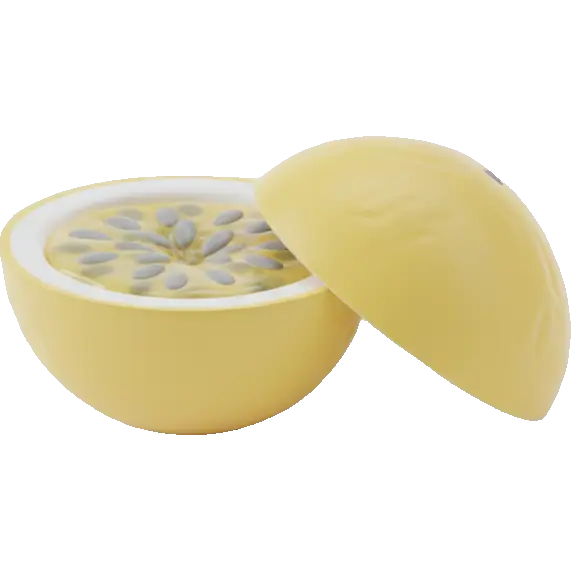
| Passion fruit | Passion fruit is a round tropical fruit. A tangy aromatic fruit with edible seeds. |
| Pepper jelly | Sugary preserve with peppers; often high in excess fructose and may include apple/pear juice or HFCS. Check labels for onion/garlic. |
| Perry | Pear cider; pears are high in excess fructose and sorbitol. Alcoholic ciders and perry often contain added sulfites. |
| Persian lime | Citrus lime (Tahiti). Low FODMAP at typical wedge servings; juice is usually tolerated in modest amounts. |
| Pickle relish | Usually diced pickles with sugar and often onion. Onion drives fructans; check labels if you’re avoiding garlic/onion or sulfites. |
| Pineapple juice | Juice is more concentrated than fruit; moderate portions may be tolerated, but large serves can tip into excess fructose. |
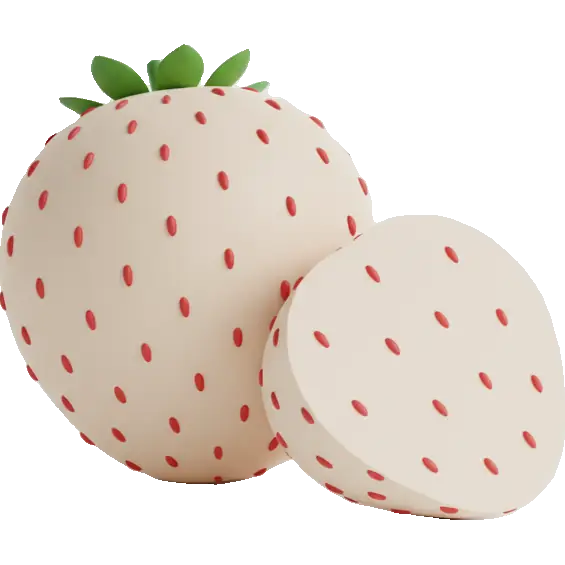
| Pineberry | White strawberry cultivar; by analogy to strawberries it’s typically low FODMAP at modest portions, but formal data are limited. |
| Piri piri sauce | Chili, garlic, lemon, oil, and spices. Garlic drives fructans; hot chili can irritate IBS and GERD. Check labels for onion/added sugars. |
| Plum sauce | Sweet-sour condiment with plums (sorbitol), sugar, and often garlic/onion/soy sauce—commonly high in polyols and FODMAPs. |
| Pomegranate | Pomegranate is a red fruit with seeds. A sweet-tart fruit with jewel-like arils. |
| Pomegranate juice | Antioxidant-rich juice. Modest serves may be tolerated; larger amounts increase fructose load. |
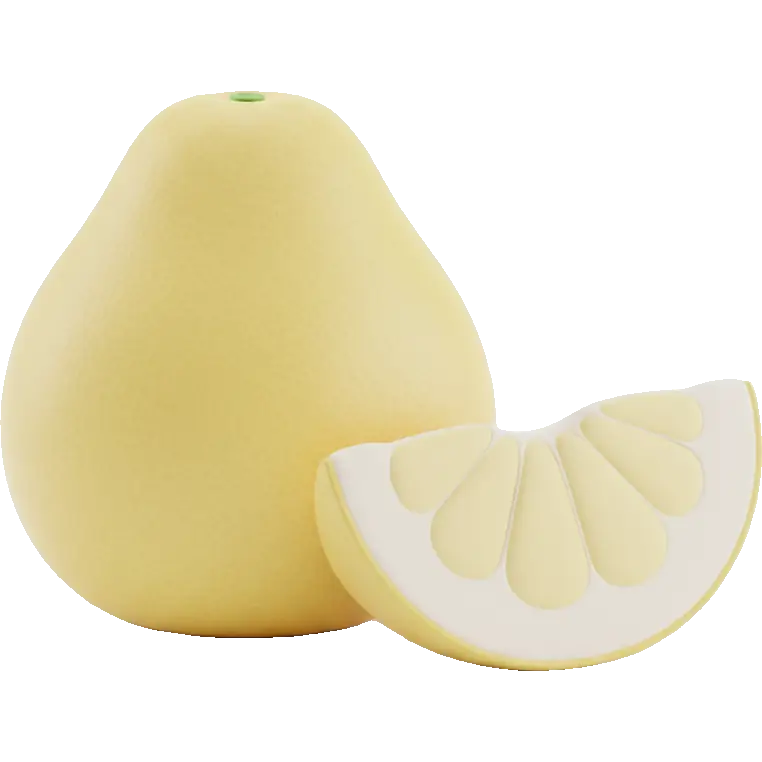
| Pomelo | Large citrus fruit similar to grapefruit; generally low FODMAP at typical portions. |
| Port | Sweet fortified wine; higher sugar load (excess fructose) and commonly contains sulfites. Fortified and barrel-aged wines can be high in histamine. |
| Quince | Fresh quince hasn’t been lab‑tested for FODMAPs; quince paste has only a very small low‑FODMAP serve. Trial small amounts once symptoms are settled. |
| Raspberry | Raspberry is a soft red aggregate fruit. A sweet-tart delicate berry. |
| Red currant | Red currant is a small tart red berry. A sour berry for jellies and garnishes. |
| Red wine | Red wine is fermented dark grapes. An alcoholic beverage with varied styles and flavors. |
| Red wine vinegar | Red wine vinegar is fermented red wine. A tangy acidic liquid for dressings. |
| Relish | Typically cucumbers + vinegar + sugar + onions/spices; onion/garlic drive FODMAP; preservatives vary by brand. |
| Rhubarb | Rhubarb is a tart red stalk used as fruit. A sour vegetable cooked with sugar for desserts. |
| Rose wine | Rosé wine is pink-tinted grape wine. A light refreshing wine between red and white. |
| Sake | Sake is Japanese rice wine. A refined alcoholic beverage brewed from rice. |
| Sauerkraut | Sauerkraut is fermented shredded cabbage. A tangy probiotic condiment from Germany. |
| Sea buckthorn | Sea buckthorn is a tart orange berry. A sour nutritious berry from coastal shrubs. |
| Sherry | Fortified wine; often contains sulfites. Dry styles (fino/manzanilla) have less residual sugar than cream sherry. |
| Sparkling wine | Carbonated wine (e.g., Champagne, Prosecco). Contains sulfites; sweetness varies (brut vs demi-sec). Biogenic amines may bother sensitive individuals. |
| Sriracha | Chili-garlic hot sauce with added sugar; commonly contains sulfite preservatives. High in fructans due to garlic; hot chilies can irritate some. |
| Strawberry | Strawberry is a red heart-shaped berry. A sweet fragrant fruit popular worldwide. |
| Tonic water | Carbonated mixer with quinine. FODMAP depends on sweetener (HFCS vs. sugar/diet). |
| Vermouth | Fortified/aromatized wine; styles vary in sugar. Wine typically contains sulfites; biogenic amines (histamine/tyramine) may be present. |
| Vinaigrette | Often oil + vinegar + aromatics; watch for garlic/onion/honey. Choose garlic-infused oil; some vinegars contain sulfites. |
| Vinegar | Most vinegars are low FODMAP in small amounts; balsamic has sugar limits. Sulfites may be present and some vinegars contain amines. |
| Water kefir | Non-dairy fermented drink; residual sugars can be present and fermentation can generate biogenic amines (histamine/tyramine). |
| White wine | White wine is fermented light grapes. A refreshing wine ranging from dry to sweet. |
| Yellow passion fruit | Low FODMAP at ~2 fruits (≈46 g pulp). Larger serves can increase FODMAP load. |
| Yuzu | Citrus fruit used for zest/juice; not lab-tested for FODMAP. Small flavouring amounts are typically tolerated. |
| Zinfandel grape | Grapes have recently-tested serving limits (Monash): very small serves may be required for low FODMAP—watch excess fructose and portions. |










Moderate68 foods
| Food | Notes |
|---|---|
| Aguas frescas | Fruit‑water drinks vary: mango/watermelon versions are high FODMAP; citrus/berry‑based can be friendlier. Often high in added sugar. |
| Apple | Apple is a crisp round fruit. One of the most popular fruits eaten fresh or cooked. |
| Apple butter | Concentrated apple spread—typically high in excess fructose and sorbitol (high FODMAP). |
| Apple juice | High in excess fructose—common IBS trigger even in small serves (high FODMAP). |
| Apricot | Apricot is a small orange stone fruit. A sweet velvety fruit related to peaches. |
| Apricot jam | Stone‑fruit jam often high in polyols (sorbitol) and fructose; small serves only if tolerated; watch ‘reduced‑sugar’ jams (often polyols). |
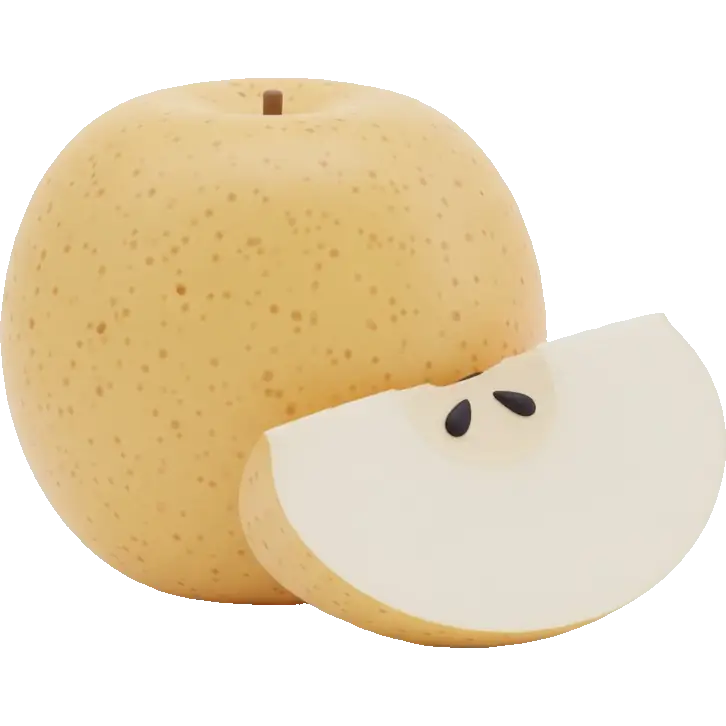
| Asian pear | Also called nashi pear. High FODMAP due to excess fructose (and some sorbitol); tiny 25–30 g serves may be tolerated. |
| Barbecue sauce | Brands vary; many contain onion/garlic (fructans) and HFCS. Some Monash-certified low FODMAP BBQ sauces exist—check labels for onion/garlic and wheat. |
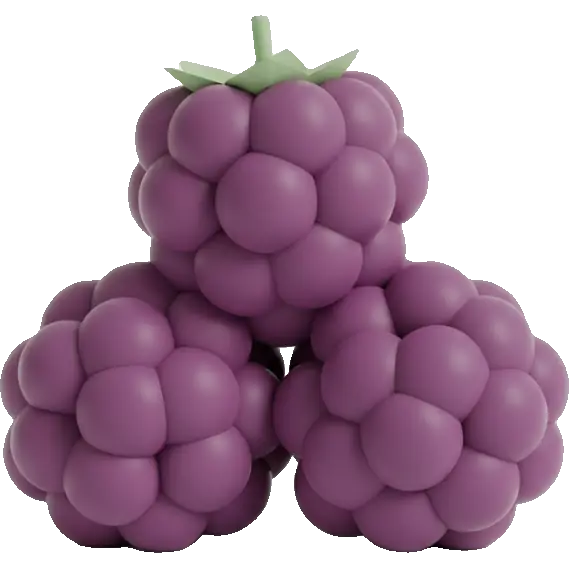
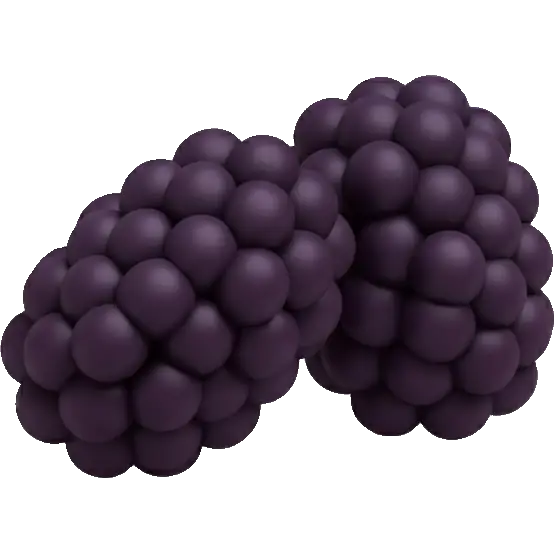
| Blackberry | Blackberry is a dark purple aggregate fruit. A sweet-tart berry growing on thorny brambles. |
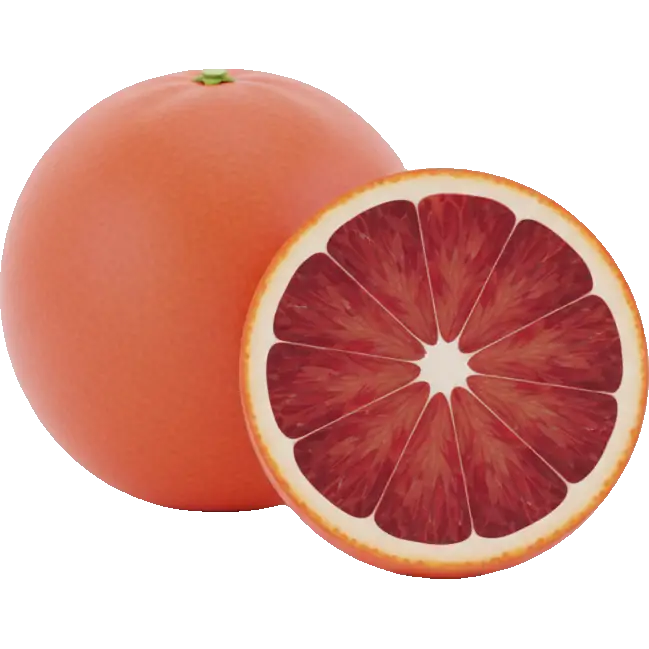
| Blood orange | Similar to regular orange: generally low FODMAP in typical serves. Citrus may liberate histamine for some. |
| Blue cheese dressing | Typically contains blue cheese + buttermilk/sour cream and often garlic/onion. FODMAP and lactose depend on brand; check labels. |
| Boysenberry | Limited testing; likely small low‑FODMAP serve only. Larger serves often high in polyols/excess fructose. |
| Caesar dressing | Classic Caesar uses anchovy, egg yolk, Parmesan and garlic (fructans) → not vegan/vegetarian and often high FODMAP. Fish, egg & milk are major allergens. |
| Chutney | Fruit + vinegar + spices; many include onion/garlic and lots of sugar—brand and portion dependent. |
| Clementine | Mandarin-type citrus; low FODMAP at typical fruit serves. |
| Cocktail sauce | Ketchup + horseradish + spices; many versions include garlic/onion or HFCS—portion and brand matter. |
| Damson plum | Stone fruit; plums are high in sorbitol and often trigger IBS symptoms. Very small tastes only during reintroduction. |
| Dewberry | Closely related to blackberries; likely higher in sorbitol—tolerance varies. Untested specifically; trial small portions. |
| Garlic aioli | Emulsion of oil + egg + garlic. High fructans due to garlic; not vegan; avoided on AIP/6-FED (eggs). |
| Green apple | Apples are high FODMAP (excess fructose + sorbitol), regardless of variety. |
| Greengage | A type of plum; plums are high in sorbitol → high FODMAP. |
| Guava | Guava is a tropical fruit with pink flesh. A fragrant sweet fruit with edible seeds. |
| Honey | Honey is nectar processed by bees. A natural golden sweetener with floral flavors. |
| Honey mustard | Often contains honey, vinegar, spices; some brands add wheat/dairy/garlic—check labels. |
| Honeycrisp apple | Apples are high in sorbitol and excess fructose → high FODMAP. |
| Horseradish sauce | Often mayo/cream-based with vinegar/sugar; many add onion/garlic—brand-dependent. |
| Jam | High-sugar fruit spread; low FODMAP only if made with low-FODMAP fruit and small serves. |
| Ketchup | Tomato + sugar + vinegar; many brands add onion/garlic or HFCS—watch portion and ingredients. |
| Kumquat | Small citrus eaten with peel; generally low FODMAP in small serves. |
| Lemon curd | Butter‑ and egg‑based spread with sugar; lactose present unless made lactose‑free. |
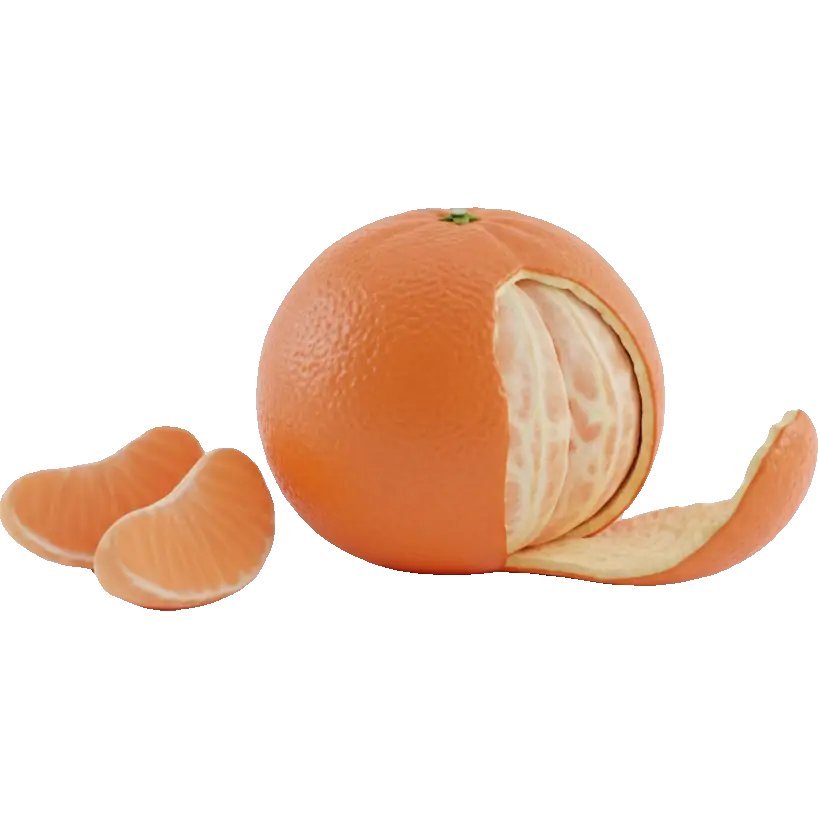
| Mandarin | Mandarin is a small sweet citrus. An easy-to-peel orange variety. |
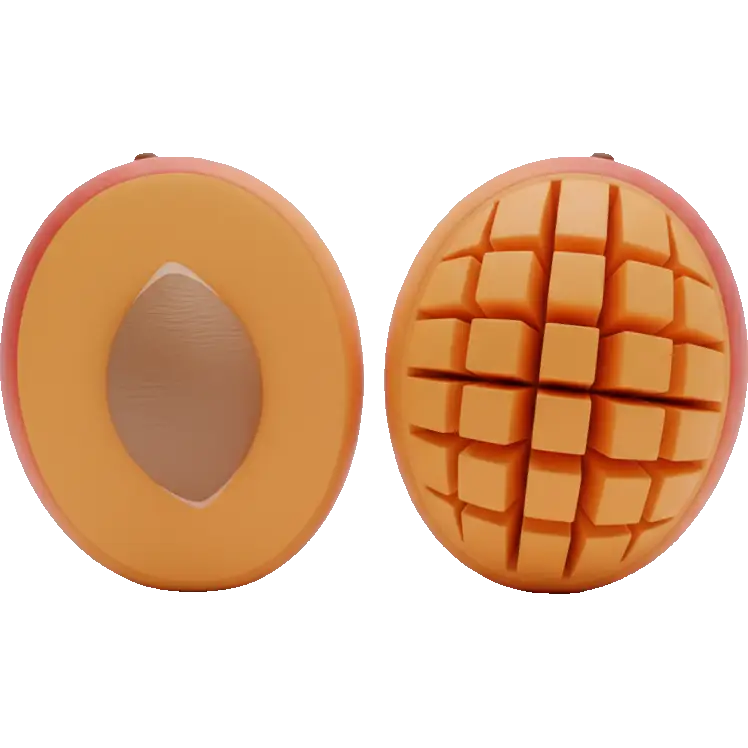
| Mango | Mango is a tropical stone fruit. A sweet juicy fruit called king of fruits. |
| Mango chutney | Usually contains mango (excess fructose) plus onion/garlic and sugar. Brands vary—check labels; small serves may still trigger. |
| Marionberry | Similar to blackberries; polyol (sorbitol) load rises with portion. Small serves may be tolerated. |
| Mayonnaise | Usually oil+egg+vinegar; low FODMAP if no garlic/onion. Not vegan unless specified; some brands add garlic or additives—check label. |
| Nectarine | Nectarine is a smooth-skinned peach variety. A sweet juicy stone fruit. |
| Olallieberry | Blackberry hybrid; blackberries are high in polyols (sorbitol) at common serves. |
| Olive | Olive is the fruit of olive trees. A briny fruit cured for eating or pressed for oil. |
| Olive tapenade | Often includes garlic/capers/anchovy—FODMAP depends on recipe; garlic drives fructans. |
| Orange | Orange is a round citrus fruit. A sweet juicy fruit popular worldwide. |
| Orange juice | Orange juice is pressed from oranges. A popular sweet-tart breakfast citrus drink. |
| Peach | Peach is a fuzzy stone fruit. A sweet juicy summer fruit with yellow flesh. |
| Pear | Pear is a bell-shaped fruit. A sweet juicy fruit with grainy texture. |
| Physalis | Also sold as cape gooseberry or golden berry; nightshade family; eat only the ripe fruit without its husk. |
| Pico de gallo | Fresh salsa with raw onion, tomato, cilantro, lime, and chili. Onion makes it high in fructans; tomatoes/chiles are nightshades. |
| Pineapple | Pineapple is a spiky tropical fruit. A sweet tangy fruit with golden flesh. |
| Plum | Plum is a round stone fruit. A sweet juicy fruit in many colors. |
| Ponzu sauce | Citrus-soy condiment; regular soy sauce contains wheat (gluten) and is naturally high in glutamates. Some brands add bonito (fish), raising histamine. |
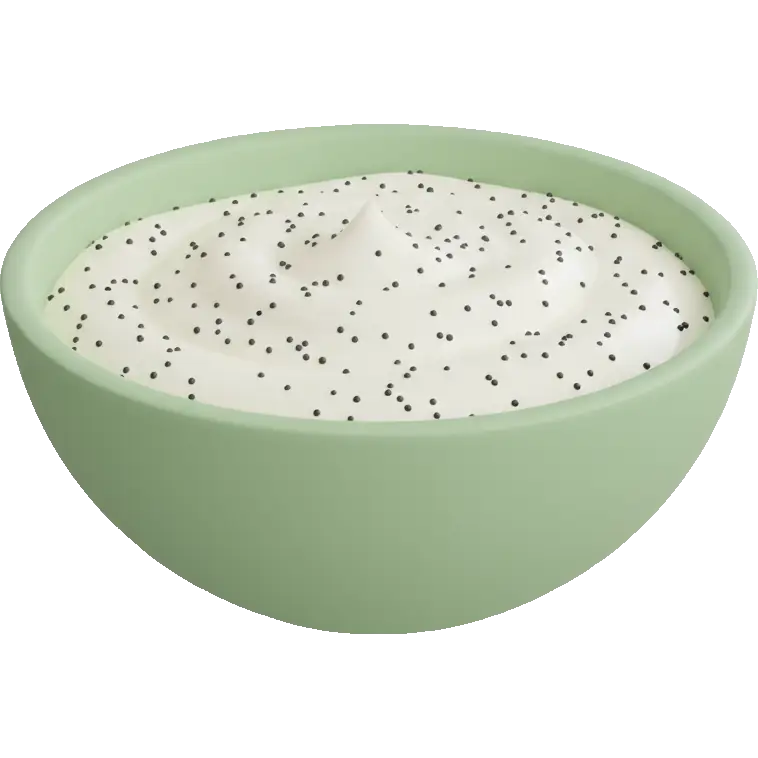
| Poppy seed dressing | Sweet vinaigrette; often includes onion powder and sugar. Check for added onion/garlic and stabilizers if you’re FODMAP-sensitive. |
| Prune | Prune is a dried plum. A sweet chewy dried fruit with concentrated flavor. |
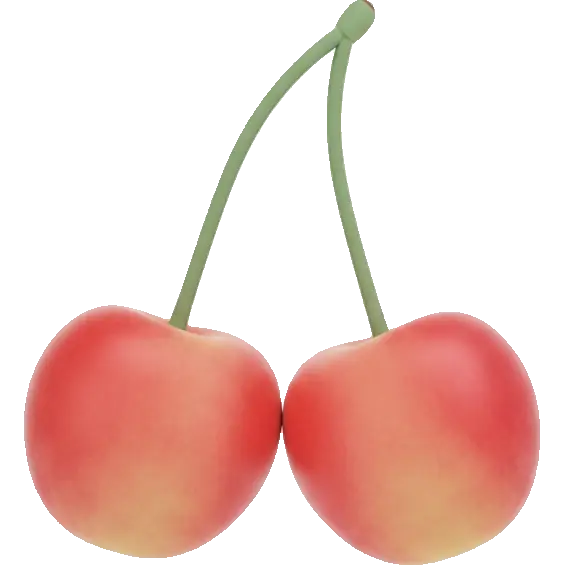
| Queen anne cherry | Sweet cherry cultivar; high FODMAP (sorbitol + excess fructose). Small portions only if tolerated. |
| Raisins | Raisins are dried grapes. A sweet chewy dried fruit for baking and snacking. |
| Ranch dressing | Often contains buttermilk + garlic/onion powder; many brands are gluten-free but check labels. |
| Red delicious apple | High in sorbitol + excess fructose → common FODMAP trigger. |
| Salsa | Salsa is tomato-based Mexican sauce. A chunky or smooth condiment with chili peppers. |
| Sesame dressing | Sesame dressing is Asian sesame-based sauce. A nutty tangy salad dressing. |
| Smoothie | Highly variable; blending encourages larger fruit portions and FODMAP stacking. Use low-FODMAP fruits/milks and watch serve size. |
| Sourdough bread | Wheat sourdough. Fermentation reduces fructans but still contains gluten. Small serves may be tolerated. |
| Sweet and sour sauce | Often includes onion/garlic, pineapple, ketchup; brands may add wheat (gluten) and preservatives—check labels. |
| Tangelo | Citrus hybrid; generally low FODMAP at typical serves. |
| Tangerine | Tangerine is a small sweet citrus. An easy-to-peel orange variety with bright flavor. |
| Tartar sauce | Typically mayonnaise + pickles/capers + onion; some brands add dairy or wheat—check labels. |
| Tomato jam | Concentrated tomato + sugar; watch excess fructose at larger serves; may include pectin/preservatives. |
| Tomato sauce | Includes tomato paste and passata. |
| Ugli fruit | Also called Jamaican tangelo; not specifically tested. Citrus fruits like orange/mandarin are typically low FODMAP in moderate serves. |
| Vegan mayonnaise | Aquafaba-based is HIGH FODMAP (GOS); oil-based without aquafaba is LOW FODMAP. Seed oils incompatible with Paleo/AIP; avocado oil versions are anti-inflammatory. |
| Worcestershire sauce | Low-FODMAP in small serves but can contain barley malt vinegar (gluten) and anchovies; choose GF-labelled versions. |
| Youngberry | Hybrid berry related to blackberry; FODMAP data limited. Berries can skew towards sorbitol in larger serves—trial carefully. |






How to test it on your own evidence
Acidity is one of the easier things to test. The reaction comes quickly and the foods are easy to spot.
Keep the meal size, timing and alcohol steady and drop the acidic foods alone for two weeks. If the burning improves, you have learned that your oesophagus is currently sensitive, which usually means it is healing from something else. Bring them back gradually as it settles.
If nothing changes, acidity was not your driver and the effort is better spent on portions and timing.
Track when the symptoms happen as well as what you ate. Reflux that arrives at night points at timing and position. Reflux that arrives twenty minutes after every meal points at volume or the valve.
Check any food in seconds
The acidic food checker grades any food in our database, and every food on this page links to its own page with the rest of what it carries.
Where Triggerbites fits in
This list comes from the food data inside Triggerbites. The app grades every ingredient for acidity, alongside alcohol, spicy food, caffeine and 40-odd other criteria.
You journal your day in plain words or by voice, in about 30 seconds: "a coffee and an orange juice at 8, spaghetti in tomato sauce at 1, a glass of white wine with dinner at 9, heartburn in bed by 11." The app pulls out the tomato, the orange juice, the wine and the coffee, grades each one, and records when you ate them. Timing drives reflux as much as food does, so Triggerbites lines both up against when the symptoms arrived. After a few weeks you can see whether the heartburn follows the tomato sauce or the late dinner, and you can export the record as a PDF for your doctor.




Triggerbites Features
- Log your day in 30 seconds: Text, voice or photo. Log as you go, or recap it all in the evening.
- Your food, broken down: Meals become ingredients and sensitivity profiles: histamine, salicylates, FODMAPs, allergens, and even the additives on packaged food.
- Everything in the same journal: Symptoms, supplements, sleep, stress, exercise and mood, beside what you ate.
- See what repeats over time: Patterns between what you eat and how you feel, including delayed reactions that show up days later.
Common questions
What are the most acidic foods?
Citrus fruit and their juices, tomatoes and tomato-based sauces, vinegar in all its forms including salad dressings and pickles, cola and other soft drinks, wine, and hot sauces built on vinegar.
Does acidic food cause acid reflux?
Not usually as the root cause. Your stomach is already far more acidic than any food, so the acid that burns came from you. Acidic food hurts because it lands on an oesophagus that is already inflamed, and some acidic foods also relax the valve that should hold stomach contents down.
What matters more than acidity for reflux?
Meal size, how long before lying down you ate, fat content, and alcohol, caffeine, chocolate and mint, which all relax the lower oesophageal sphincter. For most people those change symptoms more than cutting citrus does.
Are lemons alkaline in the body?
The claim that lemons become alkaline once digested is a popular one and it has no bearing on reflux. Your stomach maintains its pH regardless, and the alkaline diet has not been shown to affect reflux symptoms.
Should I cut tomatoes if I have reflux?
Worth testing before you cut them for good. Tomatoes are both acidic and associated with valve relaxation, so they are a reasonable candidate. Try two weeks without them while keeping meal size and timing steady, so you know what changed.
How quickly does acidic food cause symptoms?
Usually within minutes to an hour, because the acid irritates sensitive tissue on contact. Symptoms that arrive hours later, or overnight, point at meal size, timing or position.
Live, love, log. 🧡
References
 ACG
Article References and Citations
- American College of Gastroenterology: "Acid Reflux (GERD) - Patient Guidance" - https://gi.org/topics/acid-reflux/