High-lactose foods: the complete list, and how much you can actually have
Lactose intolerance works by threshold. Most people who have it can still eat cheese.
Lactose intolerance is the most common food intolerance in the world, and it is also the most misunderstood. It comes from running short of an enzyme, which makes it a different condition from a milk allergy. Most people who have it can still eat dairy, and the amount you tolerate is trainable.
Below is every ingredient our database grades for lactose, and what the numbers mean for what you can eat.
What lactose intolerance is
Lactose is the sugar in milk. Splitting it takes an enzyme called lactase, made in the lining of your small intestine.
Almost every human is born making plenty. What varies is whether production keeps up after weaning. In most of the world it declines through childhood, and for most humans that decline is normal. Populations with a long history of dairy farming carry a genetic variant that keeps lactase switched on into adulthood, and that variant is the exception globally even though it is the majority in northern Europe.1
When lactase runs short, undigested lactose reaches the colon, draws in water and gets fermented. Bloating, wind, cramping and loose stools follow, usually within a few hours.
How much lactose you can handle
Lactose intolerance works by threshold. Most people with it handle around 12 grams of lactose in one sitting without much trouble, which is roughly a glass of milk, and more than that when it is spread across a day or taken with other food.2 Very few people need to avoid dairy completely.
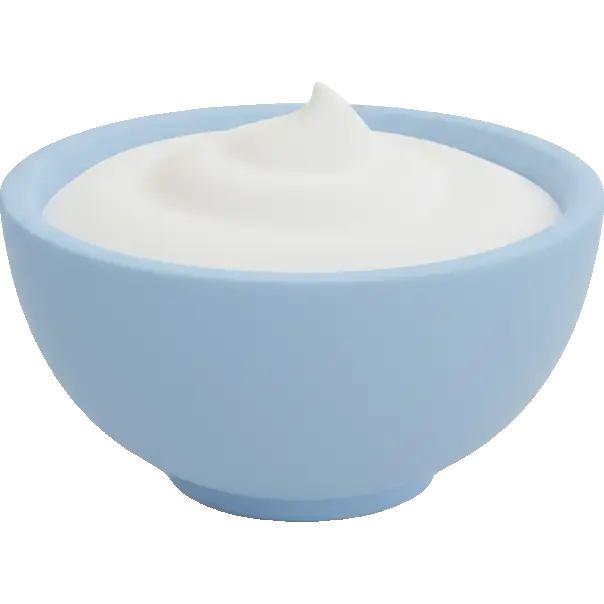
Fermentation and ageing help a great deal, because the bacteria eat the lactose before you do. A hard aged cheese such as parmesan or mature cheddar carries almost none. Yoghurt with live cultures is far better tolerated than the milk it was made from, partly for the same reason and partly because the cultures bring their own lactase.
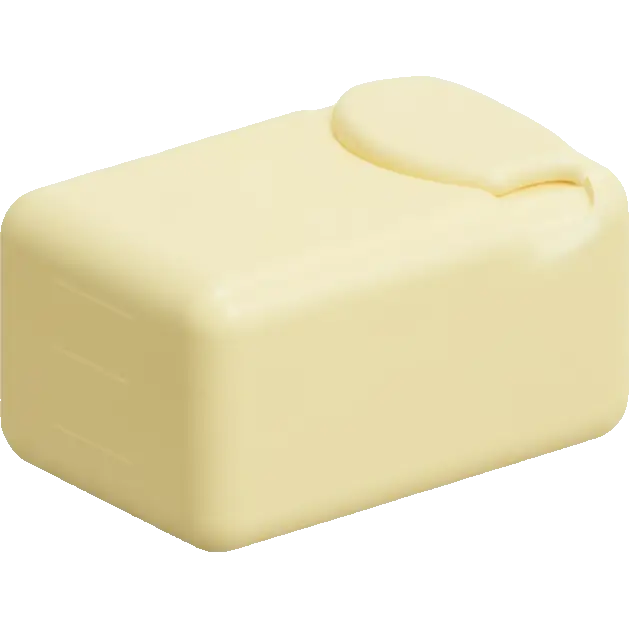
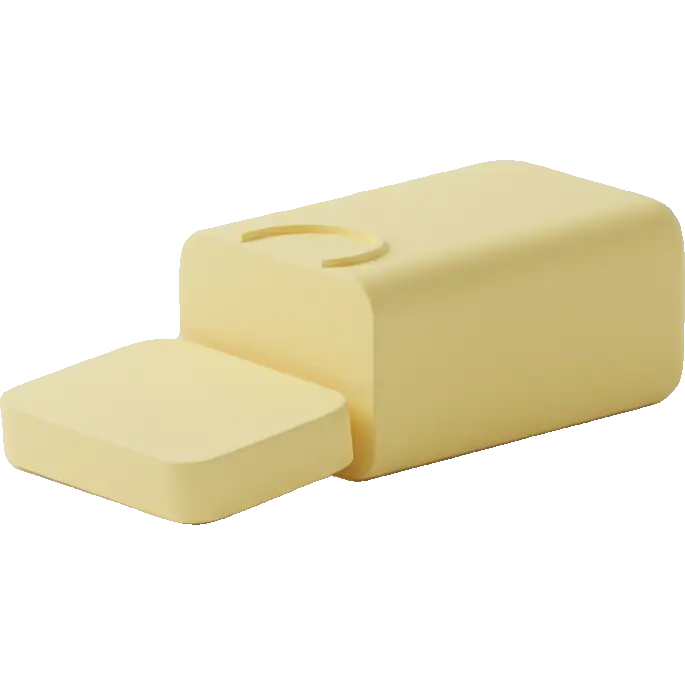
Butter is mostly fat and carries very little lactose, and cream carries less than milk. The ingredients that cause trouble are the fresh, unfermented, liquid ones: milk itself, soft cheeses, ice cream and milky coffee.
The high-lactose foods
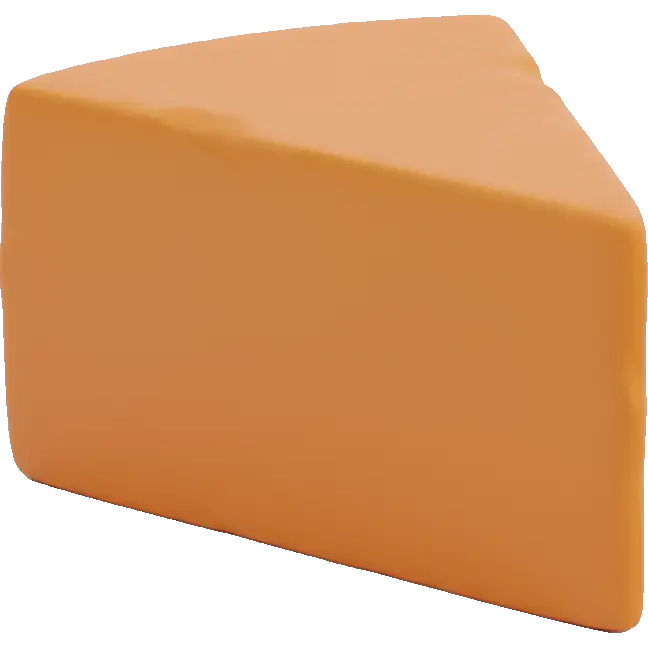
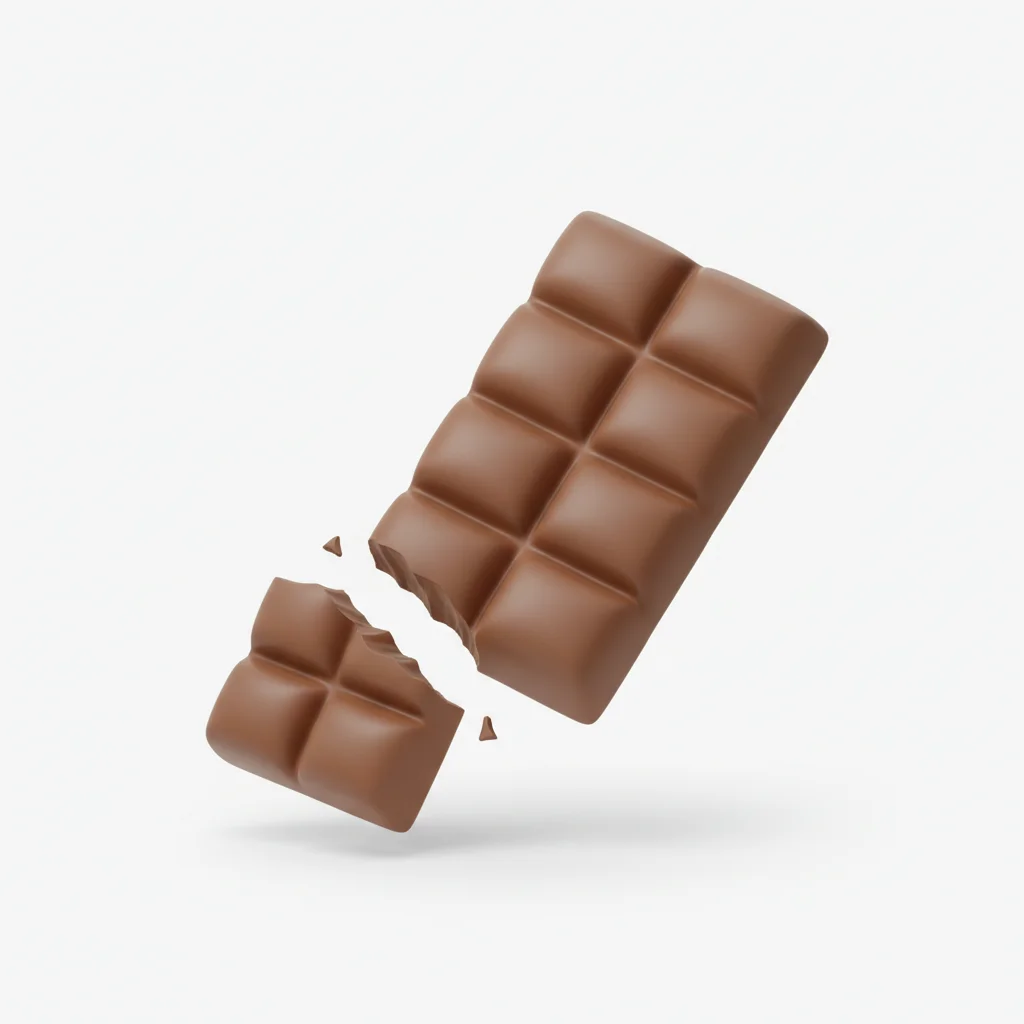
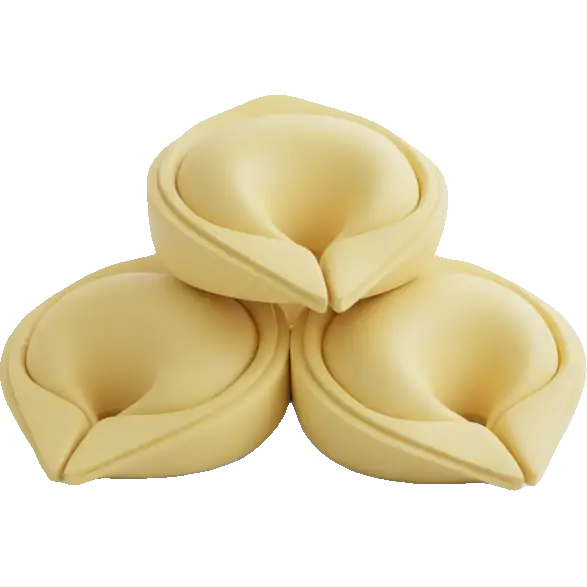
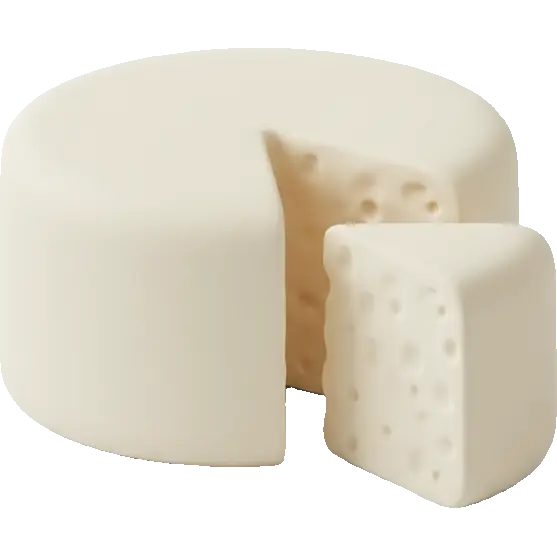
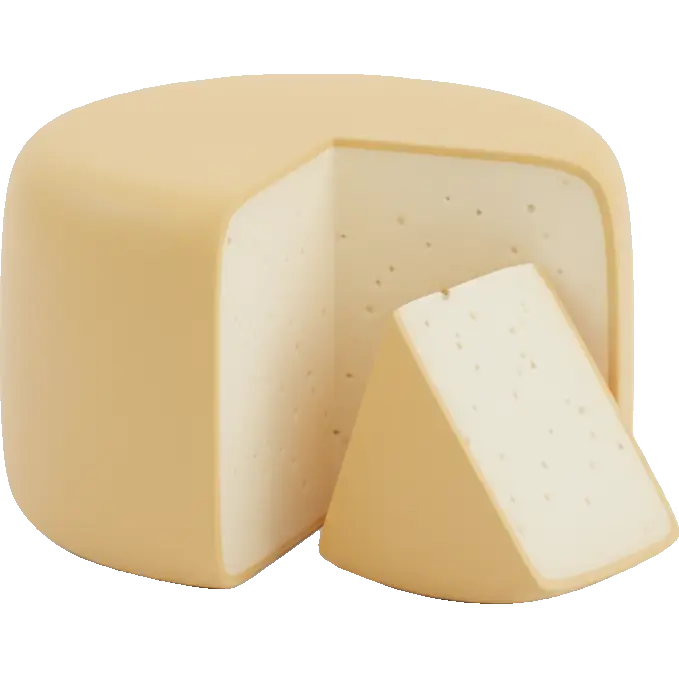
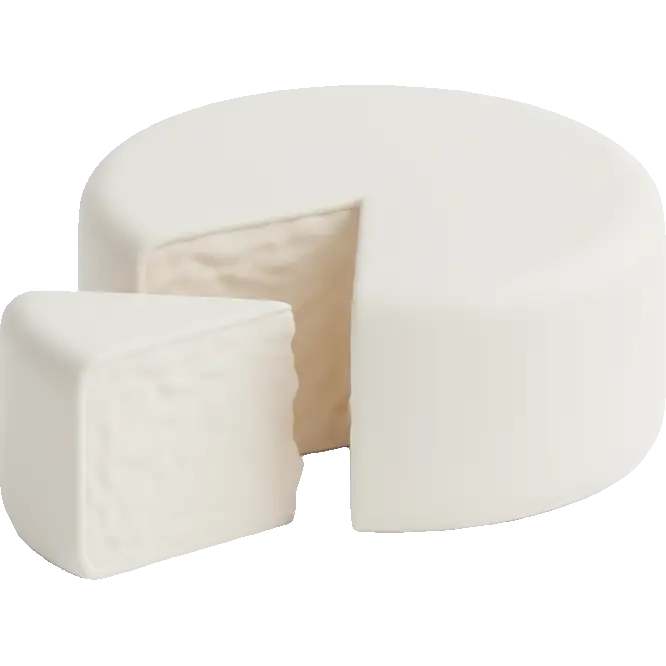
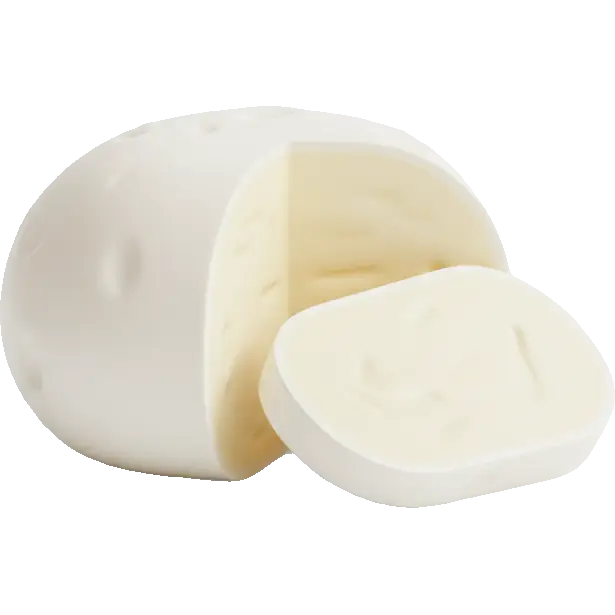
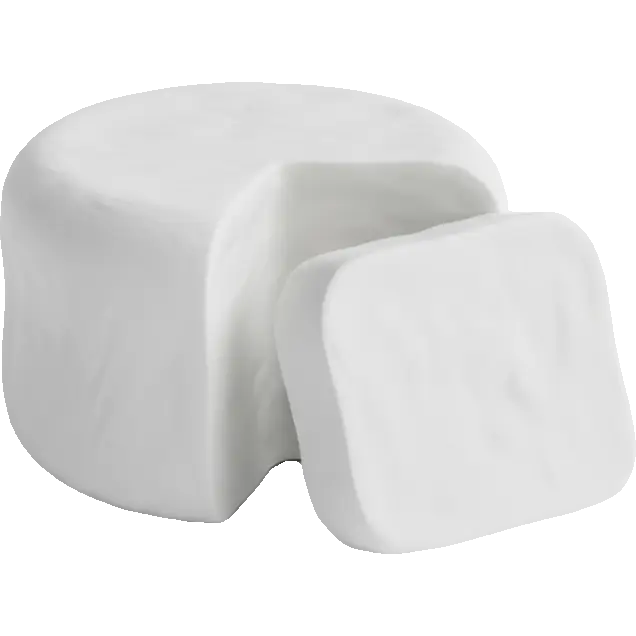
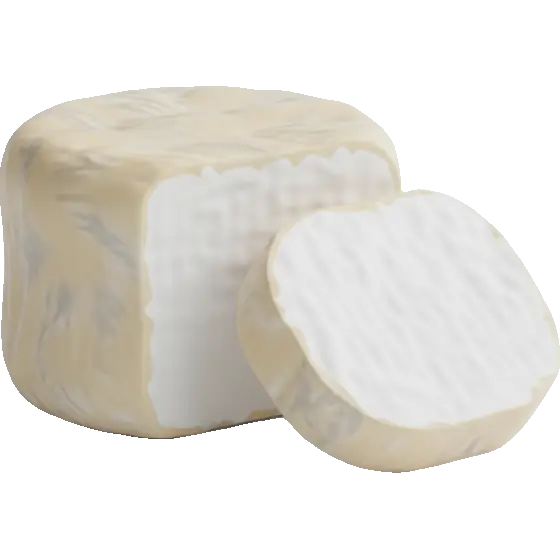
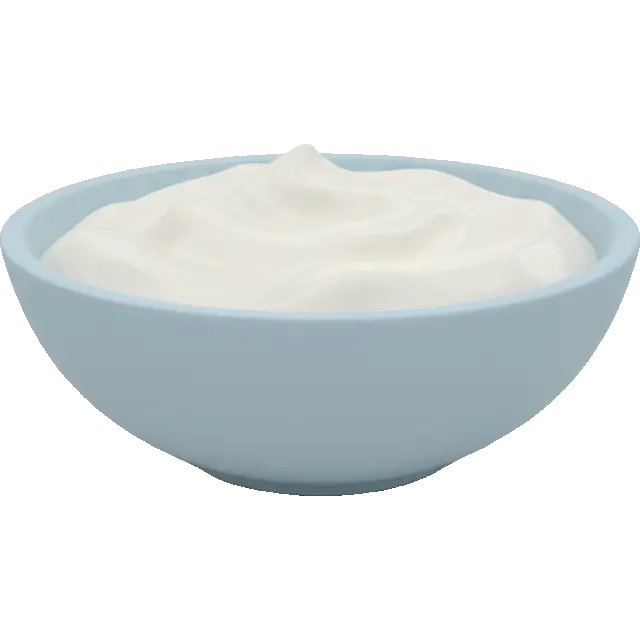
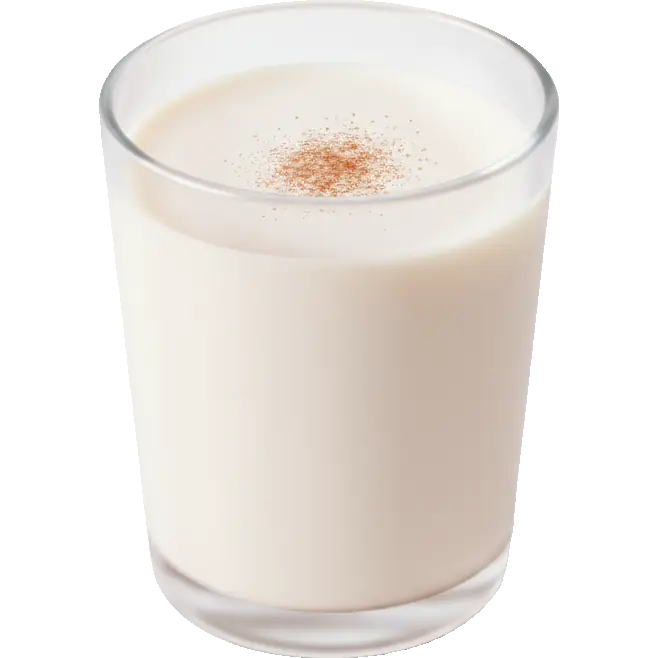
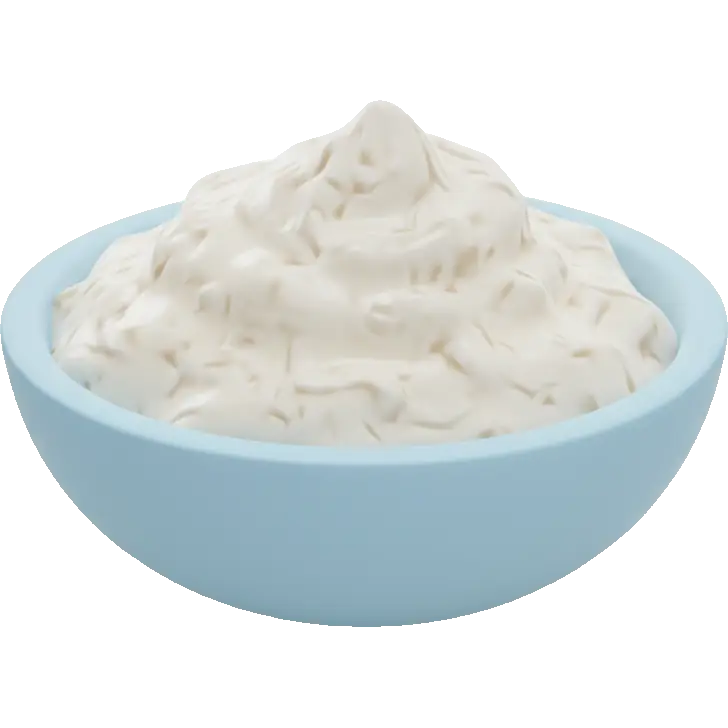
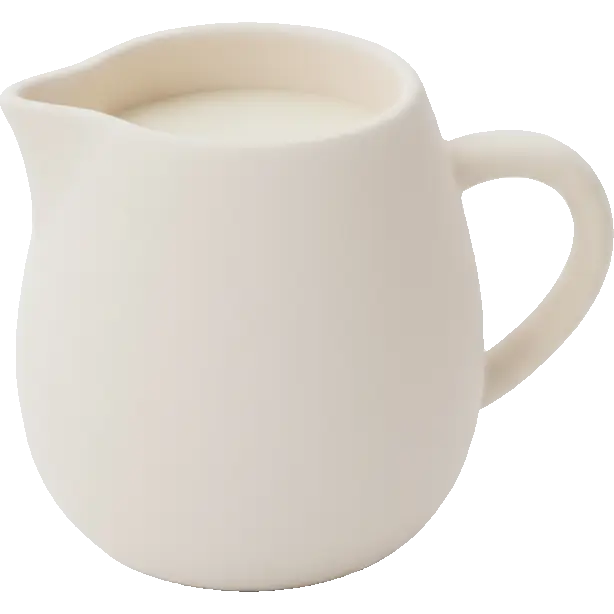
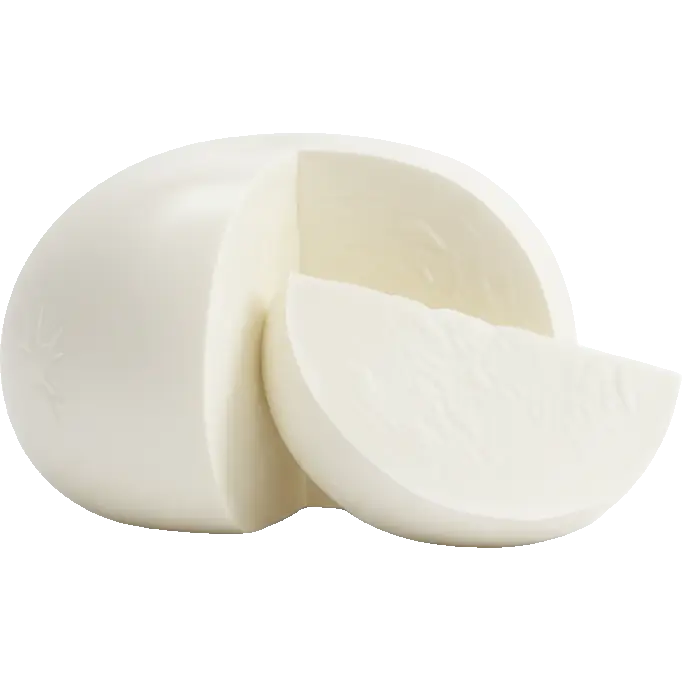
These are the high-lactose ingredients most people will recognise.
The complete list
Every food our database grades for lactose, highest first. Each one links to its own page.
Worth avoiding · 31 foods
| Food | Notes |
|---|---|
| Buttermilk | Fermented dairy; still contains lactose unless specifically lactose‑free. |
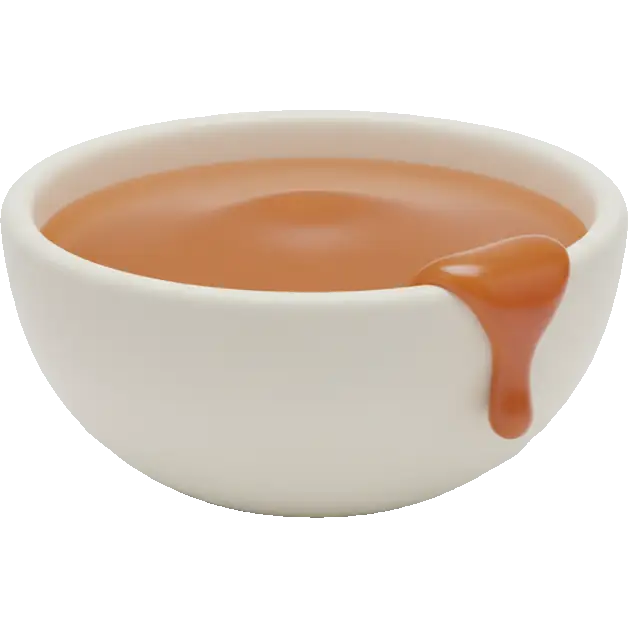
| Caramel sauce | Usually sugar + butter/cream → contains lactose; very sugary. |
| Cheese | Generic cheese. Lactose content varies by type; aged cheeses are typically lower in lactose. |
| Clotted cream | Very high‑fat dairy spread; still contains lactose—often not tolerated on elimination. |
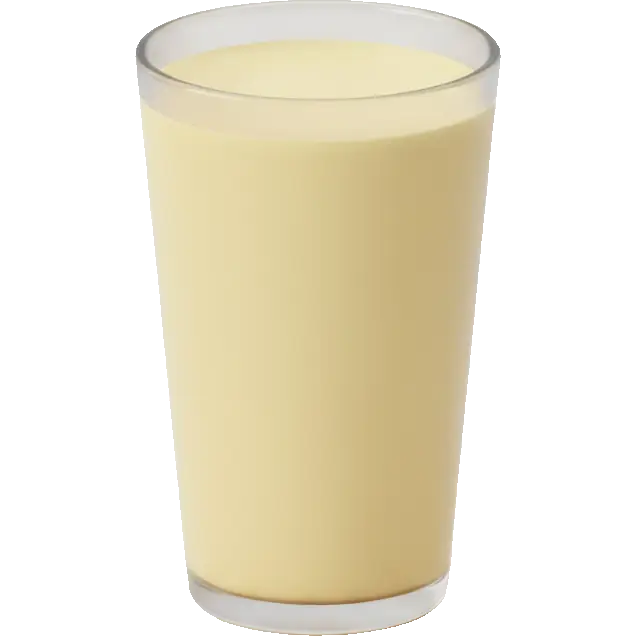
| Condensed milk | Sweetened condensed cow’s milk is very high in lactose; tiny (~1 tsp) amounts may be tolerated but standard serves are high FODMAP. Not AIP; vegetarian OK. |
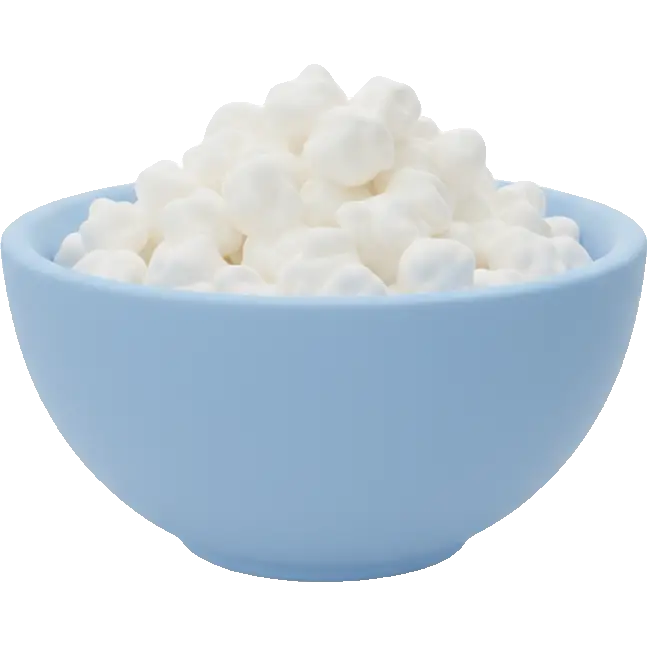
| Cottage cheese | Cottage cheese is fresh curdy cheese. A mild lumpy cheese with high moisture. |
| Cream | Cream is the high-fat layer from milk. A rich dairy product for cooking and coffee. |
| Cream cheese | Cream cheese is soft spreadable cheese. A mild tangy cheese for bagels and baking. |
| Cream gravy | Usually made with wheat flour and milk/butter (plus pan drippings). Contains gluten and lactose; often onion/garlic too. |
| Evaporated milk | Concentrated milk → high lactose per serve; usually not suitable during elimination unless lactose‑free. |
| Fresh cheese | Also known as just 'cheese'. Generic fresh cheese. Contains dairy proteins and varying lactose levels. |
| Goat milk and dairy | Goat milk and dairy is products from goats. A digestible alternative to cow dairy. |
| Half-and-half | Dairy blend (milk+cream) with moderate lactose—often not tolerated on elimination. |
| Hot chocolate | Cocoa + milk/sugar; lactose and caffeine/oxalate can be triggers—use lactose-free milk if needed. |
| Kefir | Kefir is fermented probiotic milk drink. A tangy drinkable yogurt-like beverage. |
| Lactose | Lactose is milk sugar, added as an ingredient to chocolate, bars and processed foods; the FODMAP that lactose-intolerant people react to. |
| Lassi | Yogurt-based drink; lactose depends on culture/time—often moderate/high FODMAP unless lactose‑free. |
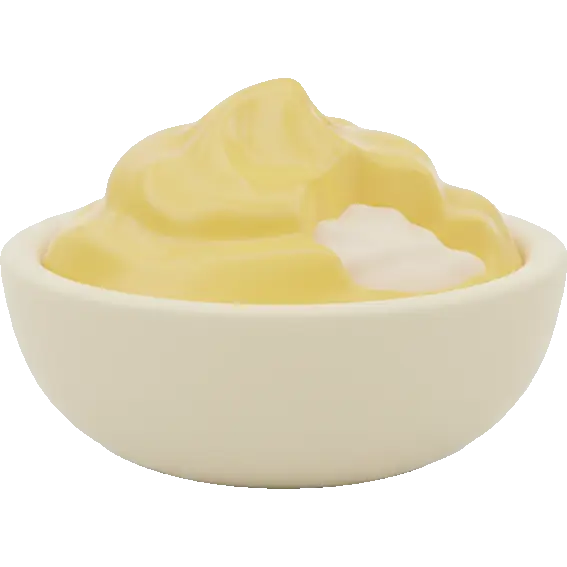
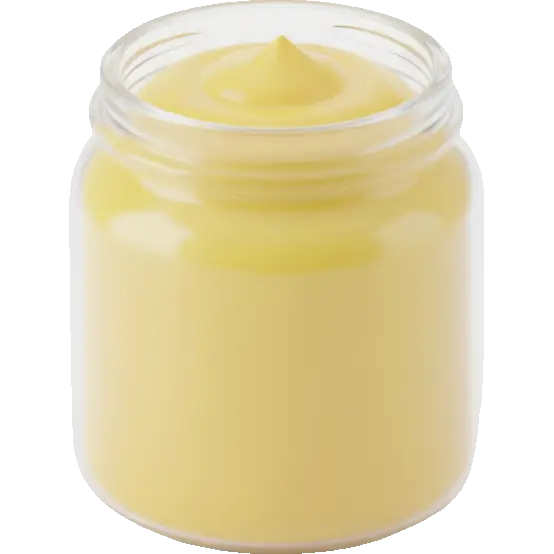
| Lemon curd | Butter‑ and egg‑based spread with sugar; lactose present unless made lactose‑free. |
| Matcha latte | Typically matcha + cow’s milk → lactose and dairy proteins. Can be made low FODMAP with lactose‑free or plant milks. |
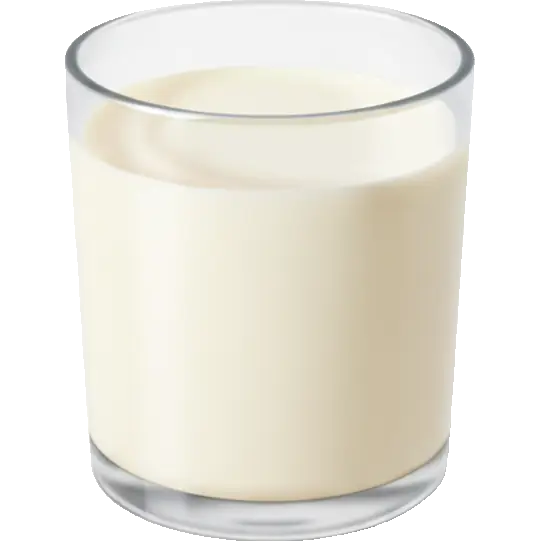
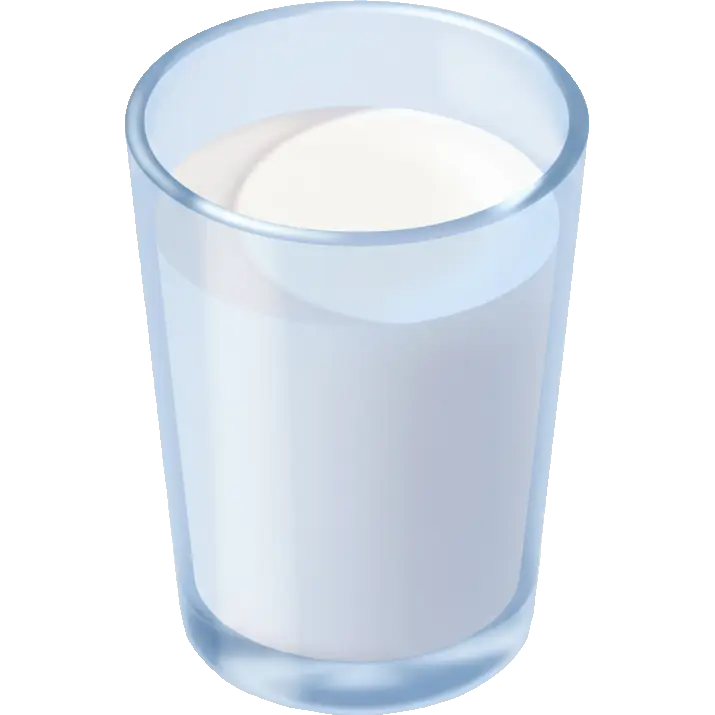
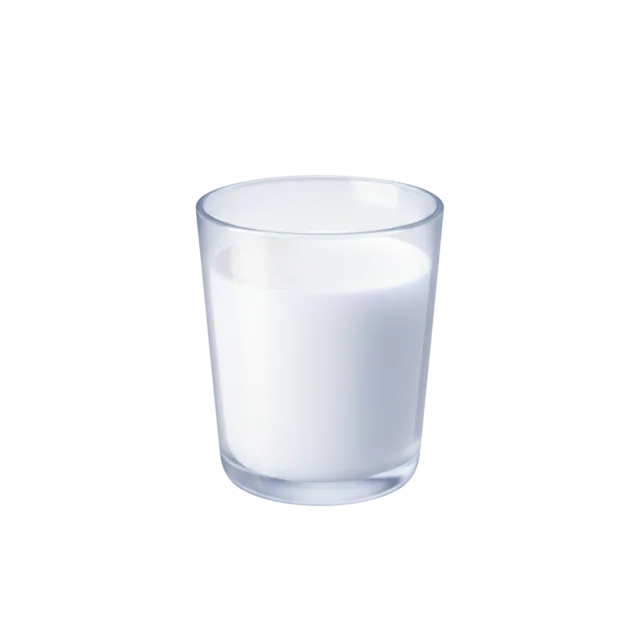
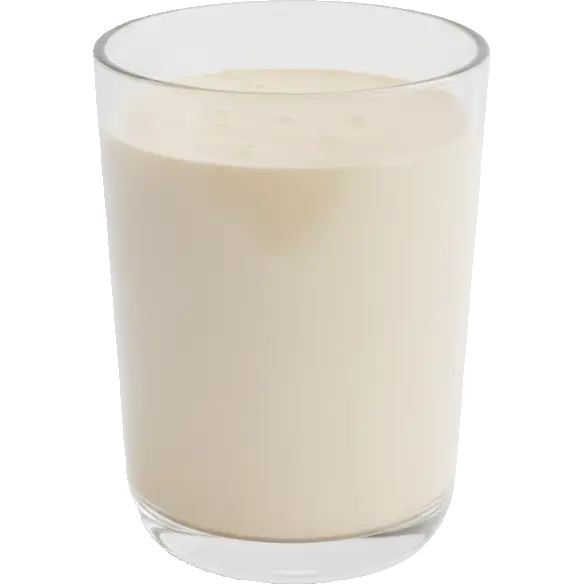
| Milk | Standard dairy milk from cows. Contains lactose and dairy proteins. |
| Milk chocolate | 30-40% cocoa. Low FODMAP at 20g (lactose limiting). Lower oxalate than dark but contains dairy proteins. Watch for barley malt. High sugar offsets flavanol benefits. |
| Milkshake | Typically milk + ice cream + syrup → high lactose and sugar. Choose lactose‑free/plant‑milk versions if needed. |
| Powdered milk | Very high lactose; concentrated dairy proteins. Choose lactose-free if needed. |
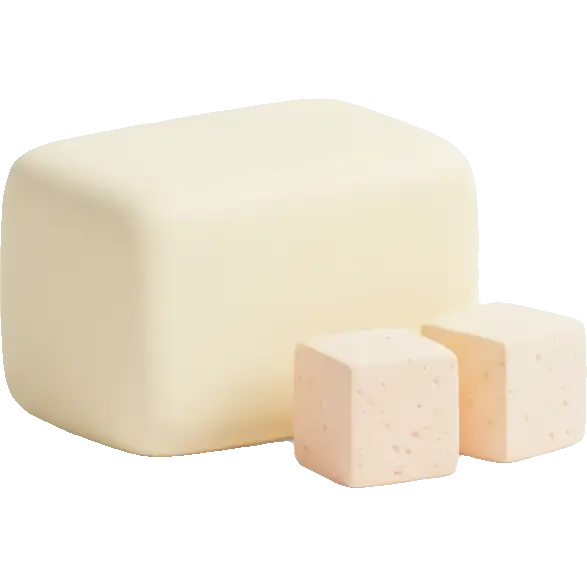
| Queso blanco | Fresh cheese; moderate lactose; typically lower histamine than aged cheeses. |
| Queso fresco | Fresh, crumbly cheese; usually higher lactose than aged cheeses; lower histamine than aged. |
| Ricotta cheese | Ricotta is Italian whey cheese. A light creamy cheese for pasta and desserts. |
| Sheep milk and dairy | Sheep milk and dairy is products from sheep. A rich fatty alternative to cow dairy. |
| Skim milk powder | Dehydrated skim milk; very high lactose per gram—small amounts can exceed low-FODMAP thresholds. |
| Tortellini | Wheat pasta + cheese/meat filling → gluten + lactose. Choose GF, lactose-free versions if needed. |
| Turmeric latte | Usually dairy-based; choose lactose-free/plant milk (soy-protein, almond) and avoid honey if sensitive. Turmeric itself is low-FODMAP and has anti-inflammatory properties. |
| Yogurt | Yogurt is fermented milk with cultures. A tangy creamy dairy eaten plain or flavored. |


Moderate · 19 foods
| Food | Notes |
|---|---|
| Blue cheese dressing | Typically contains blue cheese + buttermilk/sour cream and often garlic/onion. FODMAP and lactose depend on brand; check labels. |
| Caesar dressing | Classic Caesar uses anchovy, egg yolk, Parmesan and garlic (fructans) → not vegan/vegetarian and often high FODMAP. Fish, egg & milk are major allergens. |
| Casein protein | Milk protein powder; usually low in lactose but content varies by brand — check labels. Not suitable for milk‑protein allergy. |
| Chevre | Soft goat cheese contains lactose; small serves may be tolerated. Aged goat cheeses are lower‑lactose. |
| Greek yogurt | Strained yogurt with reduced lactose; moderate at common serves—check tolerance and portion. |
| Heavy cream | High-fat dairy with relatively low lactose; portion size matters on low FODMAP. |
| Horchata | Rice- or tigernut-based sweet drink; some versions include milk—FODMAPs vary by recipe/serve. |
| Horseradish sauce | Often mayo/cream-based with vinegar/sugar; many add onion/garlic—brand-dependent. |
| Light cream | Lower‑fat cream still contains lactose; portion‑dependent on low FODMAP. |
| Margarine | Usually plant oils + emulsifiers. Many brands are dairy-free/vegan, but some contain milk solids or flavors—check label. |
| Mozzarella | Fresh Italian cheese made from buffalo or cow milk. Low lactose in aged versions. |
| Paneer | Fresh cheese; moderate lactose—watch portion on low FODMAP. |
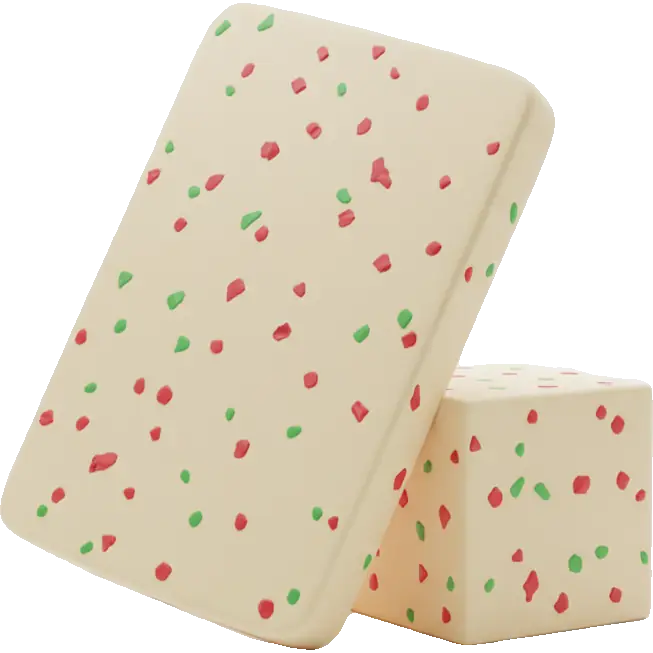
| Pepper jack | Semi-soft cheese (with chili). Lower lactose than milk but not as low as aged hard cheeses; aged cheeses can be problematic for histamine-sensitive folks. |
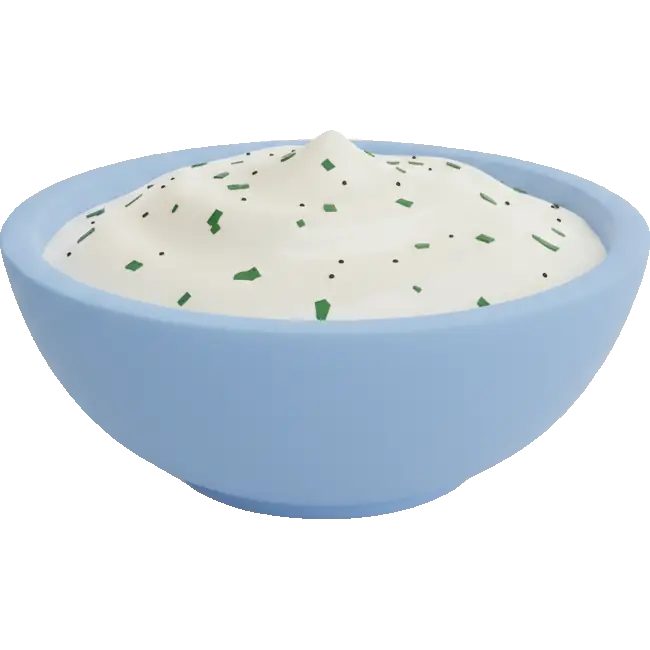
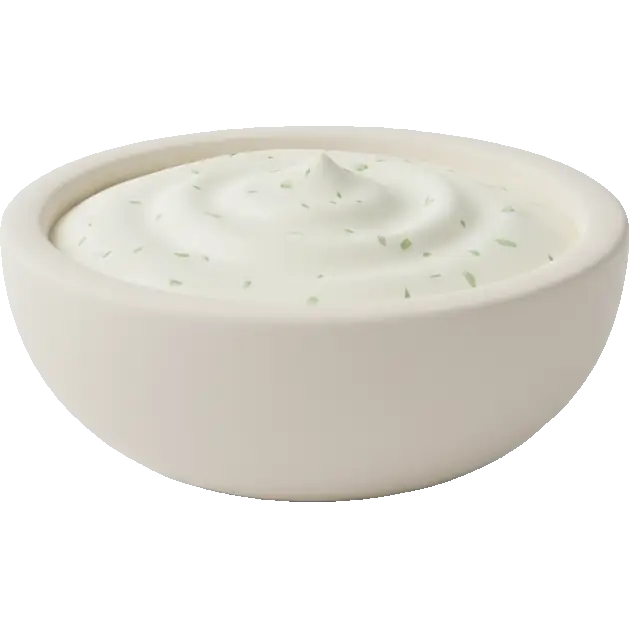
| Ranch dressing | Often contains buttermilk + garlic/onion powder; many brands are gluten-free but check labels. |
| Sheep cheese | Varies by style: aged sheep cheeses (e.g., Pecorino, Manchego) are typically low in lactose; fresh cheeses (ricotta) higher. Aged cheeses can be tyramine/histamine rich. |
| Skyr | Icelandic strained yogurt; lactose reduced but not zero (varies by brand). Some brands add lactase (lactose-free). |
| Tzatziki | Classic tzatziki contains yoghurt (lactose) and garlic (fructans). Low-FODMAP versions use lactose-free yoghurt and garlic-infused oil. |
| Whey protein | Isolate has much lower lactose than concentrate; check label for lactose grams/serve and added sweeteners. |
| Whipped cream | Small serves can be low FODMAP; portions matter. Contains lactose and dairy proteins. |


How to test it on your own evidence
The useful question is how much you can have, and in what form.
Cut dairy for two weeks, then bring it back deliberately. Start with a hard aged cheese, which is nearly lactose-free, so a reaction to it points at dairy protein. Then try yoghurt. Then a small glass of milk with a meal, then a larger one on its own.
Write down the amount, not only the food. Someone who can eat cheese and yoghurt happily but reacts to a latte has learned something specific and useful, and that is a very different life from cutting dairy altogether.
If hard cheese and butter also cause trouble, lactose is probably not the culprit. Dairy protein is the next thing to investigate.
Journal your day in 30 seconds, find your triggers.


Check any food in seconds
The lactose checker grades any food in our database, and every food on this page links to its own page with the rest of what it carries.
Where Triggerbites fits in
This list comes from the food data inside Triggerbites. The app grades every ingredient for lactose, and separately for dairy protein, alongside FODMAPs, histamine, allergens, additives and more. Lactose and dairy protein are different problems with different answers, so the app keeps them apart.
You type or say your day the way you'd tell a friend: "porridge with milk and a latte for breakfast, a cheese sandwich and a Coke Zero for lunch, bloated and crampy by mid-afternoon". Triggerbites pulls out the ingredients, finds packaged products by name, and lines lactose and dairy protein up against your symptoms. After a few weeks of that you can see whether your bad days follow the latte or the cheddar, and you can export the record as a PDF for your doctor or dietitian.




Triggerbites Features
- Log your day in 30 seconds: Text, voice or photo. Log as you go, or recap it all in the evening.
- Your food, broken down: Meals become ingredients and sensitivity profiles: histamine, salicylates, FODMAPs, allergens, and even the additives on packaged food.
- Everything in the same journal: Symptoms, supplements, sleep, stress, exercise and mood, beside what you ate.
- See what repeats over time: Patterns between what you eat and how you feel, including delayed reactions that show up days later.
Common questions
What foods are highest in lactose?

Milk, soft and fresh cheeses such as ricotta and cottage cheese, cream cheese, ice cream, milkshakes and milky coffee. Anything fresh, liquid and unfermented sits at the top, because nothing has had a chance to break the lactose down yet.
Can I eat cheese if I am lactose intolerant?
Hard aged cheeses such as parmesan, mature cheddar and gruyere contain almost no lactose, because the bacteria consumed it during ageing. Most people who are lactose intolerant handle them without any trouble at all.
How much lactose can I have?
Most people with lactose intolerance tolerate about 12 grams in one sitting, roughly a glass of milk, and more when it is spread through the day or eaten with other food. Complete avoidance is rarely necessary and often counterproductive.
Why is yoghurt easier than milk?
Two reasons. The live cultures consume some of the lactose during fermentation, and they carry their own lactase which keeps working in your gut. Yoghurt with live cultures is usually tolerated far better than the milk it came from.
Is lactose intolerance the same as a milk allergy?
No, and confusing them is common. Lactose intolerance is a missing enzyme and causes digestive symptoms. A milk allergy is an immune reaction to dairy protein and can be serious. If hard cheese and butter also cause trouble, dairy protein is the likely problem, since both carry very little lactose.
Does lactose intolerance get worse with age?
Lactase production usually declines gradually through adulthood, so tolerance can shrink over years. It also fluctuates: a gut infection or a course of antibiotics can reduce it temporarily and it often recovers afterwards.
Live, love, log. 🧡
References
- 1National Institute of Diabetes and Digestive and Kidney Diseases "Definition & Facts for Lactose Intolerance"NIDDK
- 2Katoch GK, et al. "Lactose intolerance and its dietary management: an update" Journal of the American Nutrition Association, 2022PubMed
 NIDDK
Article References and Citations
- National Institute of Diabetes and Digestive and Kidney Diseases: "Definition & Facts for Lactose Intolerance" - https://www.niddk.nih.gov/health-information/digestive-diseases/lactose-intolerance/definition-facts
- Katoch GK, et al.: "Lactose intolerance and its dietary management: an update", Journal of the American Nutrition Association, 2022 - https://pubmed.ncbi.nlm.nih.gov/33831336/