Alpha-gal syndrome: the food list, and the tick bite behind it
The only food allergy you catch from a tick. It targets red meat, and the reaction arrives hours later.
Alpha-gal syndrome is the only food allergy anyone knows of that you catch from a tick bite. It makes people allergic to red meat, and the reaction arrives hours after eating. It went unrecognised for decades because nothing about it behaves like a normal food allergy.
Below is the full list of ingredients our database grades for alpha-gal, with how a tick bite starts it and why the reaction takes hours to show up.
What alpha-gal is
Galactose-alpha-1,3-galactose is a sugar molecule found in the tissue of most mammals. Humans and the other great apes do not make it, which is the whole reason it can become a target.
A tick that has fed on a deer or a cow can carry that sugar in its saliva. When it bites you, your immune system meets alpha-gal in a context that looks like a threat, and some people go on to produce antibodies against it.1 From then on, mammal meat can trigger an allergic reaction.
In the United States the lone star tick is the main culprit. Other species are implicated in Europe, Australia and Asia.
Why alpha-gal is so often missed
The first thing that hides it is the delay. Most food allergies announce themselves within minutes. Alpha-gal reactions typically arrive three to six hours after eating, so the trigger is a meal you have stopped thinking about.2 People wake at two in the morning with hives and no idea why.
The second is that the trigger is a category nobody suspects. Someone who has eaten beef their whole life does not consider beef, and the reaction is intermittent enough that it looks like bad luck for a long while.
What it affects
Mammal meat is the core: beef, pork, lamb, venison, goat, rabbit. Bacon, sausage and cured meat count, as does gelatine, which is made from mammal collagen.
Dairy and mammal-derived products vary by person. Some people react to milk, cream and cheese; many do not. Organ meats carry more alpha-gal than muscle meat and tend to cause stronger reactions.
Poultry and fish are safe. Neither birds nor fish are mammals, so chicken, turkey, duck and all seafood are fine.
Two things worth knowing beyond food: gelatine appears in capsules, sweets and some vaccines, and the drug cetuximab caused the reactions that first led researchers to the molecule.
The foods that contain alpha-gal
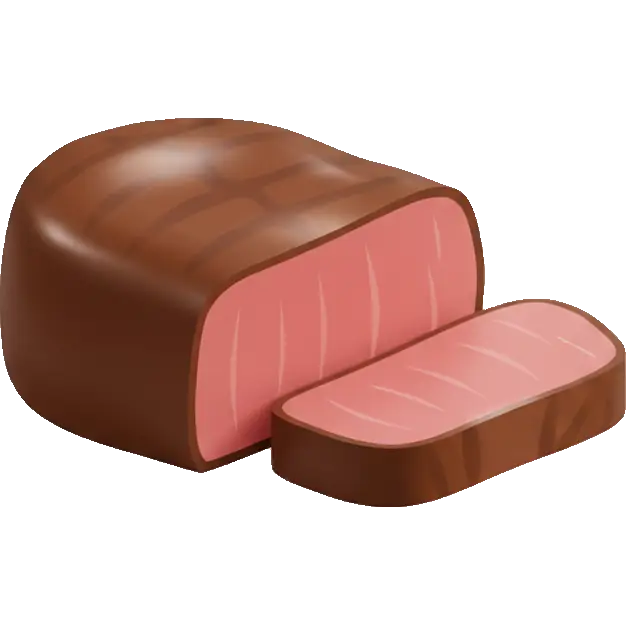
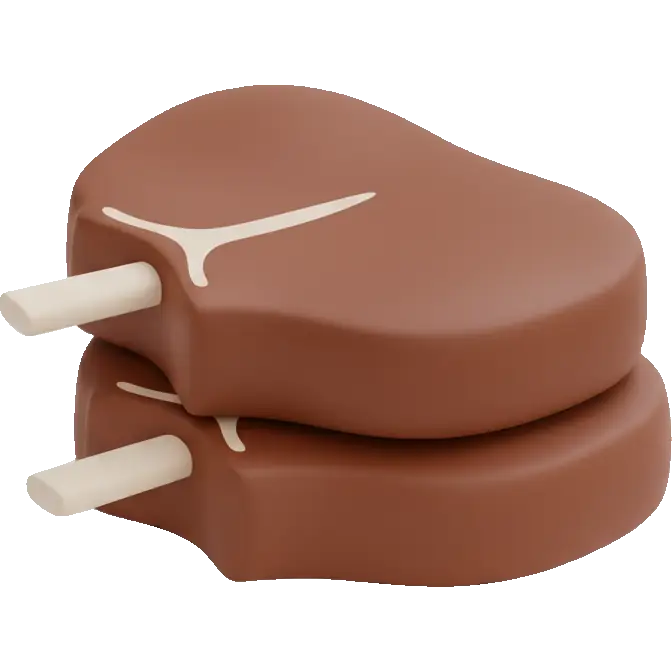
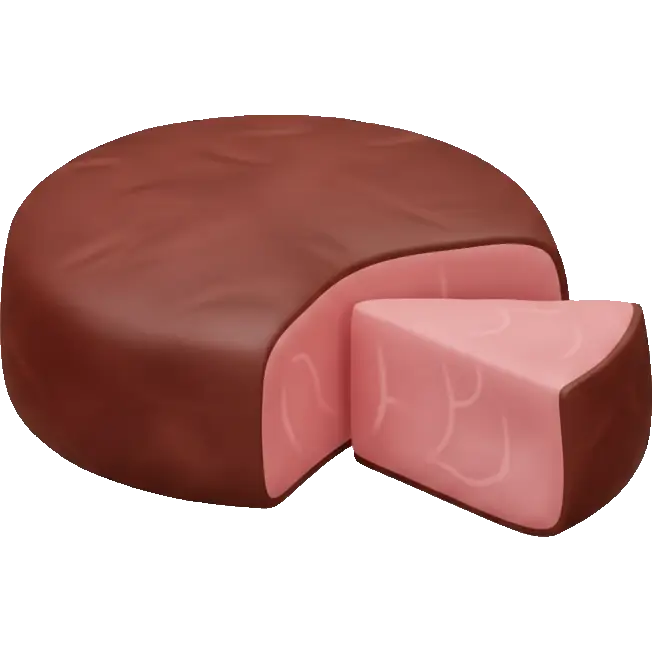
The alpha-gal foods most people eat regularly:
Journal your day.
Find your personal triggers.
Triggerbites checks every food you log for alpha-gal and shows which ones your symptoms follow.

The complete list
Every ingredient our database grades for alpha-gal, highest first. Each one links to its own page.
Worth avoiding42 foods

| Food | Notes |
|---|---|
| Antelope | Plain game meats are FODMAP‑free and gluten‑free; watch added marinades/sausages. |
| Bacon | Usually cured with nitrites/nitrates; some brands add sugar/garlic. Processed meats are discouraged on heart-healthy diets; choose additive-free where possible. |
| Bear | Wild game meat is FODMAP-free. MUST be thoroughly cooked (≥71–74°C/160–165°F) to avoid Trichinella parasites—freezing isn’t reliable for bear. |
| Beef | Beef is meat from cattle. A red meat staple consumed worldwide in many cuts. |
| Beef liver | Nutrient-dense organ meat (iron, vitamin A). FODMAP-free; use very fresh to minimise biogenic amines if sensitive. |
| Beef protein | Dairy-free protein powder from beef; often hydrolysed collagen rather than muscle (very high glycine and low leucine on the label is the tell). No lactose or dairy protein so a common whey swap. Hydrolysis frees amino acids so histamine and tyramine and free glutamate can run higher than fresh beef; flavoured blends may add sweeteners or cut in whey so check the label. |
| Beef steak | Fresh beef is FODMAP-free. Dry-aged beef can be higher in histamine; choose fresh cuts if histamine-sensitive. |
| Beef tallow | Pure fat contains no FODMAPs. Very high in saturated fat—less aligned with DASH and Mediterranean patterns. |
| Bison | Bison is meat from American buffalo. A lean red meat similar to beef but richer. |
| Boar | Treat like pork/game: FODMAP‑free. Cook thoroughly; wild boar should be tested/handled to avoid Trichinella. |
| Buffalo | Buffalo is meat from water buffalo or bison. A lean red meat popular in many cultures. |
| Buffalo meat | Lean red meat; FODMAP‑free protein. Choose lean cuts; cook to preference. |
| Camel | Lean red meat; naturally FODMAP‑free. Nutrition comparable to other red meats. |
| Elk | Elk is lean game meat from elk deer. A mild tender red meat similar to venison. |
| Goat meat | Lean red meat when trimmed; FODMAP-free. Ensure freshness for histamine-sensitive folks. |
| Ground beef | Plain meat is FODMAP-free; watch seasonings and fillers in preformed patties. |
| Ham | Processed meat; often cured with nitrites and can be higher in histamine—choose nitrite-free where possible. |
| Homemade bone broth | Homemade bone broth is slow-simmered bones. A rich nutritious liquid base for cooking. |
| Kangaroo | Very lean red meat; naturally low FODMAP; rich in iron/protein. |
| Lamb | Lamb is meat from young sheep. A tender flavorful red meat with distinctive taste. |
| Lamb chops | Plain red meat; FODMAP‑free. |
| Lamb liver | Organ meat; nutrient-dense but higher in biogenic amines—watch if histamine‑sensitive. |
| Lard | Lard is rendered pig fat. A traditional cooking fat for baking and frying. |
| Moose | Lean wild game (red meat). No FODMAPs. As with all game, handle/cook properly; histamine increases in leftovers/aged meats. |
| Mutton | Plain meat; FODMAP-free. |
| Pork | Pork is meat from domestic pigs. A versatile white meat consumed worldwide. |
| Pork belly | Rich, fatty pork cut; FODMAP-free but high in saturated fat. Fresh meat is low histamine; cured bacon/char siu introduce nitrites and amines. |
| Pork chops | Lean pork cut; FODMAP-free. Choose unprocessed chops and cook fresh to keep histamine low. |
| Pork loin | Lean pork roast/steak; FODMAP-free. Trim visible fat; avoid cured preparations if nitrites are a concern. |
| Processed meat | Includes hot dogs sausages deli meats etc. |
| Prosciutto | Aged/cured meat → high histamine/tyramine. Traditional Parma uses only pork+salt (no nitrites). |
| Rabbit | Rabbit is lean white meat from rabbits. A mild tender meat similar to chicken. |
| Rabbit meat | Lean game meat; FODMAP‑free when plain. |
| Reindeer | Game meat similar to venison; low-FODMAP and nutrient-dense when lean and simply prepared. |
| Salami | Salami is cured fermented sausage. A seasoned dried meat sliced for sandwiches and charcuterie. |
| Sausage | Fresh or cured pork sausage; seasoning blends often include garlic and onion; cured versions add nitrites and higher histamine; check labels for gluten fillers. |
| Sheep tallow | Pure animal fat; FODMAP-free. Not vegan/vegetarian. High saturated fat. |
| Steak | Plain beef is FODMAP-free; issues arise mainly from marinades or processing. |
| Veal | Unprocessed meats are FODMAP-free. Aged meats can have more biogenic amines (histamine/tyramine). |
| Venison | Venison is meat from deer. A lean rich game meat with earthy flavor. |
| Venison steaks | Lean red meat; FODMAP-free. As with all meats, freshness reduces histamine risk. |
| Wild boar | Unprocessed meats are FODMAP-free; keep very fresh to minimize histamine. |

Moderate70 foods
| Food | Notes |
|---|---|
| Aged cheese | Aged cheese is cheese matured over time. A sharp flavorful cheese with developed taste. |
| Blue cheese | Aged cheese: lactose is minimal; but high in tyramine and biogenic amines—avoid with MAOIs and histamine intolerance. Most blue cheeses test gluten-free; check rennet if vegetarian. |
| Blue cheese dressing | Typically contains blue cheese + buttermilk/sour cream and often garlic/onion. FODMAP and lactose depend on brand; check labels. |
| Butter | Butter is churned cream fat. A rich dairy fat used in cooking and baking worldwide. |
| Butterfat | Clarified butter/ghee is almost pure fat with negligible lactose; traces of casein may remain—avoid if dairy‑protein allergic. |
| Buttermilk | Fermented dairy; still contains lactose unless specifically lactose‑free. |
| Caesar dressing | Classic Caesar uses anchovy, egg yolk, Parmesan and garlic (fructans) → not vegan/vegetarian and often high FODMAP. Fish, egg & milk are major allergens. |
| Caramel sauce | Usually sugar + butter/cream → contains lactose; very sugary. |
| Casein protein | Milk protein powder; usually low in lactose but content varies by brand — check labels. Not suitable for milk‑protein allergy. |
| Cheddar cheese | Cheddar cheese is a firm aged English cheese. A sharp tangy cheese in many varieties. |
| Cheese | Generic cheese. Lactose content varies by type; aged cheeses are typically lower in lactose. |
| Chevre | Soft goat cheese contains lactose; small serves may be tolerated. Aged goat cheeses are lower‑lactose. |
| Clarified butter | Ghee is virtually lactose‑free and low FODMAP; still contains trace milk proteins. |
| Clotted cream | Very high‑fat dairy spread; still contains lactose—often not tolerated on elimination. |
| Colby cheese | Colby cheese is a mild American cheese. A soft orange cheese similar to cheddar. |
| Colby jack | Semi‑soft cheese; generally low in lactose but higher in biogenic amines. |
| Condensed milk | Sweetened condensed cow’s milk is very high in lactose; tiny (~1 tsp) amounts may be tolerated but standard serves are high FODMAP. Not AIP; vegetarian OK. |
| Cottage cheese | Cottage cheese is fresh curdy cheese. A mild lumpy cheese with high moisture. |
| Cream | Cream is the high-fat layer from milk. A rich dairy product for cooking and coffee. |
| Cream cheese | Cream cheese is soft spreadable cheese. A mild tangy cheese for bagels and baking. |
| Cream gravy | Usually made with wheat flour and milk/butter (plus pan drippings). Contains gluten and lactose; often onion/garlic too. |
| Evaporated milk | Concentrated milk → high lactose per serve; usually not suitable during elimination unless lactose‑free. |
| Feta | Brined cheese; lactose is lower than milk and small 40 g serves are typically low FODMAP. |
| Fresh cheese | Also known as just 'cheese'. Generic fresh cheese. Contains dairy proteins and varying lactose levels. |
| Ghee | Ghee is clarified butter from South Asia. A nutty aromatic cooking fat with high smoke point. |
| Goat cheese | Goat cheeses vary: fresh chèvre has more lactose; aged versions have little lactose but are high in histamine/tyramine. Contains dairy proteins. |
| Goat milk and dairy | Goat milk and dairy is products from goats. A digestible alternative to cow dairy. |
| Gorgonzola | Blue cheese; very high in histamine/tyramine and natural glutamates. Lactose is typically very low, but contains dairy proteins. |
| Gravy | Traditional gravies often contain wheat flour and onion/garlic; packet mixes may add MSG/sulfites. Gluten-free low-FODMAP versions exist. |
| Greek yogurt | Strained yogurt with reduced lactose; moderate at common serves—check tolerance and portion. |
| Half-and-half | Dairy blend (milk+cream) with moderate lactose—often not tolerated on elimination. |
| Halloumi | Lower-lactose cheese with salty profile; Monash lists a small low FODMAP serve—watch histamine. |
| Havarti | Aged/semi-soft cheese; typically low in lactose but higher in biogenic amines (histamine/tyramine). |
| Heavy cream | High-fat dairy with relatively low lactose; portion size matters on low FODMAP. |
| Hot chocolate | Cocoa + milk/sugar; lactose and caffeine/oxalate can be triggers—use lactose-free milk if needed. |
| Kefir | Kefir is fermented probiotic milk drink. A tangy drinkable yogurt-like beverage. |
| Lactose-free cheese | Cheese with the lactose removed or naturally aged out; casein and whey remain so it is not dairy-free. |
| Lactose-free milk | Enzymatically treated cow’s milk (lactose removed) → low FODMAP; still contains dairy proteins. |
| Lactose-free yogurt | Dairy yogurt treated with lactase; lactose removed but casein and whey remain; not dairy-free. |
| Lassi | Yogurt-based drink; lactose depends on culture/time—often moderate/high FODMAP unless lactose‑free. |
| Lemon curd | Butter‑ and egg‑based spread with sugar; lactose present unless made lactose‑free. |
| Light cream | Lower‑fat cream still contains lactose; portion‑dependent on low FODMAP. |
| Manchego | Aged sheep's cheese; very low lactose (often tolerated on low FODMAP in small serves). Contains dairy proteins and biogenic amines. |
| Mascarpone | Fresh Italian cheese, very low in carbs → typically low lactose. Rich in fat; contains dairy proteins and some biogenic amines. |
| Milk | Standard dairy milk from cows. Contains lactose and dairy proteins. |
| Milk chocolate | 30-40% cocoa. Low FODMAP at 20g (lactose limiting). Lower oxalate than dark but contains dairy proteins. Watch for barley malt. High sugar offsets flavanol benefits. |
| Milkshake | Typically milk + ice cream + syrup → high lactose and sugar. Choose lactose‑free/plant‑milk versions if needed. |
| Monterey jack | Semi‑hard cow’s cheese; low lactose at usual serves. Contains dairy proteins and moderate natural glutamates/biogenic amines. |
| Mozzarella | Fresh Italian cheese made from buffalo or cow milk. Low lactose in aged versions. |
| Paneer | Fresh cheese; moderate lactose—watch portion on low FODMAP. |
| Parmesan | Aged hard cheese; very low lactose but high in biogenic amines (histamine/tyramine). |
| Parmesan cheese | Parmesan cheese is aged Italian hard cheese. A nutty savory cheese for pasta. |
| Pepper jack | Semi-soft cheese (with chili). Lower lactose than milk but not as low as aged hard cheeses; aged cheeses can be problematic for histamine-sensitive folks. |
| Pesto | Typically basil, garlic, pine nuts, Parmesan, and olive oil. Garlic drives FODMAPs; garlic-infused oil versions are friendlier. |
| Powdered milk | Very high lactose; concentrated dairy proteins. Choose lactose-free if needed. |
| Provolone | Aged semi-hard cheese: low lactose but high histamine/tyramine and natural glutamates. |
| Queso blanco | Fresh cheese; moderate lactose; typically lower histamine than aged cheeses. |
| Queso fresco | Fresh, crumbly cheese; usually higher lactose than aged cheeses; lower histamine than aged. |
| Ranch dressing | Often contains buttermilk + garlic/onion powder; many brands are gluten-free but check labels. |
| Ricotta cheese | Ricotta is Italian whey cheese. A light creamy cheese for pasta and desserts. |
| Sheep cheese | Varies by style: aged sheep cheeses (e.g., Pecorino, Manchego) are typically low in lactose; fresh cheeses (ricotta) higher. Aged cheeses can be tyramine/histamine rich. |
| Sheep milk and dairy | Sheep milk and dairy is products from sheep. A rich fatty alternative to cow dairy. |
| Skim milk powder | Dehydrated skim milk; very high lactose per gram—small amounts can exceed low-FODMAP thresholds. |
| Skyr | Icelandic strained yogurt; lactose reduced but not zero (varies by brand). Some brands add lactase (lactose-free). |
| Sour cream | Default mapping by category; specific lab data limited—use conservative portions. |
| Tortellini | Wheat pasta + cheese/meat filling → gluten + lactose. Choose GF, lactose-free versions if needed. |
| Tzatziki | Classic tzatziki contains yoghurt (lactose) and garlic (fructans). Low-FODMAP versions use lactose-free yoghurt and garlic-infused oil. |
| Whey protein | Isolate has much lower lactose than concentrate; check label for lactose grams/serve and added sweeteners. |
| Whipped cream | Small serves can be low FODMAP; portions matter. Contains lactose and dairy proteins. |
| Yogurt | Yogurt is fermented milk with cultures. A tangy creamy dairy eaten plain or flavored. |


Getting it confirmed
Confirming alpha-gal is a job for a doctor. A specific IgE blood test for alpha-gal exists and is reliable, so if the pattern above sounds like you, ask for it by name.
A test matters more here than with most intolerances, because reactions can be severe and a positive result changes how you handle gelatine in medication as well as what you order at dinner.
Alpha-gal sensitivity often fades over years if you avoid further tick bites, and some people regain tolerance. It is worth retesting after a while to see whether yours has changed.
Check any food in seconds
The alpha-gal checker grades any ingredient in our database, and every ingredient on this page links to a page of its own with the rest of what it carries.
Where Triggerbites fits in
This list comes from the food data inside Triggerbites. The app grades every ingredient for alpha-gal, and for the 14 EU allergens, FODMAPs, histamine, additives and more.
The delay is why a written record helps with alpha-gal. You journal your day in plain words or by voice, in about 30 seconds: "a ham sandwich and a coffee for lunch, a burger and chips for dinner, woke at two with hives." The app pulls out the pork and the beef, flags each for alpha-gal, and compares the hives with what you ate in the hours and days before. Gelatine in sweets and packaged food counts too, since the app recognises products by name and reads their ingredients. Export a few weeks of it as a PDF and you have a clear record for the doctor who orders the blood test.




Triggerbites Features
- Log your day in 30 seconds: Text, voice or photo. Log as you go, or recap it all in the evening.
- Your food, broken down: Meals become ingredients and sensitivity profiles: histamine, salicylates, FODMAPs, allergens, and even the additives on packaged food.
- Everything in the same journal: Symptoms, supplements, sleep, stress, exercise and mood, beside what you ate.
- See what repeats over time: Patterns between what you eat and how you feel, including delayed reactions that show up days later.
Common questions
What foods contain alpha-gal?
Mammal meat of every kind: beef, pork, lamb, venison, goat and rabbit, including bacon, sausage and cured meat. Gelatine counts because it is made from mammal collagen. Organ meats carry more than muscle meat.
Can I still eat chicken and fish with alpha-gal syndrome?
Yes. Birds and fish are not mammals and do not carry the molecule, so chicken, turkey, duck and all seafood are safe. This is what makes alpha-gal manageable compared with allergies that cut across whole food groups.
How long after eating does an alpha-gal reaction start?
Typically three to six hours, which is why it goes unrecognised for so long. People wake in the night with hives or stomach symptoms and have no reason to connect it to dinner.
How is alpha-gal syndrome diagnosed?
A specific IgE blood test for alpha-gal, which is reliable and widely available. Ask for it by name. Reactions can be severe, so this is a diagnosis for a doctor and a blood test, and an elimination diet is the wrong tool for it.
Does dairy affect people with alpha-gal?
It varies. Some people react to milk, cream and cheese because they come from mammals, and many do not. It is worth testing dairy on its own.
Does alpha-gal syndrome go away?
Often, slowly, if you avoid further tick bites. Antibody levels tend to fall over months and years and some people regain tolerance. It is worth retesting periodically to see whether yours has faded.
Live, love, log. 🧡
References
- 1
- 2Journal of Allergy and Clinical Immunology "Delayed anaphylaxis to red meat in patients with IgE specific for galactose alpha-1,3-galactose"PubMed
 CDC
Article References and Citations
- Centers for Disease Control and Prevention: "Alpha-gal Syndrome" - https://www.cdc.gov/ticks/alpha-gal/index.html
- Journal of Allergy and Clinical Immunology: "Delayed anaphylaxis to red meat in patients with IgE specific for galactose alpha-1,3-galactose" - https://pubmed.ncbi.nlm.nih.gov/19070355/