
soy beans
Legumes/Pulses
Is soy beans whole30-compatible?
See whether soy beans fits a whole30 diet, with a clear compatible-or-avoid verdict plus its FODMAP, histamine and other trigger ratings in one place.
Related checkers
Compare soy beans across criteria
Sensitivity notes
Why whole30 diet checker matters
Whole30 affects how your body responds to certain foods. Understanding your personal tolerance helps you make informed choices.
- Keep a detailed food and symptom diary to track your personal reactions
- Eliminate the suspected trigger completely for 2-4 weeks
- Reintroduce gradually to find your personal tolerance threshold
- Work with a healthcare provider or registered dietitian for guidance
- Remember that food sensitivities can change over time
Sensitivities
What soy beans contains
FODMAPs
Histamine & Amines
Plant compounds
Irritants
Additives
Allergens
Diet fit
Where soy beans fits
Therapeutic diets
Lifestyle diets
Religious diets
What to know about soy beans
Whole soybeans (the mature bean, distinct from tofu, edamame or soy milk) are high in galacto-oligosaccharides, the GOS FODMAP, and they carry the highest possible nickel rating, making them one of the strongest dietary nickel sources for anyone with systemic nickel allergy. Soy is also one of the major food allergens and a recognised eosinophilic esophagitis (EoE) trigger, so whole soybeans can be a problem on both a gut-FODMAP and an immune level.
Watch for
- High in galacto-oligosaccharides (GOS), so whole soybeans ferment in the gut and cause bloating and wind in FODMAP-sensitive people
- Highest nickel rating, a real concern for systemic nickel allergy since soy is among the most nickel-dense foods
- A major food allergen and a common eosinophilic esophagitis (EoE) trigger, so soy is one of the foods removed on an EoE elimination diet
- High in lectins when raw or undercooked; soybeans must be thoroughly cooked



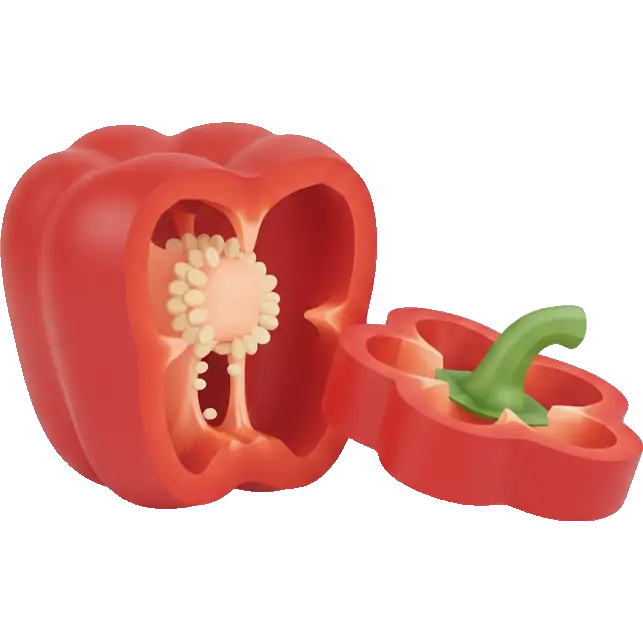



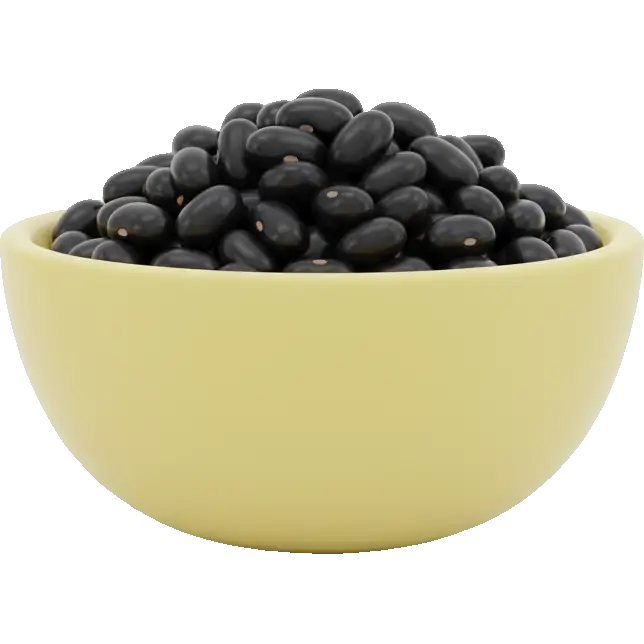
Explore related in Legumes/Pulses
Compare similar foods to build a personalized list of swaps that work for your system.





Whole30 Guide
Everything you need to know about whole30 compatibility and smart food choices.
Whole30 affects how your body responds to certain foods. Understanding your personal tolerance helps you make informed choices.
These foods are typically compatible with a Whole30 approach:
View all safe options




Practical guidance for following a Whole30 diet:
- 1Keep a detailed food and symptom diary to track your personal reactions
- 2Eliminate the suspected trigger completely for 2-4 weeks
- 3Reintroduce gradually to find your personal tolerance threshold
- 4Work with a healthcare provider or registered dietitian for guidance
- 5Remember that food sensitivities can change over time
Pro tip: Keep a food diary to track your reactions. The Triggerbites app makes this easy with automatic pattern detection.
Want personalized tracking?
Download Triggerbites to log meals, track symptoms, and discover your unique triggers.
Get the AppFAQ
Does soy beans fit a whole30 diet?
Whole30: avoid for strict plans.
What if I eat it occasionally?
Occasional use may break strict plans.
What are safer swaps?
Compare within the Legumes/Pulses group.