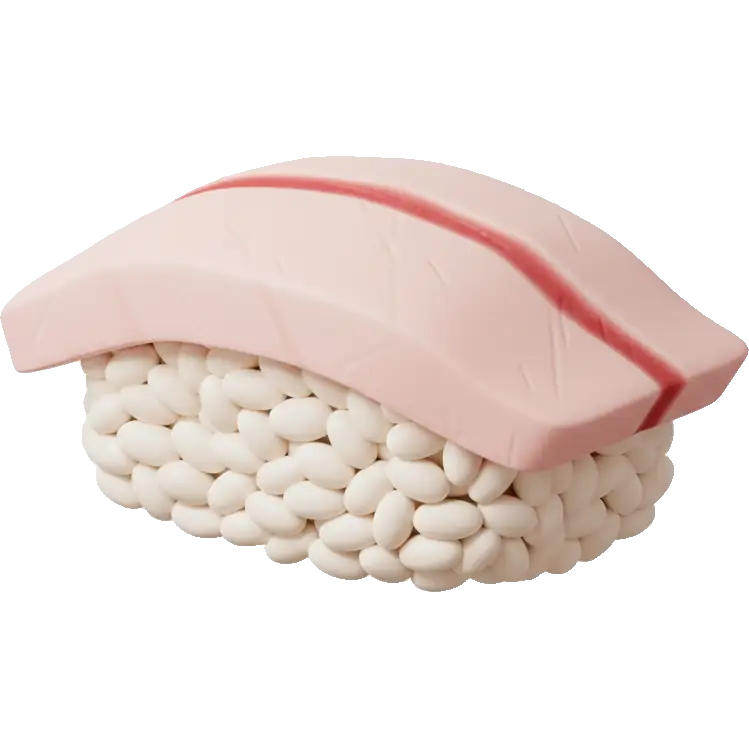
yellowtail
Seafood
Is yellowtail vegan-compatible?
See whether yellowtail fits a vegan diet, with a clear compatible-or-avoid verdict plus its FODMAP, histamine and other trigger ratings in one place.
Related checkers
Compare yellowtail across criteria
Sensitivity notes
Why vegan diet checker matters
A vegan diet excludes all animal products including meat, dairy, eggs, and honey. It focuses on plant-based foods like vegetables, fruits, grains, legumes, nuts, and seeds.
- Ensure adequate protein from varied plant sources
- Supplement B12 - it's essential and not available from plants
- Consider omega-3 from algae-based supplements
- Iron from plants requires vitamin C for better absorption
- Plan meals to ensure complete amino acid profiles
Sensitivities
What yellowtail contains
FODMAPs
Histamine & Amines
Plant compounds
Irritants
Additives
Allergens
Diet fit
Where yellowtail fits
Therapeutic diets
Lifestyle diets
Religious diets
What to know about yellowtail
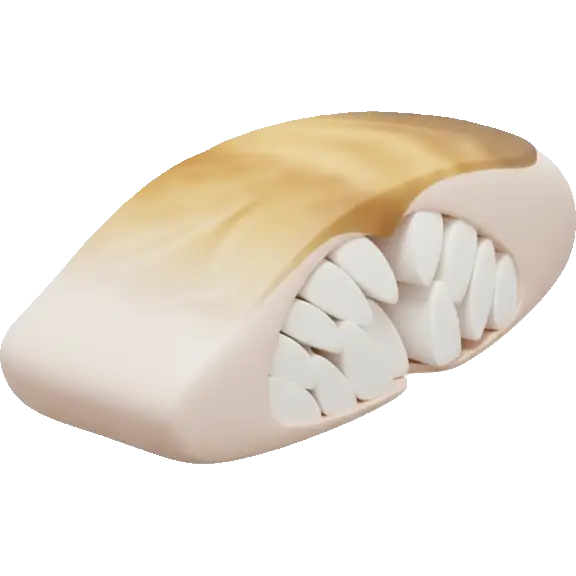
Yellowtail (hamachi or buri, the Seriola amberjacks) is graded moderate for histamine and mild for tyramine and free glutamate, and clean on salicylate, oxalate, nickel, gluten, dairy and every FODMAP group. The number that matters is not really the number: yellowtail is an oily, dark-muscled, fast-swimming fish, which puts it on the FDA scombrotoxin list alongside tuna and mackerel. Its histidine converts to histamine fast the moment the cold chain slips, so how the fish was chilled between the boat and your plate changes its trigger profile far more than the species does. Because it is mostly eaten raw as sashimi and nigiri, there is no cooking step in between, and cooking would not help anyway since histamine survives heat.
Watch for
- Moderate histamine as graded, but the real range is wide: Seriola quinqueradiata and Seriola lalandi are both named scombrotoxin-forming species, so a fillet that warmed up in transit can carry many times the histamine of a properly iced one
- Almost always served raw as hamachi sashimi, nigiri or crudo, so nothing in the preparation reduces amine load.Heat does not destroy histamine, so searing or grilling a suspect piece does not rescue it
- Mild tyramine and mild free glutamate, which is where the deep savoury flavour comes from.Both are worth noting if you are on an MAOI or if umami-heavy fish reliably sets you off
- Yellowtail is a market name, not one fish.Yellowtail snapper, yellowtail flounder and "yellowtail tuna" are unrelated species with different histamine behaviour. This grade describes Seriola
- Peppery or metallic tingling in the mouth within minutes of eating is the classic scombroid signature, not an allergy.It comes from the fish, not from you, and the same fish will do it to other people at the table





Explore related in Seafood
Compare similar foods to build a personalized list of swaps that work for your system.
Vegan Guide
Everything you need to know about vegan compatibility and smart food choices.
A vegan diet excludes all animal products including meat, dairy, eggs, and honey. It focuses on plant-based foods like vegetables, fruits, grains, legumes, nuts, and seeds.
These foods are typically compatible with a Vegan approach:
View all safe options




Practical guidance for following a Vegan diet:
- 1Ensure adequate protein from varied plant sources
- 2Supplement B12 - it's essential and not available from plants
- 3Consider omega-3 from algae-based supplements
- 4Iron from plants requires vitamin C for better absorption
- 5Plan meals to ensure complete amino acid profiles
Pro tip: Keep a food diary to track your reactions. The Triggerbites app makes this easy with automatic pattern detection.
Want personalized tracking?
Download Triggerbites to log meals, track symptoms, and discover your unique triggers.
Get the AppFAQ
Does yellowtail fit a vegan diet?
Vegan: avoid for strict plans.
What if I eat it occasionally?
Occasional use may break strict plans.
What are safer swaps?
Compare within the Seafood group.