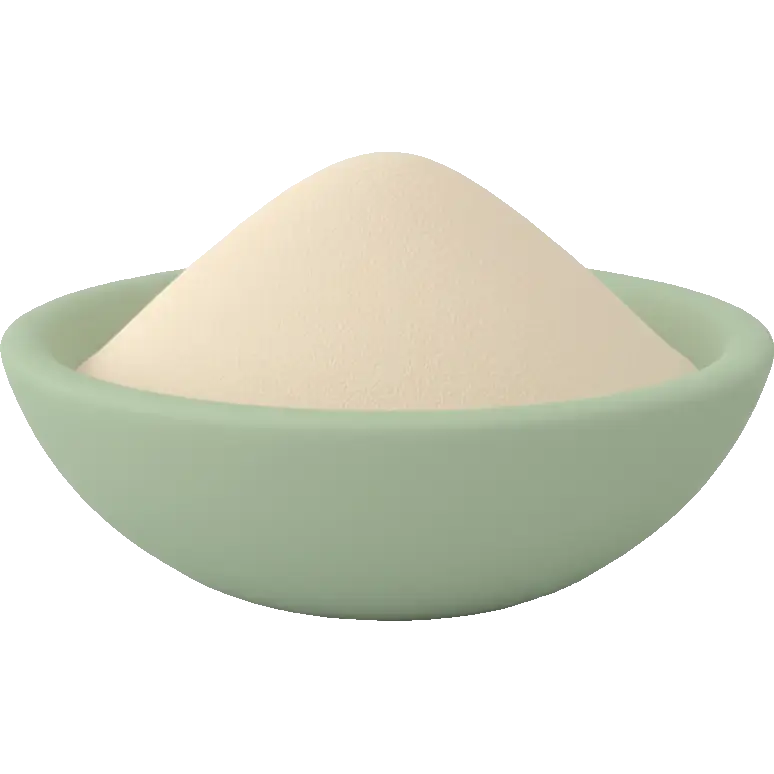
enzyme blend
Additives & Leavening
Is enzyme blend high in tyramine?
Is enzyme blend high or low in tyramine? See its exact rating, how much counts as a portion, and its FODMAP, salicylate, oxalate and diet compatibility in one place.
Related checkers
Compare enzyme blend across criteria
Sensitivity notes
Why tyramine food checker matters
Tyramine is an amino acid that forms when proteins break down. It's found in aged, fermented, or spoiled foods. For people taking MAO inhibitors or those with tyramine sensitivity, it can cause headaches, elevated blood pressure, and other reactions.
- Choose fresh over aged, fermented, or preserved foods
- Eat protein foods fresh and store properly
- Be especially careful if taking MAO inhibitor medications
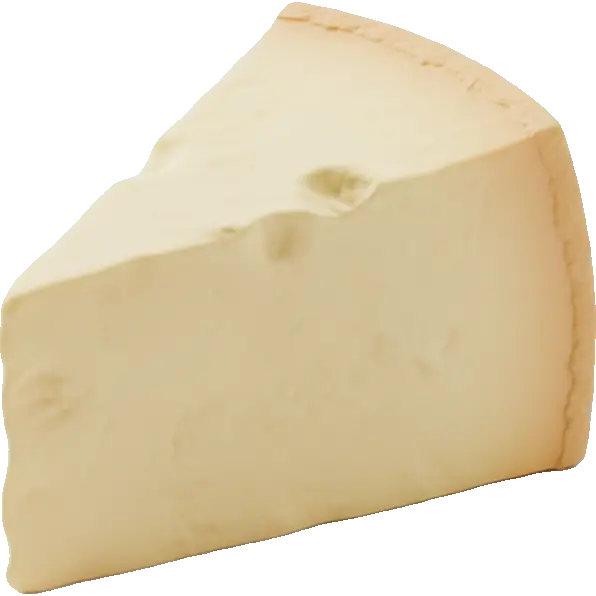
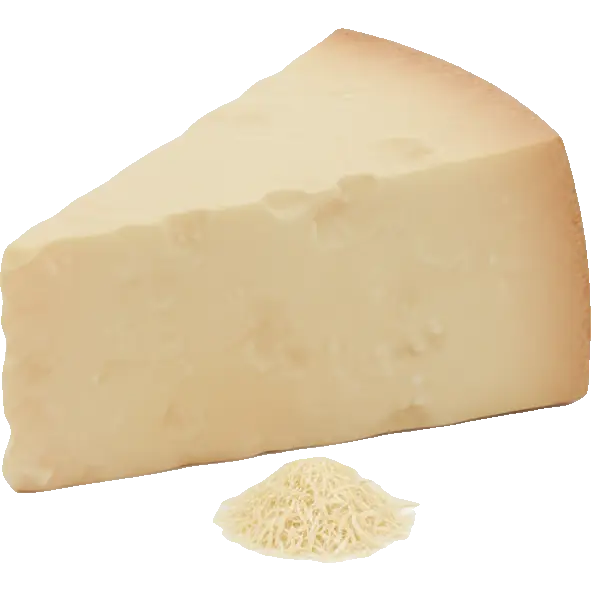
- Common high-tyramine foods include aged cheese, cured meats, and soy sauce
- Ripeness affects tyramine - choose less ripe fruits
Sensitivities
What enzyme blend contains
FODMAPs
Histamine & Amines
Plant compounds
Irritants
Additives
Allergens
Diet fit
Where enzyme blend fits
Therapeutic diets
Lifestyle diets
Religious diets
What to know about enzyme blend
Enzyme blend is a category rather than an ingredient: it covers everything from a single lactase tablet to a twelve enzyme capsule promising to digest anything. The evidence behind those products is not evenly distributed, and that is the useful thing to know. Lactase for lactose intolerance is well established and works on a straightforward mechanism, though a plant milk solves the same problem without a tablet. Everything after that gets thinner fast. The other thing worth knowing before you buy is that enzymes are sourced from three very different places, animal pancreas, fungi and bacteria, and the label does not always make clear which one you are swallowing.
Watch for
- This row grades vegan and vegetarian at C rather than clean, and that is the single most practical fact on the page.Pancreatin, pepsin, trypsin and ox bile are animal derived, usually from pig or cow pancreas. Microbial and fungal enzymes such as Aspergillus derived lactase and protease are not. A blend can contain either and the front of the pack rarely says.
- Lactase is the one with a real mechanism and real evidence, and it has to be taken with the first bite.Swallowed after the meal it has largely missed its window.
- DAO supplements marketed for histamine intolerance are a genuinely contested area.The trials are small and the results mixed, and DAO works in the gut lumen rather than on histamine already absorbed. Treat any strong claim about them with suspicion.
- Alpha-galactosidase, the bean enzyme, targets GOS specifically.It does nothing for fructans, polyols or excess fructose, so it will not rescue a meal built on onion, garlic or apple.
- No enzyme supplement treats coeliac disease.Products marketed to break down gluten do not make wheat safe for a coeliac, and relying on one risks real intestinal damage.


Explore related in Additives & Leavening
Compare similar foods to build a personalized list of swaps that work for your system.

Tyramine Guide
Everything you need to know about tyramine sensitivity and smart food choices.
Tyramine is an amino acid that forms when proteins break down. It's found in aged, fermented, or spoiled foods. For people taking MAO inhibitors or those with tyramine sensitivity, it can cause headaches, elevated blood pressure, and other reactions.
Sensitivity varies widely. What triggers one person may be fine for another. Track your reactions to find your personal threshold.
These foods are generally well-tolerated for Tyramine sensitivity:
View all safe options















These foods are high in tyramine and may trigger symptoms:
View full list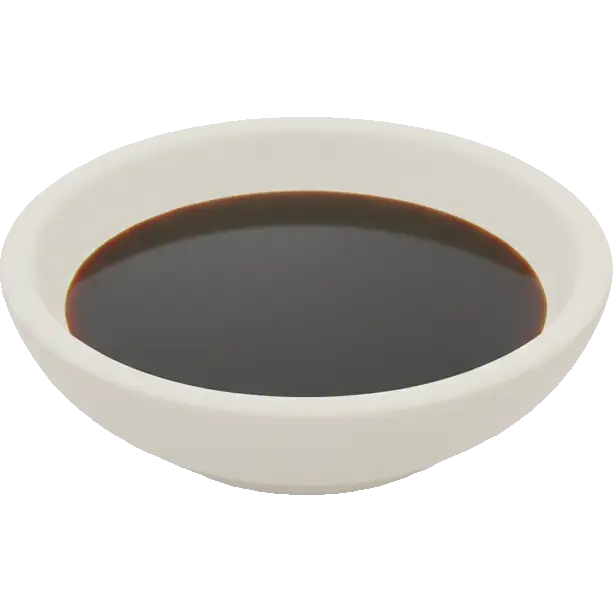




If you're sensitive to Tyramine, consider these strategies:
- 1Choose fresh over aged, fermented, or preserved foods
- 2Eat protein foods fresh and store properly
- 3Be especially careful if taking MAO inhibitor medications
- 4Common high-tyramine foods include aged cheese, cured meats, and soy sauce
- 5Ripeness affects tyramine - choose less ripe fruits
Pro tip: Keep a food diary to track your reactions. The Triggerbites app makes this easy with automatic pattern detection.
Want personalized tracking?
Download Triggerbites to log meals, track symptoms, and discover your unique triggers.
Get the AppFAQ
Is enzyme blend high in Tyramine?
Tyramine: low signal for most people.
Can I still eat enzyme blend if I'm sensitive to Tyramine?
Usually fine in normal portions.
What else should I check?
Check Vegan, Vegetarian, and Pescatarian next for a fuller picture.