 Back to Salicylates food checker
curry leaf
Herbs & Spices
Is curry leaf high in salicylates?
Is curry leaf high or low in salicylates? See its exact rating, how much counts as a portion, and its FODMAP, salicylate, oxalate and diet compatibility in one place.

Related checkers
Compare curry leaf across criteria

Sensitivity notes
Why salicylates food checker matters
Salicylates are natural chemicals found in many fruits, vegetables, herbs, and spices. They're related to aspirin and can cause reactions in sensitive individuals including hives, asthma symptoms, nasal congestion, and digestive issues.
- Start by eliminating the highest sources: spices, herbs, and concentrated products
- Peel fruits and vegetables when possible to reduce salicylate content
- Fresh is usually better tolerated than dried or concentrated
- Build up tolerance slowly by reintroducing foods one at a time
- Sensitivity often improves with gut healing over time

Sensitivities
What curry leaf contains
FODMAPs







Histamine & Amines



Plant compounds




Irritants




Additives



Allergens
















Diet fit
Where curry leaf fits
Therapeutic diets










Lifestyle diets









Religious diets






What to know about curry leaf
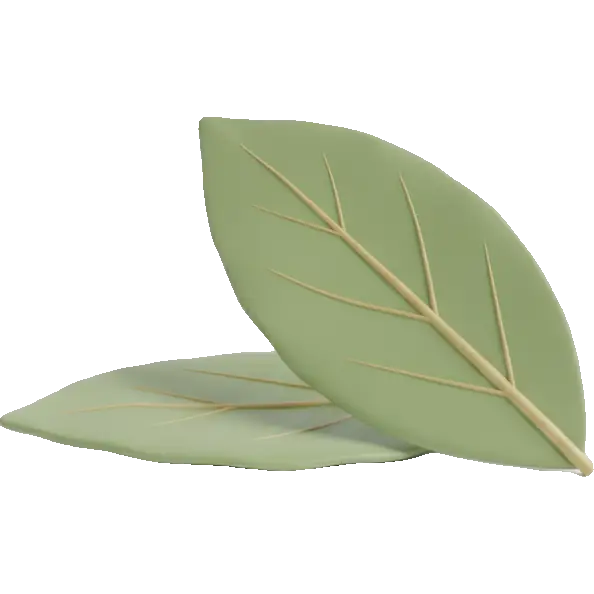
The first thing to clear up: curry leaf has nothing to do with curry powder. Curry powder is a blended spice mix invented for export, usually built on turmeric, coriander, cumin and chilli, while curry leaf is a single fresh leaf from Murraya koenigii, a small tree in the citrus family. They are unrelated, and neither one substitutes for the other. For a trigger journal the good news is that curry leaf grades clean straight down the panel: histamine A, histamine liberator A, salicylate A, oxalate A, nickel A, sulfite A, glutamate A, tyramine A, gluten A, nightshade A and clean on all four FODMAP groups. It is one of the genuinely safe aromatics, in the same category as bay leaf. What makes it worth logging carefully is the company it keeps, because curry leaf almost never goes into a pan alone.
Watch for
- Not curry powder, and not related to it.Curry powder blends usually include chilli (a nightshade), sometimes anticaking agents and occasionally a wheat or rice carrier, so logging one as the other will pin a reaction on the wrong ingredient entirely
- The tempering pan is where the real triggers are.Curry leaf is fried into hot oil with mustard seed, dried chilli (nightshade), onion and garlic (fructans) and often ghee, and any of those is a more likely culprit than the leaf
- Asafoetida is the sleeper in that same pan: commercial hing is usually compounded with wheat flour as a carrier, which makes it a real and frequently missed gluten exposure in South Indian cooking
- Fresh and dried behave the same on triggers, but dried leaves lose most of their aroma, so recipes call for more of them.That is a flavour compromise, not a change in trigger load
- Whole leaves are normally left in the dish and pushed to the side of the plate rather than eaten, like bay leaf, so actual intake is smaller than the ingredient list implies


Explore related in Herbs & Spices
Compare similar foods to build a personalized list of swaps that work for your system.


Salicylates Guide
Everything you need to know about salicylates sensitivity and smart food choices.
Salicylates are natural chemicals found in many fruits, vegetables, herbs, and spices. They're related to aspirin and can cause reactions in sensitive individuals including hives, asthma symptoms, nasal congestion, and digestive issues.
Sensitivity varies widely. What triggers one person may be fine for another. Track your reactions to find your personal threshold.

These foods are generally well-tolerated for Salicylates sensitivity:
View all safe options








These foods have moderate levels and may be tolerated in small amounts:








These foods are high in salicylates and may trigger symptoms:
View full list






If you're sensitive to Salicylates, consider these strategies:
- 1Start by eliminating the highest sources: spices, herbs, and concentrated products
- 2Peel fruits and vegetables when possible to reduce salicylate content
- 3Fresh is usually better tolerated than dried or concentrated
- 4Build up tolerance slowly by reintroducing foods one at a time
- 5Sensitivity often improves with gut healing over time
Pro tip: Keep a food diary to track your reactions. The Triggerbites app makes this easy with automatic pattern detection.
Want personalized tracking?
Download Triggerbites to log meals, track symptoms, and discover your unique triggers.
Get the AppFAQ
Is curry leaf high in Salicylates?
Salicylates: low signal for most people.
Can I still eat curry leaf if I'm sensitive to Salicylates?
Usually fine in normal portions.
What else should I check?
Check Low Fibre, Histamine, and Histamine Liberators next for a fuller picture.