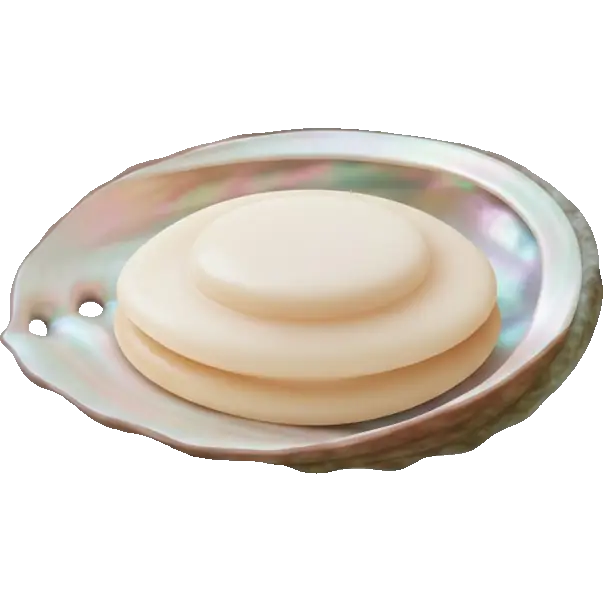
abalone
Seafood
Is abalone high in salicylates?
Is abalone high or low in salicylates? See its exact rating, how much counts as a portion, and its FODMAP, salicylate, oxalate and diet compatibility in one place.
Related checkers
Compare abalone across criteria
Sensitivity notes
Why salicylates food checker matters
Salicylates are natural chemicals found in many fruits, vegetables, herbs, and spices. They're related to aspirin and can cause reactions in sensitive individuals including hives, asthma symptoms, nasal congestion, and digestive issues.
- Start by eliminating the highest sources: spices, herbs, and concentrated products
- Peel fruits and vegetables when possible to reduce salicylate content
- Fresh is usually better tolerated than dried or concentrated
- Build up tolerance slowly by reintroducing foods one at a time
- Sensitivity often improves with gut healing over time
Sensitivities
What abalone contains
FODMAPs
Histamine & Amines
Plant compounds
Irritants
Additives
Allergens
Diet fit
Where abalone fits
Therapeutic diets
Lifestyle diets
Religious diets
What to know about abalone
Abalone is a sea snail, which puts it in the mollusc allergen group alongside clams, mussels and squid, and firmly outside the crustacean group that prawn, crab and lobster belong to. That distinction is the single most useful thing to know about it: crustacean tropomyosins share up to 98 percent of their sequence with each other, but only around 56 to 68 percent with mollusc tropomyosins, and abalone tropomyosin can sensitise someone on its own without any prawn allergy behind it. On food chemistry abalone is quiet, graded clean on gluten, every FODMAP fraction, lactose, salicylates, oxalates, sulfites, nitrites, free glutamate, lectins and nickel, with moderate grades for histamine and tyramine that are really about how long the meat sat before it was cooked. The one hazard that belongs to abalone alone is in its viscera, and it only shows up in spring.
Watch for
- A mollusc, not a crustacean.Someone who reacts badly to prawns has no reliable information about abalone from that fact, and someone who reacts to abalone cannot assume prawns are the same problem. Research on mollusc allergy has shown mollusc tropomyosin driving a primary IgE response with no prior crustacean sensitisation, so the two are separate questions for an allergist rather than one
- The green digestive gland, sold as abalone liver, accumulates pyropheophorbide a from the seaweed the animal grazes, and it does so seasonally.Feeding studies found the liver becomes toxic only in spring, and the resulting illness is a photosensitivity dermatitis: a light-triggered rash and swelling on sun-exposed skin, documented in cats and in people in Japan. The muscular foot, which is the part almost everyone eats, is not the problem
- Histamine grades moderate (C) and tyramine moderate (C), both stacked in the same direction.Neither is a property of the species so much as of the supply chain, and most abalone reaches a kitchen frozen, canned or dried rather than live, which are three very different amine stories
- Histamine liberation is unrated for abalone in this data, so treat it as unknown rather than clear if you are working a strict low-histamine protocol
- Excluded on an eosinophilic esophagitis elimination diet as shellfish, and not vegan or vegetarian


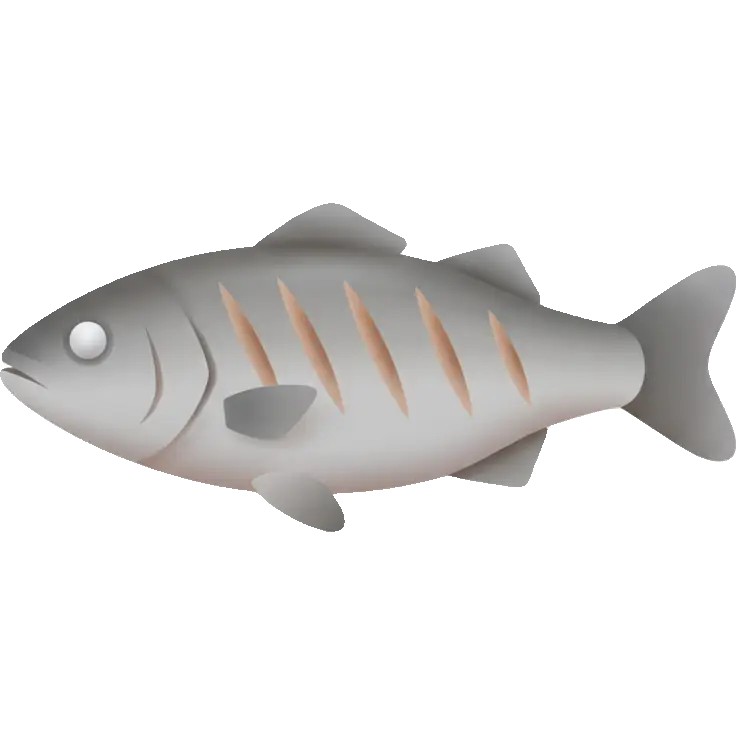


Explore related in Seafood
Compare similar foods to build a personalized list of swaps that work for your system.



Salicylates Guide
Everything you need to know about salicylates sensitivity and smart food choices.
Salicylates are natural chemicals found in many fruits, vegetables, herbs, and spices. They're related to aspirin and can cause reactions in sensitive individuals including hives, asthma symptoms, nasal congestion, and digestive issues.
Sensitivity varies widely. What triggers one person may be fine for another. Track your reactions to find your personal threshold.
These foods are generally well-tolerated for Salicylates sensitivity:
View all safe options







These foods have moderate levels and may be tolerated in small amounts:








These foods are high in salicylates and may trigger symptoms:
View full list





If you're sensitive to Salicylates, consider these strategies:
- 1Start by eliminating the highest sources: spices, herbs, and concentrated products
- 2Peel fruits and vegetables when possible to reduce salicylate content
- 3Fresh is usually better tolerated than dried or concentrated
- 4Build up tolerance slowly by reintroducing foods one at a time
- 5Sensitivity often improves with gut healing over time
Pro tip: Keep a food diary to track your reactions. The Triggerbites app makes this easy with automatic pattern detection.
Want personalized tracking?
Download Triggerbites to log meals, track symptoms, and discover your unique triggers.
Get the AppFAQ
Is abalone high in Salicylates?
Salicylates: low signal for most people.
Can I still eat abalone if I'm sensitive to Salicylates?
Usually fine in normal portions.
What else should I check?
Check Molluscs, Vegan, and Vegetarian next for a fuller picture.