 Back to Polyols food checker
ostrich
Poultry
Is ostrich high in polyols?
Is ostrich high or low in polyols? See its exact rating, how much counts as a portion, and its FODMAP, salicylate, oxalate and diet compatibility in one place.

Related checkers
Compare ostrich across criteria

Sensitivity notes
Why polyols food checker matters
Polyols (sugar alcohols) are found naturally in some fruits and vegetables, and are used as artificial sweeteners. They're poorly absorbed and can cause digestive symptoms, especially in IBS sufferers.
- Avoid sugar-free products with sorbitol, mannitol, xylitol, maltitol
- Stone fruits are naturally high in polyols
- Cooking doesn't reduce polyol content
- Avocado portion size matters - small amounts may be fine
- Cauliflower and mushrooms are common triggers

Sensitivities
What ostrich contains
FODMAPs







Histamine & Amines



Plant compounds




Irritants




Additives



Allergens
















Diet fit
Where ostrich fits
Therapeutic diets










Lifestyle diets









Religious diets






What to know about ostrich
When someone loses red meat to a tick bite and asks what is left, ostrich is usually the answer. It is a bird, so it makes no galactose-alpha-1,3-galactose, and it still arrives as a deep red fan fillet that sears and slices like beef. The chart backs that up: A on histamine, histamine liberation, tyramine, free glutamate, salicylate, oxalate, nickel, sulfite, nitrite, gluten and lactose, with only a mild FODMAP mark attached to processed ostrich rather than the muscle. Ostrich is also entirely farmed, which removes in one stroke the lead shot, trichinella and chronic wasting disease cautions that trail behind every wild red meat here.
Watch for
- The alpha-gal advantage only survives if the product is pure ostrich.Ostrich burgers and sausages are commonly blended with beef or pork fat because the bird has almost none of its own, and that reintroduces the exact molecule you were avoiding.
- Ostrich biltong and droewors do not inherit these grades.Salted, vinegar-treated air-dried meat is matured protein, and maturing builds histamine and tyramine no matter which animal it started as.
- The fan fillet runs at roughly two to three percent fat, which means it goes from tender to dry in under a minute of extra heat.Ostrich is served rare for a reason, and the butter and red wine that usually accompany it are the trigger-carrying part of the dish.
- Every FODMAP group grades clean; anything fermentable tracks the marinade or rub.Plain ostrich contains no fermentable carbohydrate whatsoever.
- Ostrich is farmed on a controlled feed, so none of the wild game hazards apply: no bullet fragments, no prion surveillance question, no parasite advisory.
- Oxalate and every FODMAP subgroup are graded clean.



Explore related in Poultry
Compare similar foods to build a personalized list of swaps that work for your system.
Polyols Guide
Everything you need to know about polyols sensitivity and smart food choices.
Polyols (sugar alcohols) are found naturally in some fruits and vegetables, and are used as artificial sweeteners. They're poorly absorbed and can cause digestive symptoms, especially in IBS sufferers.
Sensitivity varies widely. What triggers one person may be fine for another. Track your reactions to find your personal threshold.

These foods are generally well-tolerated for Polyols sensitivity:
View all safe options








These foods have moderate levels and may be tolerated in small amounts:





These foods are high in polyols and may trigger symptoms:
View full list


If you're sensitive to Polyols, consider these strategies:
- 1Avoid sugar-free products with sorbitol, mannitol, xylitol, maltitol
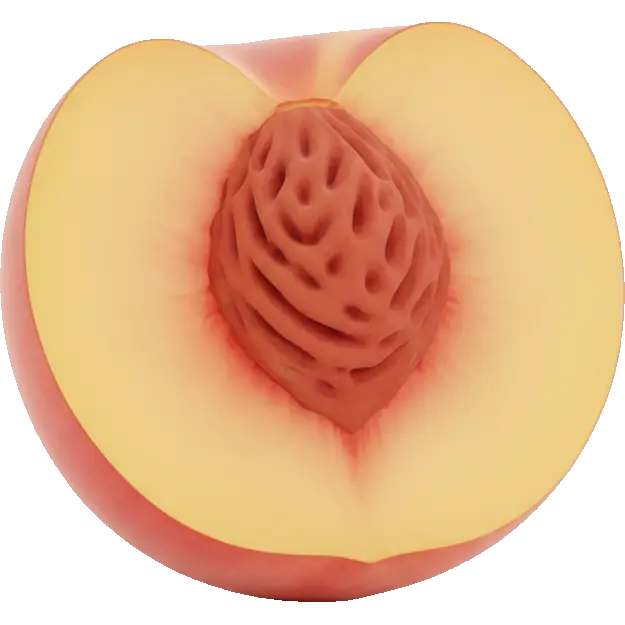
- 2Stone fruits are naturally high in polyols
- 3Cooking doesn't reduce polyol content
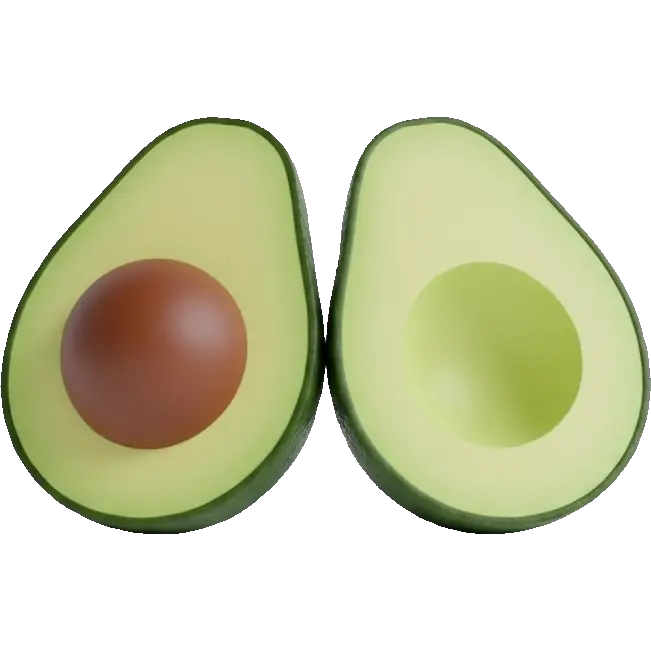
- 4Avocado portion size matters - small amounts may be fine
- 5Cauliflower and mushrooms are common triggers
Pro tip: Keep a food diary to track your reactions. The Triggerbites app makes this easy with automatic pattern detection.
Want personalized tracking?
Download Triggerbites to log meals, track symptoms, and discover your unique triggers.
Get the AppFAQ
Is ostrich high in Polyols?
Polyols: low signal for most people.
Can I still eat ostrich if I'm sensitive to Polyols?
Usually fine in normal portions.
What else should I check?
Check Vegan, Vegetarian, and Pescatarian next for a fuller picture.