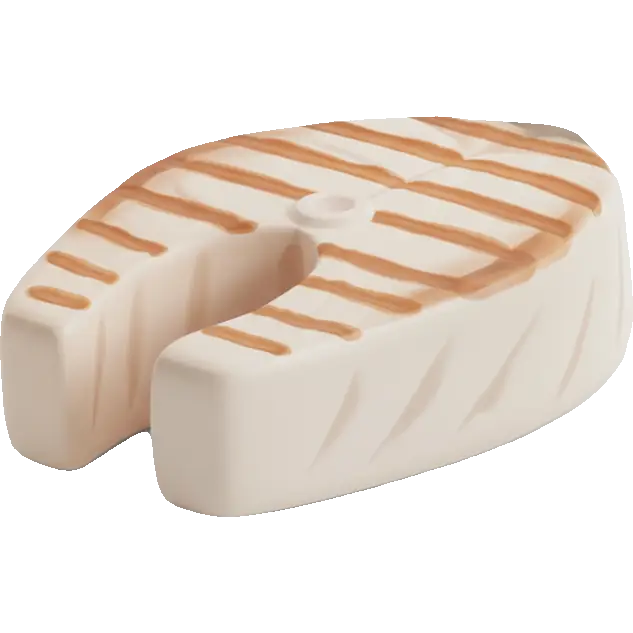
mahi-mahi
Seafood
Is mahi-mahi high in polyols?
Is mahi-mahi high or low in polyols? See its exact rating, how much counts as a portion, and its FODMAP, salicylate, oxalate and diet compatibility in one place.
Related checkers
Compare mahi-mahi across criteria
Sensitivity notes
Why polyols food checker matters
Polyols (sugar alcohols) are found naturally in some fruits and vegetables, and are used as artificial sweeteners. They're poorly absorbed and can cause digestive symptoms, especially in IBS sufferers.
- Avoid sugar-free products with sorbitol, mannitol, xylitol, maltitol
- Stone fruits are naturally high in polyols
- Cooking doesn't reduce polyol content
- Avocado portion size matters - small amounts may be fine
- Cauliflower and mushrooms are common triggers
Sensitivities
What mahi-mahi contains
FODMAPs
Histamine & Amines
Plant compounds
Irritants
Additives
Allergens
Diet fit
Where mahi-mahi fits
Therapeutic diets
Lifestyle diets
Religious diets
What to know about mahi-mahi
Mahi-mahi is the odd one out among scombroid fish. It is lean, firm and pale pink to white, it is not a member of the mackerel family at all, and yet it sits alongside tuna at the very top of reported histamine fish poisoning cases. The reason is free histidine: mahi-mahi carries a lot of it, and once the fish comes off ice, bacteria convert that histidine into histamine within hours. On the trigger chart mahi-mahi grades clean on FODMAPs, gluten, lactose, salicylates, oxalates, nickel, sulfites, glutamates, lectins and nightshades, with only histamine, histamine liberation and tyramine at borderline. Those borderline grades describe a fillet that stayed cold from the boat, which for an air freighted tropical fish is a bigger assumption than it sounds.
Watch for
- A pale fillet is not a safe fillet.Most people assume the scombroid risk belongs to dark fleshed fish, but mahi-mahi is white fleshed and is still one of the two species behind the majority of histamine poisoning reports. Judge it on the chill chain, not the colour.
- The supply chain is long.Mahi-mahi is a warm water sport and longline fish that usually reaches a northern counter by air as a thick fresh steak, and a lot of what is sold as fresh has been frozen and thawed. Frozen at sea is the version with a documented clock; a thawed steak of unknown age is the one to be careful with.
- A peppery, metallic or faintly bitter taste is the classic warning sign, and it is worth stopping at the first bite that tastes wrong.It is not reliable though: plenty of high histamine fish tastes and smells completely normal.
- Regulators treat histamine as a decomposition marker rather than a spoilage smell.The FDA now flags scombrotoxin forming fish at 35 parts per million as evidence of decomposition and 200 parts per million as a hazard, and none of that is visible on the plate.
- Tyramine also grades borderline and rises as the flesh ages, which matters on an MAOI or a migraine plan.On mercury, mahi-mahi sits in the middle tier of the FDA and EPA fish advice at roughly one serving a week rather than the lowest tier.
Explore related in Seafood
Compare similar foods to build a personalized list of swaps that work for your system.
Polyols Guide
Everything you need to know about polyols sensitivity and smart food choices.
Polyols (sugar alcohols) are found naturally in some fruits and vegetables, and are used as artificial sweeteners. They're poorly absorbed and can cause digestive symptoms, especially in IBS sufferers.
Sensitivity varies widely. What triggers one person may be fine for another. Track your reactions to find your personal threshold.
These foods are generally well-tolerated for Polyols sensitivity:
View all safe options







These foods have moderate levels and may be tolerated in small amounts:




These foods are high in polyols and may trigger symptoms:
View full list
If you're sensitive to Polyols, consider these strategies:
- 1Avoid sugar-free products with sorbitol, mannitol, xylitol, maltitol
- 2Stone fruits are naturally high in polyols
- 3Cooking doesn't reduce polyol content
- 4Avocado portion size matters - small amounts may be fine
- 5Cauliflower and mushrooms are common triggers
Pro tip: Keep a food diary to track your reactions. The Triggerbites app makes this easy with automatic pattern detection.
Want personalized tracking?
Download Triggerbites to log meals, track symptoms, and discover your unique triggers.
Get the AppFAQ
Is mahi-mahi high in Polyols?
Polyols: low signal for most people.
Can I still eat mahi-mahi if I'm sensitive to Polyols?
Usually fine in normal portions.
What else should I check?
Check Fish, Vegan, and Vegetarian next for a fuller picture.