 Back to Polyols food checker
ginger tea
Beverages
Is ginger tea high in polyols?
Is ginger tea high or low in polyols? See its exact rating, how much counts as a portion, and its FODMAP, salicylate, oxalate and diet compatibility in one place.

Related checkers
Compare ginger tea across criteria

Sensitivity notes
Why polyols food checker matters
Polyols (sugar alcohols) are found naturally in some fruits and vegetables, and are used as artificial sweeteners. They're poorly absorbed and can cause digestive symptoms, especially in IBS sufferers.
- Avoid sugar-free products with sorbitol, mannitol, xylitol, maltitol
- Stone fruits are naturally high in polyols
- Cooking doesn't reduce polyol content
- Avocado portion size matters - small amounts may be fine
- Cauliflower and mushrooms are common triggers

Sensitivities
What ginger tea contains
FODMAPs







Histamine & Amines



Plant compounds




Irritants




Additives



Allergens
















Diet fit
Where ginger tea fits
Therapeutic diets










Lifestyle diets









Religious diets






What to know about ginger tea
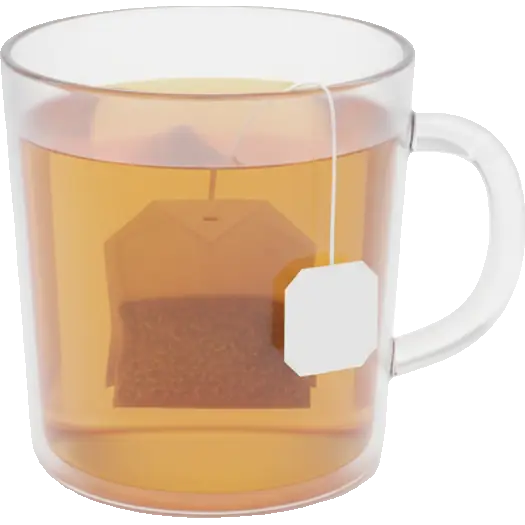
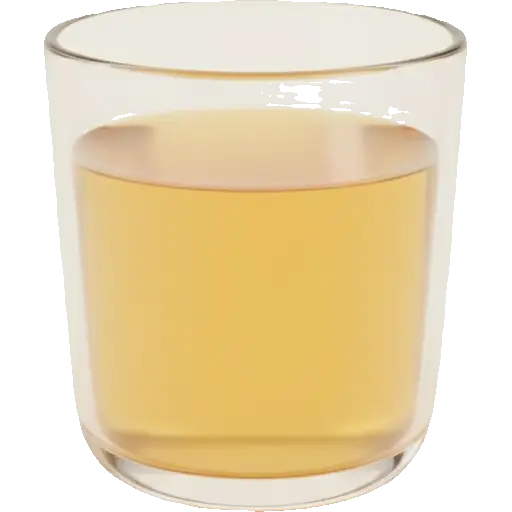
Ginger tea is one of the cleanest things you can put in a mug if you are tracking triggers. Brewed ginger root grades clean on every FODMAP column, clean on histamine and on histamine liberation, clean on gluten, lactose, oxalate, nickel, sulfites, glutamates and nightshades, and it is caffeine free despite being called a tea. It also grades well for low-fermentation SIBO protocols and is AIP compliant, which is a rare full sweep for a drink with actual flavour. The single real caveat is salicylates. Ginger root itself grades high on salicylates in our data and the brewed tea grades moderate, one step lower, because steeping pulls a share of those compounds into the water rather than delivering the whole root. That makes ginger tea the gentler way to take ginger if salicylates are your issue, not a way around them, and it means a long steep or a ginger shot is a meaningfully bigger dose than a quick cup. The nausea reputation is the part that holds up here: the research people cite is about ginger itself, and a real infusion is the format that actually delivers it.
Watch for
- Moderate salicylates, one grade below fresh ginger root.If your pattern is salicylate style flushing, itching or headache, a strong or long steeped brew is a real dose even though the drink is mostly water
- Caffeine free, unlike anything made from the actual tea plant.Black tea grades high for caffeine and green tea moderate, so swapping to a ginger infusion in the evening is a genuine caffeine reduction rather than a cosmetic one
- Shop bought ginger tea bags are often blends.Lemongrass, licorice root, lemon peel and chicory turn up in them, and licorice in particular has its own blood pressure caution, so the clean grade here describes plain ginger root steeped in water
- What you sweeten it with can undo it.Honey grades very high on excess fructose and poor for low-fermentation protocols, so a spoonful can turn the cleanest drink on this list into a FODMAP problem
- Ginger is pharmacologically active, so concentrated forms are not the same product.A ginger shot or a syrup reduction is a much larger dose of the same compounds than a cup of tea






Explore related in Beverages
Compare similar foods to build a personalized list of swaps that work for your system.

Polyols Guide
Everything you need to know about polyols sensitivity and smart food choices.
Polyols (sugar alcohols) are found naturally in some fruits and vegetables, and are used as artificial sweeteners. They're poorly absorbed and can cause digestive symptoms, especially in IBS sufferers.
Sensitivity varies widely. What triggers one person may be fine for another. Track your reactions to find your personal threshold.

These foods are generally well-tolerated for Polyols sensitivity:
View all safe options






These foods have moderate levels and may be tolerated in small amounts:





These foods are high in polyols and may trigger symptoms:
View full list


If you're sensitive to Polyols, consider these strategies:
- 1Avoid sugar-free products with sorbitol, mannitol, xylitol, maltitol
- 2Stone fruits are naturally high in polyols
- 3Cooking doesn't reduce polyol content
- 4Avocado portion size matters - small amounts may be fine
- 5Cauliflower and mushrooms are common triggers
Pro tip: Keep a food diary to track your reactions. The Triggerbites app makes this easy with automatic pattern detection.
Want personalized tracking?
Download Triggerbites to log meals, track symptoms, and discover your unique triggers.
Get the AppFAQ
Is ginger tea high in Polyols?
Polyols: low signal for most people.
Can I still eat ginger tea if I'm sensitive to Polyols?
Usually fine in normal portions.
What else should I check?
Check Salicylates, Low Salicylate, and Jain next for a fuller picture.