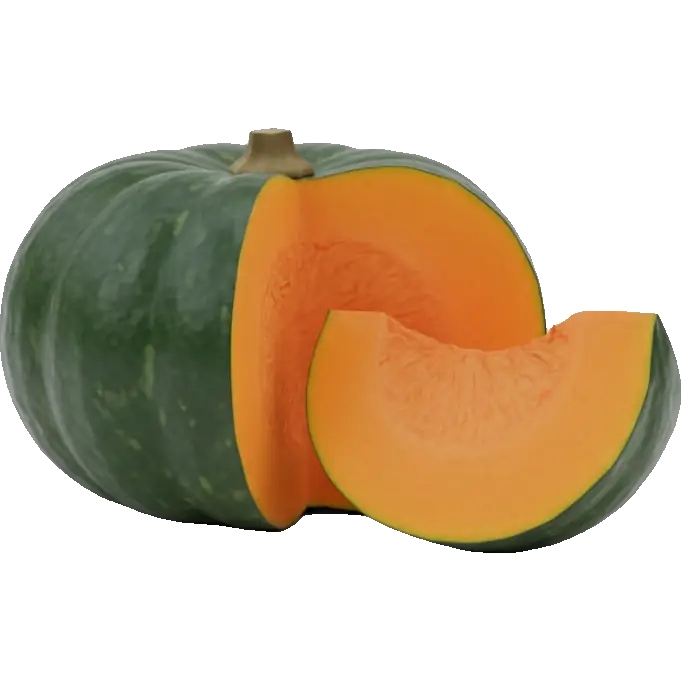
kabocha squash
Vegetables
Is kabocha squash aip-compatible?
See whether kabocha squash fits an aip diet, with a clear compatible-or-avoid verdict plus its FODMAP, histamine and other trigger ratings in one place.
Related checkers
Compare kabocha squash across criteria
Sensitivity notes
Why aip diet checker matters
The Paleo Autoimmune Protocol (AIP) is an elimination diet designed to reduce inflammation and heal the gut in people with autoimmune conditions. It removes grains, legumes, dairy, eggs, nuts, seeds, and nightshades during the elimination phase.
- Elimination phase removes all potentially inflammatory foods
- Focus on nutrient-dense foods: organ meats, bone broth, vegetables
- Reintroduce foods one at a time after 30-90 days
- Sleep, stress management, and movement are part of the protocol
- Work with a practitioner experienced in autoimmune protocols
Sensitivities
What kabocha squash contains
FODMAPs
Histamine & Amines
Plant compounds
Irritants
Additives
Allergens
Diet fit
Where kabocha squash fits
Therapeutic diets
Lifestyle diets
Religious diets
What to know about kabocha squash
Kabocha squash, the squat dark green Japanese winter squash sold as kabocha or Japanese pumpkin, is one of the cleanest starchy vegetables you can put in a trigger journal. Gluten, lactose, dairy protein, histamine, histamine liberation, tyramine, caffeine, nickel, sulfites, nitrites, free glutamates and nightshade all come back safe, and it grades strongly anti-inflammatory. Two things are worth logging. It sits moderate on salicylates, so it is not a free food on a strict salicylate elimination, and it is low FODMAP by the half cup but climbs into moderate territory as the portion grows. What it does not have is the polyol load that makes some other winter squash unreliable: kabocha grades clean on sugar alcohols where butternut does not, which is why "squash bloats me" is usually a question of how much rather than which sugar you hit.
Watch for
- Moderate on salicylates.Kabocha is drier and more concentrated than a watery summer squash, so the same weight carries more, and roasting it down concentrates it further
- Low FODMAP in a modest serve, moderate in a large one.A side portion is fine for most sensitive guts; half a roasted squash in one sitting is where the gas starts
- Clean on polyols, fructose, fructans and GOS, so the sorbitol and mannitol problem people run into with butternut squash does not apply to kabocha
- The skin is genuinely edible once roasted, and salicylates concentrate in peel.If salicylates are your trigger, peel it rather than eating it whole
- Oxalate is unrated for kabocha in our data.Treat it as untested rather than proven safe if you are on a low oxalate protocol
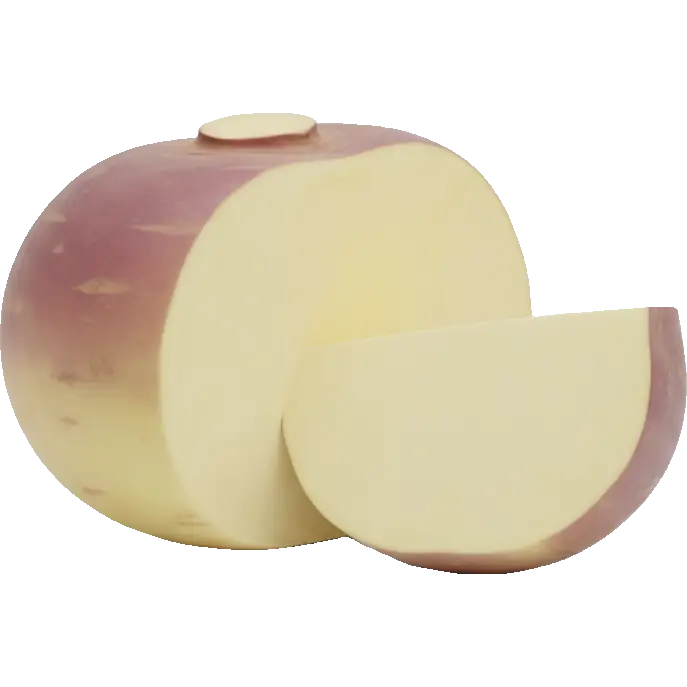
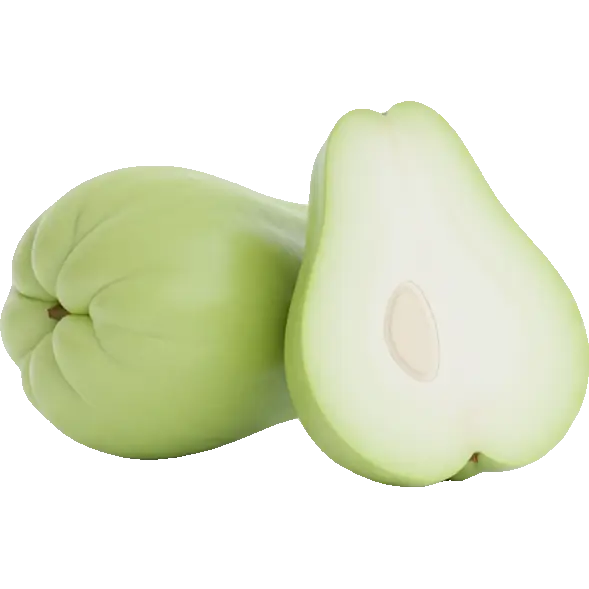
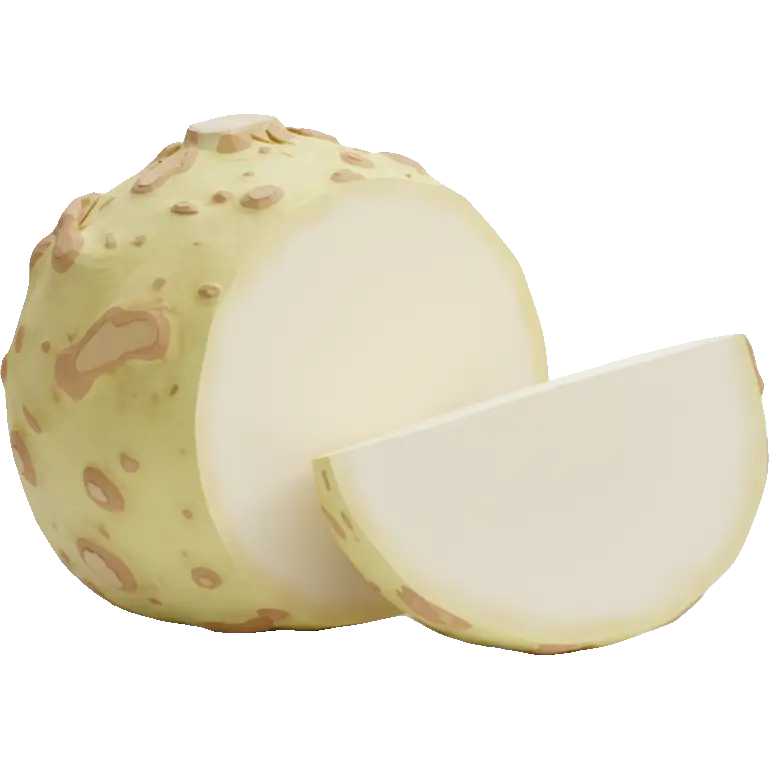



Explore related in Vegetables
Compare similar foods to build a personalized list of swaps that work for your system.



AIP Guide
Everything you need to know about aip compatibility and smart food choices.
The Paleo Autoimmune Protocol (AIP) is an elimination diet designed to reduce inflammation and heal the gut in people with autoimmune conditions. It removes grains, legumes, dairy, eggs, nuts, seeds, and nightshades during the elimination phase.





Practical guidance for following a AIP diet:
- 1Elimination phase removes all potentially inflammatory foods
- 2Focus on nutrient-dense foods: organ meats, bone broth, vegetables
- 3Reintroduce foods one at a time after 30-90 days
- 4Sleep, stress management, and movement are part of the protocol
- 5Work with a practitioner experienced in autoimmune protocols
Pro tip: Keep a food diary to track your reactions. The Triggerbites app makes this easy with automatic pattern detection.
Want personalized tracking?
Download Triggerbites to log meals, track symptoms, and discover your unique triggers.
Get the AppFAQ
Does kabocha squash fit an aip diet?
AIP: fits well for most plans.
What if I eat it occasionally?
Still check preparation and add-ins.
What are safer swaps?
Compare within the Vegetables group.