baharat
Herbs & Spices
Is baharat high in oxalates?
Is baharat high or low in oxalates? See its exact rating, how much counts as a portion, and its FODMAP, salicylate, oxalate and diet compatibility in one place.
Related checkers
Compare baharat across criteria
Sensitivity notes
Why oxalates food checker matters
Oxalates are compounds found in many plant foods that can bind with calcium to form crystals. High oxalate intake may contribute to kidney stones in susceptible individuals and can cause other symptoms in those with oxalate sensitivity.
- Stay well-hydrated to help prevent oxalate crystal formation
- Pair high-oxalate foods with calcium-rich foods to bind oxalates
- Cooking and boiling can reduce oxalate content in some foods
- Spread oxalate intake throughout the day rather than one large dose
- Consider probiotics - some gut bacteria break down oxalates
Sensitivities
What baharat contains
FODMAPs
Histamine & Amines
Plant compounds
Irritants
Additives
Allergens
Diet fit
Where baharat fits
Therapeutic diets
Lifestyle diets
Religious diets
What to know about baharat
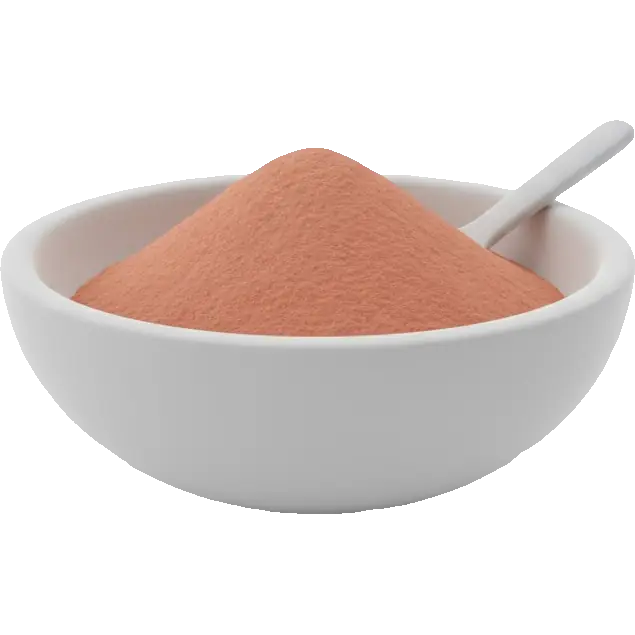
Baharat is the everyday warming blend of the Levant and the Gulf, and it carries two flags: it is high in salicylates, which is the usual verdict on any blend built from black pepper, cumin, cinnamon, clove and nutmeg, and it sits at a borderline C on nightshade. That grade comes from paprika, which most commercial baharat leans on for its brick-red color. The rest of the jar, black pepper, cumin, coriander, cinnamon, clove and nutmeg, is nightshade free, which is why the blend lands at C rather than the E a jar of straight paprika earns. The real difficulty with baharat is that it is not one recipe. The word simply means spices in Arabic, and what is in the jar shifts by a few hundred miles: Gulf and Iraqi versions often build on loomi, the dried black lime, Turkish blends carry dried mint, and Tunisian baharat is closer to dried rosebud and cinnamon than to anything peppery. If two jars behave differently in your journal, the region is the likeliest reason before any single spice is.
Watch for
- High in salicylates, and that is the blend doing it rather than any single jar ingredient: black pepper, cumin, cinnamon and nutmeg each grade high on their own, so a spoonful stacks several of them at once
- The C nightshade grade is essentially the paprika.Blends that leave it out, common in Gulf recipes built around loomi, are effectively nightshade free, while ones that add Aleppo pepper, chili or extra sweet paprika push the other way
- Baharat is used by the spoonful, not the pinch.It seasons kofta, rice, stews and whole roasted meat, so if you are testing a nightshade reaction the dose here is larger than most seasonings deliver
- Regional recipes diverge sharply under one name.A Turkish blend with mint, a Gulf blend with dried lime and a Levantine seven-spice style jar are different products, so log the brand rather than just the word baharat
- Commercial blends can add salt, anti-caking agents, and sometimes onion or garlic powder.The spices themselves grade A across every FODMAP subgroup, so if a jar upsets a low FODMAP trial, read the ingredient list before you blame the spices



Explore related in Herbs & Spices
Compare similar foods to build a personalized list of swaps that work for your system.

Oxalates Guide
Everything you need to know about oxalates sensitivity and smart food choices.
Oxalates are compounds found in many plant foods that can bind with calcium to form crystals. High oxalate intake may contribute to kidney stones in susceptible individuals and can cause other symptoms in those with oxalate sensitivity.
Sensitivity varies widely. What triggers one person may be fine for another. Track your reactions to find your personal threshold.
These foods are generally well-tolerated for Oxalates sensitivity:
View all safe options







These foods have moderate levels and may be tolerated in small amounts:







These foods are high in oxalates and may trigger symptoms:
View full list







If you're sensitive to Oxalates, consider these strategies:
- 1Stay well-hydrated to help prevent oxalate crystal formation
- 2Pair high-oxalate foods with calcium-rich foods to bind oxalates
- 3Cooking and boiling can reduce oxalate content in some foods
- 4Spread oxalate intake throughout the day rather than one large dose
- 5Consider probiotics - some gut bacteria break down oxalates
Pro tip: Keep a food diary to track your reactions. The Triggerbites app makes this easy with automatic pattern detection.
Want personalized tracking?
Download Triggerbites to log meals, track symptoms, and discover your unique triggers.
Get the AppFAQ
Is baharat high in Oxalates?
Oxalates: low signal for most people.
Can I still eat baharat if I'm sensitive to Oxalates?
Usually fine in normal portions.
What else should I check?
Check AIP, Salicylates, and Low Salicylate next for a fuller picture.