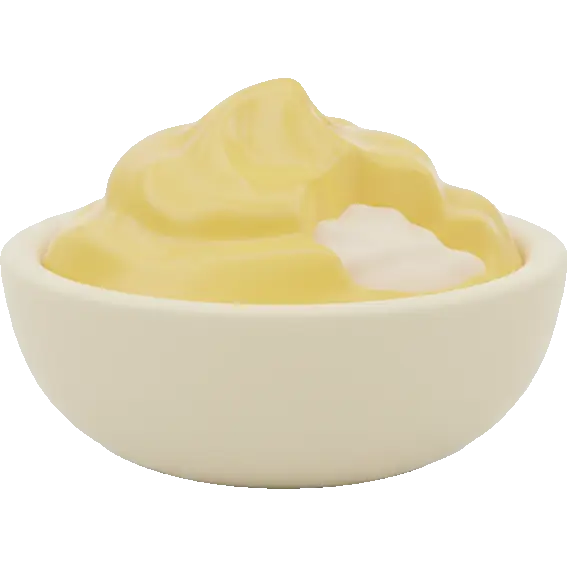
clotted cream
Dairy & Alternatives
Is clotted cream high in nitrites?
Is clotted cream high or low in nitrites? See its exact rating, how much counts as a portion, and its FODMAP, salicylate, oxalate and diet compatibility in one place.
Related checkers
Compare clotted cream across criteria
Sensitivity notes
Why nitrites food checker matters
Nitrites are preservatives commonly used in cured meats. Some people are sensitive to them, experiencing headaches, flushing, or other symptoms after consumption.
- Choose uncured or 'no nitrates/nitrites added' meat products
- Note that 'natural' nitrites from celery powder act the same way
- Fresh meat is nitrite-free
- Bacon, hot dogs, and deli meats are common sources
- Vegetables like celery and beets contain natural nitrates
Sensitivities
What clotted cream contains
FODMAPs
Histamine & Amines
Plant compounds
Irritants
Additives
Allergens
Diet fit
Where clotted cream fits
Therapeutic diets
Lifestyle diets
Religious diets
What to know about clotted cream
Clotted cream is made by baking or steaming full-fat cream slowly until a thick golden crust forms, and the result is roughly 55 to 64 percent butterfat, richer than double cream and closer in texture to soft butter. That fat content leads a lot of people to assume it must be low in lactose, and here the grading disagrees: clotted cream is D for lactose and E for dairy proteins, the top band. Casein and whey do not cook out, and the milk sugar that stays behind in the water fraction is still enough to matter at cream-tea portions. It also grades D for FODMAPs and D on the SIBO scale. If dairy is on your suspect list, clotted cream is not the safe end of the dairy shelf.
Watch for
- Dairy proteins E, the highest band.Casein and whey survive the long slow heating, so a cows milk protein sensitivity reacts to clotted cream exactly as it does to milk
- Lactose D despite the very high fat.The fat crowds out water, not the milk sugar that is dissolved in it, and cream teas are not eaten by the teaspoon
- FODMAP D and SIBO D, which is the bloating and gas half of the picture rather than the immune half
- Histamine C and tyramine C.Both are moderate rather than high, but they nudge upward in cream that has sat open or is near the end of its date
- Pro-inflammatory at D, and it is served on scones with jam, so the real-world trigger event is usually the whole cream tea rather than the cream alone


Explore related in Dairy & Alternatives
Compare similar foods to build a personalized list of swaps that work for your system.

Nitrites Guide
Everything you need to know about nitrites sensitivity and smart food choices.
Nitrites are preservatives commonly used in cured meats. Some people are sensitive to them, experiencing headaches, flushing, or other symptoms after consumption.
Sensitivity varies widely. What triggers one person may be fine for another. Track your reactions to find your personal threshold.
These foods are generally well-tolerated for Nitrites sensitivity:
View all safe options







These foods have moderate levels and may be tolerated in small amounts:
These foods are high in nitrites and may trigger symptoms:
View full list


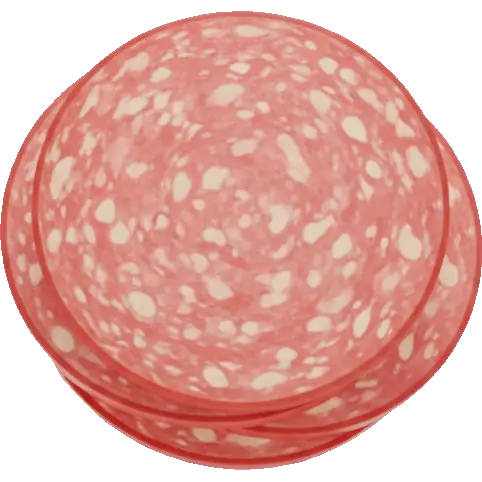
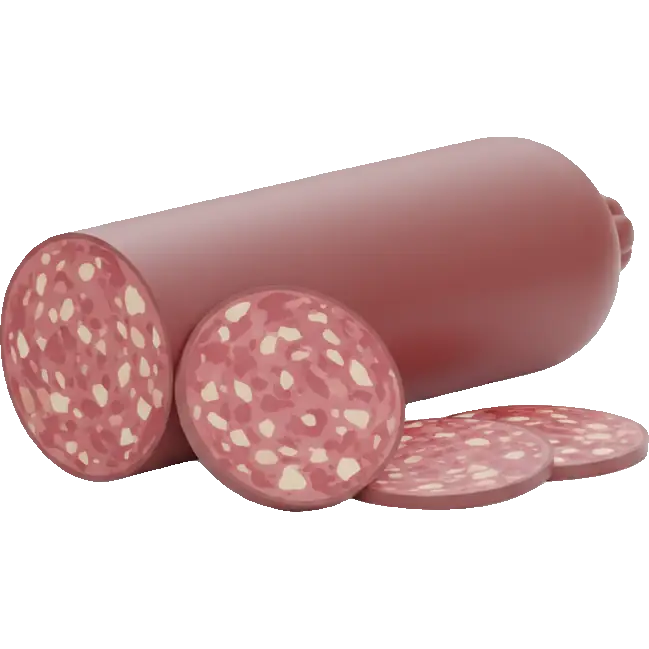

If you're sensitive to Nitrites, consider these strategies:
- 1Choose uncured or 'no nitrates/nitrites added' meat products
- 2Note that 'natural' nitrites from celery powder act the same way
- 3Fresh meat is nitrite-free
- 4Bacon, hot dogs, and deli meats are common sources
- 5Vegetables like celery and beets contain natural nitrates
Pro tip: Keep a food diary to track your reactions. The Triggerbites app makes this easy with automatic pattern detection.
Want personalized tracking?
Download Triggerbites to log meals, track symptoms, and discover your unique triggers.
Get the AppFAQ
Is clotted cream high in Nitrites?
Nitrites: low signal for most people.
Can I still eat clotted cream if I'm sensitive to Nitrites?
Usually fine in normal portions.
What else should I check?
Check Dairy Proteins, Vegan, and AIP next for a fuller picture.