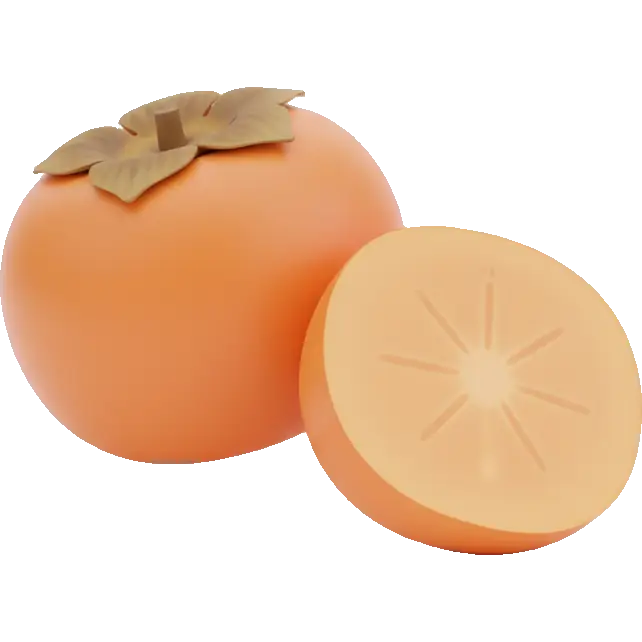
persimmon
Fruit
Is persimmon mediterranean-compatible?
See whether persimmon fits a mediterranean diet, with a clear compatible-or-avoid verdict plus its FODMAP, histamine and other trigger ratings in one place.
Related checkers
Compare persimmon across criteria
Sensitivity notes
Why mediterranean diet checker matters
The Mediterranean diet is based on traditional foods from countries bordering the Mediterranean Sea. It emphasizes olive oil, fish, vegetables, whole grains, and moderate wine consumption while limiting red meat and processed foods.
- Make olive oil your primary fat source
- Eat fish at least twice per week
- Enjoy meals with family and friends - it's part of the lifestyle
- Red wine in moderation (optional) with meals
- Limit red meat to a few times per month
Sensitivities
What persimmon contains
FODMAPs
Histamine & Amines
Plant compounds
Irritants
Additives
Allergens
Diet fit
Where persimmon fits
Therapeutic diets
Lifestyle diets
Religious diets
What to know about persimmon
Persimmon is graded high FODMAP, and the reason is excess fructose rather than the fructans that catch most people out, with a moderate sorbitol load on top. It is otherwise a remarkably clean fruit: low histamine, no liberator activity, no lactose, gluten, nickel or free glutamate, and only moderate salicylate. The trigger persimmon is genuinely famous for is not a food chemical at all. Unripe astringent varieties are loaded with soluble tannins that polymerise in stomach acid, and persimmon is the single most common food cause of a gastric bezoar, which is why ripeness and variety matter more here than with any other fruit.
Watch for
- High FODMAP driven by excess fructose, so a whole fruit can bring on bloating, wind or loose stools in people who tolerate low fructose fruit fine, with a moderate sorbitol load adding to the effect
- Unripe astringent persimmon is exceptionally high in soluble tannins, which react with stomach acid and can clump into a hard mass called a diospyrobezoar.Persimmon is the most frequently reported food behind these
- Bezoar risk is concentrated in people with slow stomach emptying: previous gastric surgery, diabetic gastroparesis, or low stomach acid.It is not a general warning for people with normal digestion eating ripe fruit
- The astringent versus non astringent split is the practical fix.Acorn shaped astringent types such as hachiya are only safe to eat when fully soft and jelly like, while squat non astringent types such as fuyu can be eaten firm and crisp
- Dried persimmon concentrates several fruits worth of fructose into a few small pieces, so the FODMAP load per portion climbs sharply while salicylate, already moderate in the fresh fruit, concentrates with it




Explore related in Fruit
Compare similar foods to build a personalized list of swaps that work for your system.

Mediterranean Guide
Everything you need to know about mediterranean compatibility and smart food choices.
The Mediterranean diet is based on traditional foods from countries bordering the Mediterranean Sea. It emphasizes olive oil, fish, vegetables, whole grains, and moderate wine consumption while limiting red meat and processed foods.
These foods are typically compatible with a Mediterranean approach:
View all safe options





Practical guidance for following a Mediterranean diet:
- 1Make olive oil your primary fat source
- 2Eat fish at least twice per week
- 3Enjoy meals with family and friends - it's part of the lifestyle
- 4Red wine in moderation (optional) with meals
- 5Limit red meat to a few times per month
Pro tip: Keep a food diary to track your reactions. The Triggerbites app makes this easy with automatic pattern detection.
Want personalized tracking?
Download Triggerbites to log meals, track symptoms, and discover your unique triggers.
Get the AppFAQ
Does persimmon fit a mediterranean diet?
Mediterranean: fits well for most plans.
What if I eat it occasionally?
Still check preparation and add-ins.
What are safer swaps?
Compare within the Fruit group.