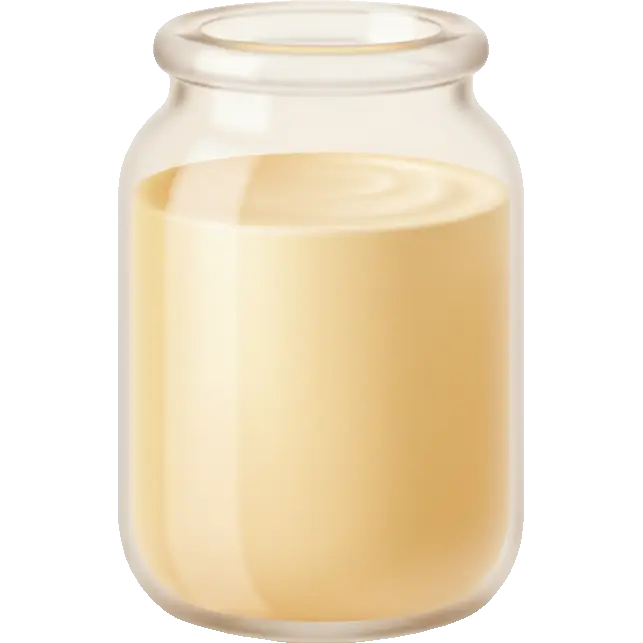
invert sugar
Sweeteners
Is invert sugar mediterranean-compatible?
See whether invert sugar fits a mediterranean diet, with a clear compatible-or-avoid verdict plus its FODMAP, histamine and other trigger ratings in one place.
Related checkers
Compare invert sugar across criteria
Sensitivity notes
Why mediterranean diet checker matters
The Mediterranean diet is based on traditional foods from countries bordering the Mediterranean Sea. It emphasizes olive oil, fish, vegetables, whole grains, and moderate wine consumption while limiting red meat and processed foods.
- Make olive oil your primary fat source
- Eat fish at least twice per week
- Enjoy meals with family and friends - it's part of the lifestyle
- Red wine in moderation (optional) with meals
- Limit red meat to a few times per month
Sensitivities
What invert sugar contains
FODMAPs
Histamine & Amines
Plant compounds
Irritants
Additives
Allergens
Diet fit
Where invert sugar fits
Therapeutic diets
Lifestyle diets
Religious diets
What to know about invert sugar
Invert sugar is table sugar taken apart. Sucrose is a glucose molecule bonded to a fructose molecule, and heating it with acid or treating it with the enzyme invertase splits that bond, leaving a syrup of free glucose and free fructose in roughly equal measure. Confectioners use it because it resists crystallising, holds moisture and browns readily, which is why it turns up in fondant, soft centred chocolates, commercial cakes and ice cream. For anyone tracking fructose, the split is the point: sucrose and invert sugar deliver the same molecules, but invert sugar delivers the fructose already free.
Watch for
- Free fructose behaves differently from bonded fructose for people with fructose malabsorption.Sucrose is absorbed with glucose alongside it, which helps fructose across the gut wall; invert sugar arrives with the bond already broken. If sugar is fine for you but honey and apples are not, invert sugar belongs on the list to test.
- This row is not flagged on excess fructose, which is worth knowing rather than trusting.A syrup that is around half free fructose by composition sitting at a clean grade looks like a gap in the data rather than a finding.
- It grades poorly for low fermentation SIBO protocols and pro inflammatory, both of which are really statements about a concentrated free sugar rather than about anything specific to inversion.
- It hides under several names.Trimoline is a trade name, and labels may say invert syrup, inverted sugar syrup or partially inverted refiners syrup. Golden syrup is a partially inverted product too.
- Honey is naturally an invert sugar, produced by bee invertase acting on nectar sucrose.If honey reliably causes symptoms and you assumed it was the fructose, invert sugar is the same proposition without the pollen.





Explore related in Sweeteners
Compare similar foods to build a personalized list of swaps that work for your system.

Mediterranean Guide
Everything you need to know about mediterranean compatibility and smart food choices.
The Mediterranean diet is based on traditional foods from countries bordering the Mediterranean Sea. It emphasizes olive oil, fish, vegetables, whole grains, and moderate wine consumption while limiting red meat and processed foods.
These foods are typically compatible with a Mediterranean approach:
View all safe options





Practical guidance for following a Mediterranean diet:
- 1Make olive oil your primary fat source
- 2Eat fish at least twice per week
- 3Enjoy meals with family and friends - it's part of the lifestyle
- 4Red wine in moderation (optional) with meals
- 5Limit red meat to a few times per month
Pro tip: Keep a food diary to track your reactions. The Triggerbites app makes this easy with automatic pattern detection.
Want personalized tracking?
Download Triggerbites to log meals, track symptoms, and discover your unique triggers.
Get the AppFAQ
Does invert sugar fit a mediterranean diet?
Mediterranean: avoid for strict plans.
What if I eat it occasionally?
Occasional use may break strict plans.
What are safer swaps?
Compare within the Sweeteners group.