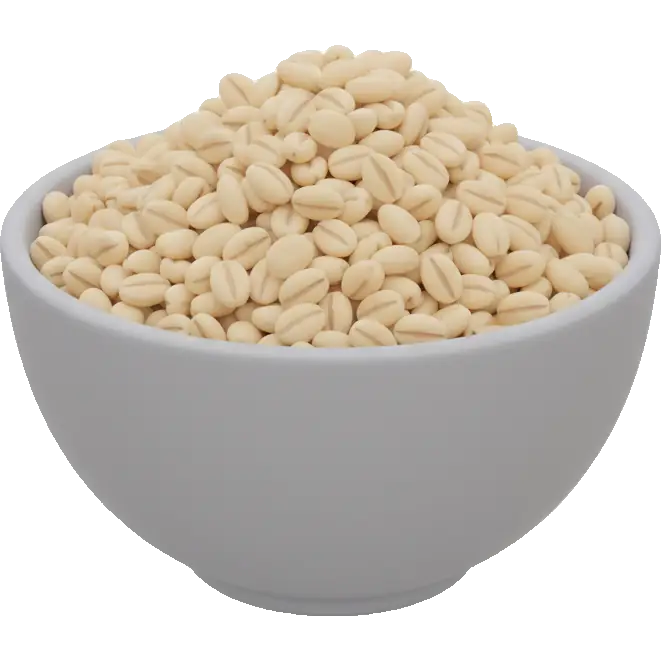
barley groats
Grains
Is barley groats mediterranean-compatible?
See whether barley groats fits a mediterranean diet, with a clear compatible-or-avoid verdict plus its FODMAP, histamine and other trigger ratings in one place.
Related checkers
Compare barley groats across criteria
Sensitivity notes
Why mediterranean diet checker matters
The Mediterranean diet is based on traditional foods from countries bordering the Mediterranean Sea. It emphasizes olive oil, fish, vegetables, whole grains, and moderate wine consumption while limiting red meat and processed foods.
- Make olive oil your primary fat source
- Eat fish at least twice per week
- Enjoy meals with family and friends - it's part of the lifestyle
- Red wine in moderation (optional) with meals
- Limit red meat to a few times per month
Sensitivities
What barley groats contains
FODMAPs
Histamine & Amines
Plant compounds
Irritants
Additives
Allergens
Diet fit
Where barley groats fits
Therapeutic diets
Lifestyle diets
Religious diets
What to know about barley groats
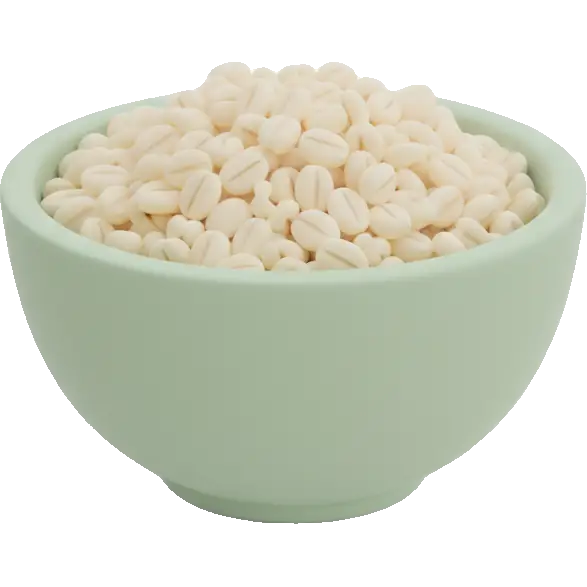
Barley groats are barley in its least-processed edible form: only the inedible outer hull has been taken off, leaving the bran and the germ on the kernel. That is what separates them from pearl barley, which has been tumbled against abrasive surfaces until the bran is polished away. Groats take forty minutes to an hour to soften and stay firm and chewy, and they are the version that turns up in whole-grain salads, soups and grain bowls. Their trigger profile is unusually narrow. This is a food with exactly two problems: it is a gluten grain, so coeliac disease rules it out outright, and it is high in fructans and rated high FODMAP. Outside those two, we grade barley groats clean across the board, on histamine, histamine liberation, salicylates, oxalate, nickel, lectins, glutamates, tyramine, sulfites and dairy protein, and it grades well on small-intestinal fermentation too. If you are chasing something other than gluten or FODMAPs, the whole barley kernel is rarely your culprit.
Watch for
- A gluten grain, which the packaging rarely says loudly.Hulled barley is sold in the ancient-grain and wholefood bins right next to quinoa, millet and buckwheat, which are all gluten free, and it is the one in that row that is not
- High in fructans and rated high FODMAP, so the portion is the variable that matters.A scattering through a salad and a full grain-bowl base are different exposures
- Fructans are water soluble, so in a long-simmered soup or broth they leach out into the liquid.Fishing the grain out of the bowl does not give you a low FODMAP soup
- Clean on histamine, salicylates, oxalate, nickel, lectins, glutamates and sulfites, which makes it a useful control food when you are trying to isolate a non-gluten trigger
- Rich in beta-glucan soluble fibre, so a sudden jump from refined grains to whole barley commonly brings a week or two of wind before the gut settles


Explore related in Grains
Compare similar foods to build a personalized list of swaps that work for your system.



Mediterranean Guide
Everything you need to know about mediterranean compatibility and smart food choices.
The Mediterranean diet is based on traditional foods from countries bordering the Mediterranean Sea. It emphasizes olive oil, fish, vegetables, whole grains, and moderate wine consumption while limiting red meat and processed foods.
These foods are typically compatible with a Mediterranean approach:
View all safe options





Practical guidance for following a Mediterranean diet:
- 1Make olive oil your primary fat source
- 2Eat fish at least twice per week
- 3Enjoy meals with family and friends - it's part of the lifestyle
- 4Red wine in moderation (optional) with meals
- 5Limit red meat to a few times per month
Pro tip: Keep a food diary to track your reactions. The Triggerbites app makes this easy with automatic pattern detection.
Want personalized tracking?
Download Triggerbites to log meals, track symptoms, and discover your unique triggers.
Get the AppFAQ
Does barley groats fit a mediterranean diet?
Mediterranean: mixed fit - check ingredients.
What if I eat it occasionally?
Keep portions small and verify ingredients.
What are safer swaps?
Compare within the Grains group.