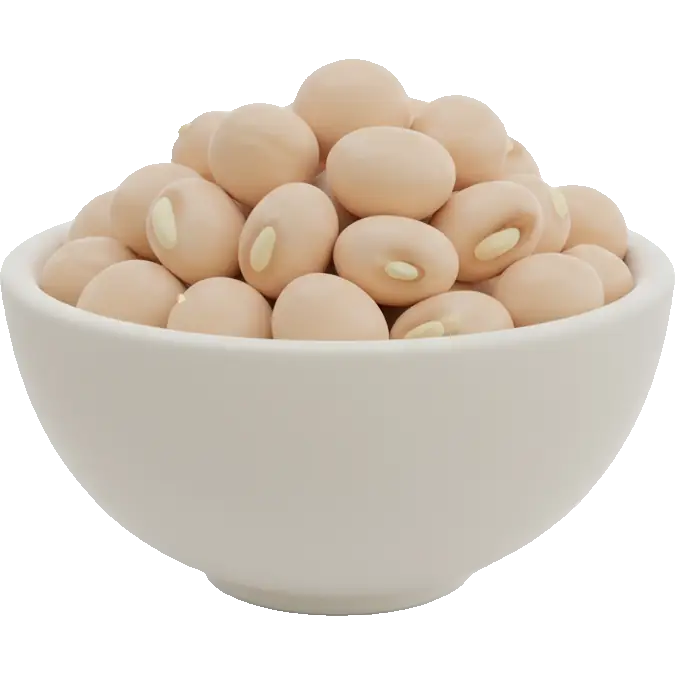
pigeon peas
Legumes/Pulses
Is pigeon peas low salicylate-compatible?
See whether pigeon peas fits a low salicylate diet, with a clear compatible-or-avoid verdict plus its FODMAP, histamine and other trigger ratings in one place.
Related checkers
Compare pigeon peas across criteria
Sensitivity notes
Why low salicylate diet checker matters
Low Salicylate affects how your body responds to certain foods. Understanding your personal tolerance helps you make informed choices.
- Keep a detailed food and symptom diary to track your personal reactions
- Eliminate the suspected trigger completely for 2-4 weeks
- Reintroduce gradually to find your personal tolerance threshold
- Work with a healthcare provider or registered dietitian for guidance
- Remember that food sensitivities can change over time
Sensitivities
What pigeon peas contains
FODMAPs
Histamine & Amines
Plant compounds
Irritants
Additives
Allergens
Diet fit
Where pigeon peas fits
Therapeutic diets
Lifestyle diets
Religious diets
What to know about pigeon peas
Pigeon peas are effectively two foods under one name: the green gandules sold fresh, frozen or tinned for arroz con gandules, and the dried hulled split pulse sold as toor or arhar dal, the base of sambar and everyday Indian dal. Both forms rate at the top for galacto-oligosaccharides and poorly for SIBO, and both are high in nickel and lectins with moderate salicylate and oxalate. The point worth knowing is that splitting and hulling the dal, which is what lets it cook in twenty minutes without soaking, removes the fibrous seed coat but not the fermentable sugars, because those are stored in the body of the seed. Dal is not the low-FODMAP legume it is widely assumed to be.
Watch for
- Top GOS rating in both forms; quick-cooking split dal is no lower in fermentable sugars than the whole green pea, because hulling takes off the skin while the oligosaccharides sit in the seed itself
- Rated poor for SIBO, and dal tends to be eaten daily rather than occasionally, so frequency matters here as much as portion size
- Toor dal is often sold oily, coated in edible oil to keep pests out during storage; wash it in warm water until the water runs clear before cooking, both to shift the coating and to remove surface starch
- Tinned gandules usually arrive in seasoned brine, and the arroz con gandules around them brings sofrito onion and garlic fructans plus cured pork, so the peas are only one part of what you actually logged
- High in nickel and lectins; a pressure cooker takes dal past boiling point and handles the lectins along the way, whereas a long low simmer from raw may never get hot enough

Explore related in Legumes/Pulses
Compare similar foods to build a personalized list of swaps that work for your system.


Low Salicylate Guide
Everything you need to know about low salicylate compatibility and smart food choices.
Low Salicylate affects how your body responds to certain foods. Understanding your personal tolerance helps you make informed choices.
These foods are typically compatible with a Low Salicylate approach:
View all safe options






Practical guidance for following a Low Salicylate diet:
- 1Keep a detailed food and symptom diary to track your personal reactions
- 2Eliminate the suspected trigger completely for 2-4 weeks
- 3Reintroduce gradually to find your personal tolerance threshold
- 4Work with a healthcare provider or registered dietitian for guidance
- 5Remember that food sensitivities can change over time
Pro tip: Keep a food diary to track your reactions. The Triggerbites app makes this easy with automatic pattern detection.
Want personalized tracking?
Download Triggerbites to log meals, track symptoms, and discover your unique triggers.
Get the AppFAQ
Does pigeon peas fit a low salicylate diet?
Low Salicylate: mixed fit - check ingredients.
What if I eat it occasionally?
Keep portions small and verify ingredients.
What are safer swaps?
Compare within the Legumes/Pulses group.