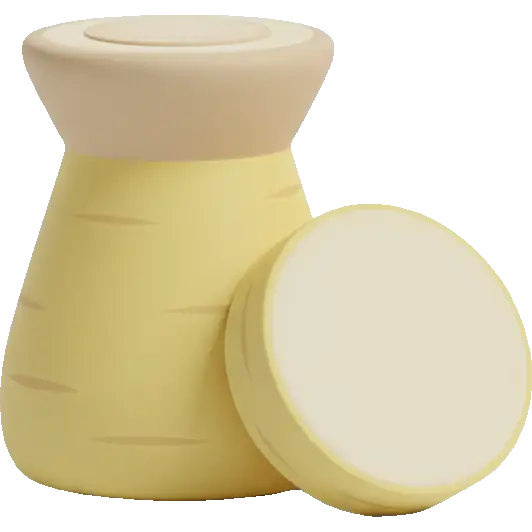
parsnip root
Vegetables
Is parsnip root low salicylate-compatible?
See whether parsnip root fits a low salicylate diet, with a clear compatible-or-avoid verdict plus its FODMAP, histamine and other trigger ratings in one place.
Related checkers
Compare parsnip root across criteria
Sensitivity notes
Why low salicylate diet checker matters
Low Salicylate affects how your body responds to certain foods. Understanding your personal tolerance helps you make informed choices.
- Keep a detailed food and symptom diary to track your personal reactions
- Eliminate the suspected trigger completely for 2-4 weeks
- Reintroduce gradually to find your personal tolerance threshold
- Work with a healthcare provider or registered dietitian for guidance
- Remember that food sensitivities can change over time
Sensitivities
What parsnip root contains
FODMAPs
Histamine & Amines
Plant compounds
Irritants
Additives
Allergens
Diet fit
Where parsnip root fits
Therapeutic diets
Lifestyle diets
Religious diets
What to know about parsnip root
Parsnip root is rated clean on almost every food chemistry trigger we track: no gluten, no lactose or dairy protein, nothing on histamine or histamine liberation, no nightshade, no sulfites, no free glutamate, and low FODMAP at a normal roasting portion. What it carries is a moderate salicylate and oxalate rating rather than a high one, plus the odd distinction of being one of the few vegetables that can burn your skin before it ever reaches the plate. Parsnip foliage and sap are rich in furanocoumarins, which react with sunlight, so the classic parsnip complaint is a streaky rash on the forearms of whoever pulled or peeled a pile of them, not indigestion after dinner.
Watch for
- Sap plus sunlight causes phytophotodermatitis: a burn-like, sometimes blistering rash in streaks where the leaves or cut sap touched skin, appearing a day or two later and often leaving brown marks for weeks.Gloves and sleeves when harvesting or peeling a large batch prevent it. Eating cooked parsnip does not do this
- Furanocoumarin levels climb in roots that are bruised, blackened, mouldy or very long stored, so cut damaged parts away generously instead of trimming lightly
- Salicylates rated moderate: nowhere near the level of berries or dried herbs, but during the strict phase of a salicylate elimination it still counts as a middle-of-the-road food rather than a free one
- Oxalate rated moderate here, and published oxalate figures for parsnip vary widely between tables.If you are managing kidney stones, treat it as a food to test and log rather than one to assume either way
- Parsnip sits in the carrot and celery family, so people with birch pollen cross-reactivity can get an itchy or tingling mouth from raw parsnip.Cooking usually breaks down the proteins responsible
Explore related in Vegetables
Compare similar foods to build a personalized list of swaps that work for your system.




Low Salicylate Guide
Everything you need to know about low salicylate compatibility and smart food choices.
Low Salicylate affects how your body responds to certain foods. Understanding your personal tolerance helps you make informed choices.
These foods are typically compatible with a Low Salicylate approach:
View all safe options







Practical guidance for following a Low Salicylate diet:
- 1Keep a detailed food and symptom diary to track your personal reactions
- 2Eliminate the suspected trigger completely for 2-4 weeks
- 3Reintroduce gradually to find your personal tolerance threshold
- 4Work with a healthcare provider or registered dietitian for guidance
- 5Remember that food sensitivities can change over time
Pro tip: Keep a food diary to track your reactions. The Triggerbites app makes this easy with automatic pattern detection.
Want personalized tracking?
Download Triggerbites to log meals, track symptoms, and discover your unique triggers.
Get the AppFAQ
Does parsnip root fit a low salicylate diet?
Low Salicylate: mixed fit - check ingredients.
What if I eat it occasionally?
Keep portions small and verify ingredients.
What are safer swaps?
Compare within the Vegetables group.