
duck breast
Meat
Is duck breast high in histamine liberators?
Is duck breast high or low in histamine liberators? See its exact rating, how much counts as a portion, and its FODMAP, salicylate, oxalate and diet compatibility in one place.
Related checkers
Compare duck breast across criteria
Sensitivity notes
Why histamine liberators food checker matters
Histamine liberators are foods that don't contain much histamine themselves but can trigger your body to release stored histamine. This can cause similar symptoms to high-histamine foods in sensitive individuals.
- Avoid histamine liberators alongside high-histamine foods
- Common liberators include citrus, strawberries, tomatoes, and chocolate
- Your tolerance may vary based on overall histamine load
- Keep a symptom diary to identify your personal triggers
- Consider your total 'histamine bucket' - liberators add to it
Sensitivities
What duck breast contains
FODMAPs
Histamine & Amines
Plant compounds
Irritants
Additives
Allergens
Diet fit
Where duck breast fits
Therapeutic diets
Lifestyle diets
Religious diets
What to know about duck breast
Duck breast, the cut French menus call magret, is graded clean across every food-chemistry trigger we track: no FODMAPs, no lactose or gluten, no salicylates, oxalates, nickel, sulfites, nitrites or free glutamate, and low on both histamine and histamine liberation. It is a plain muscle cut with a fat cap, so the trigger question is almost never the duck itself. It is what happens before it reaches the pan. Restaurant and butcher duck breast is frequently hung or dry-aged for several days to concentrate flavour and dry the skin, and protein that sits and ages accumulates biogenic amines the way a fresh-killed bird does not. Cured duck breast is a different food again: duck ham and magret seche are salt-cured and air-dried for weeks, which puts them in the same amine bracket as prosciutto rather than anywhere near a fresh breast.
Watch for
- Dry-aged or hung duck breast is not the same as fresh.Ageing is exactly the condition that lets biogenic amines build up in meat, so if you are tracking histamine, ask how long the breast was hung and buy it as fresh as you can
- Cured duck breast (duck ham, duck prosciutto, magret seche) is salt-cured and air-dried for weeks and often nitrite-cured on top of that.Log it as a cured meat, not as duck
- Duck breast is usually served pink, which means leftovers get eaten cold or barely reheated.Cooked meat kept a few days in the fridge climbs in amines, so cold sliced duck the following weekend is a more likely flag than the meal itself
- The sauce carries the triggers here far more often than the meat: cherry, orange and plum glazes bring salicylates and fructose, and the standard reduction is built on wine and shallot
- Duck is a rich, fatty cut and lands at B for anti-inflammatory fit and B for DASH, so it is a treat protein on those patterns rather than an everyday one







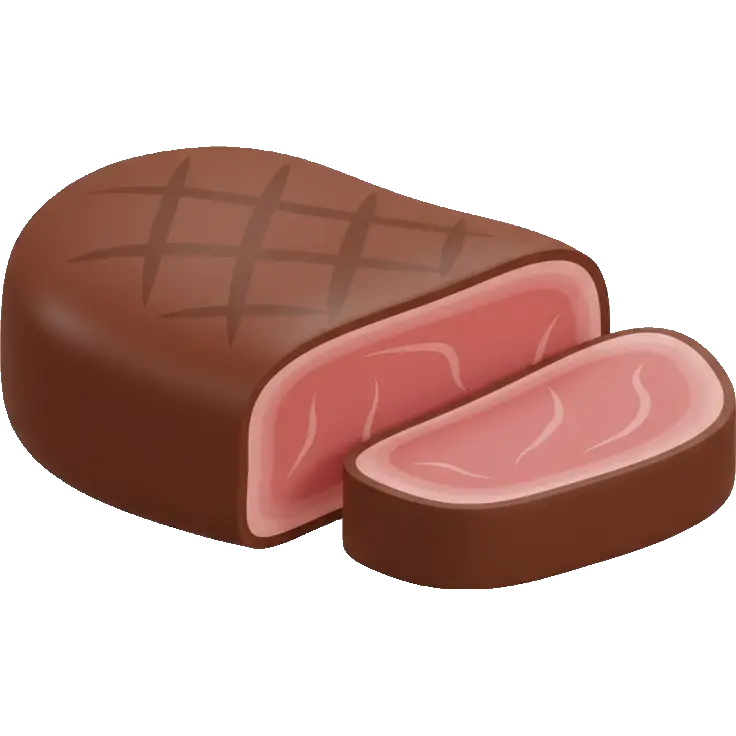
Explore related in Meat
Compare similar foods to build a personalized list of swaps that work for your system.


Histamine Liberators Guide
Everything you need to know about histamine liberators sensitivity and smart food choices.
Histamine liberators are foods that don't contain much histamine themselves but can trigger your body to release stored histamine. This can cause similar symptoms to high-histamine foods in sensitive individuals.
Sensitivity varies widely. What triggers one person may be fine for another. Track your reactions to find your personal threshold.
These foods are generally well-tolerated for Histamine Liberators sensitivity:
View all safe options






These foods have moderate levels and may be tolerated in small amounts:








These foods are high in histamine liberators and may trigger symptoms:
View full list



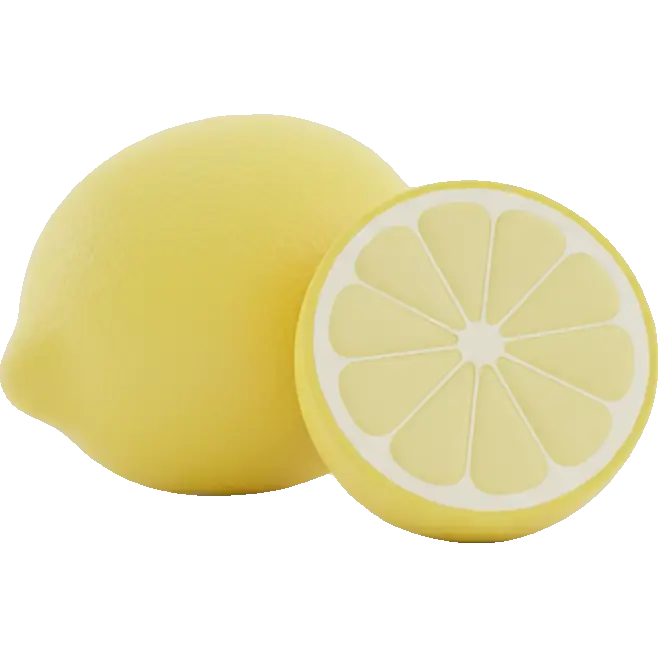


If you're sensitive to Histamine Liberators, consider these strategies:
- 1Avoid histamine liberators alongside high-histamine foods
- 2Common liberators include citrus, strawberries, tomatoes, and chocolate
- 3Your tolerance may vary based on overall histamine load
- 4Keep a symptom diary to identify your personal triggers
- 5Consider your total 'histamine bucket' - liberators add to it
Pro tip: Keep a food diary to track your reactions. The Triggerbites app makes this easy with automatic pattern detection.
Want personalized tracking?
Download Triggerbites to log meals, track symptoms, and discover your unique triggers.
Get the AppFAQ
Is duck breast high in Histamine Liberators?
Histamine Liberators: low signal for most people.
Can I still eat duck breast if I'm sensitive to Histamine Liberators?
Usually fine in normal portions.
What else should I check?
Check Vegan, Vegetarian, and Pescatarian next for a fuller picture.