 Back to Histamine food checker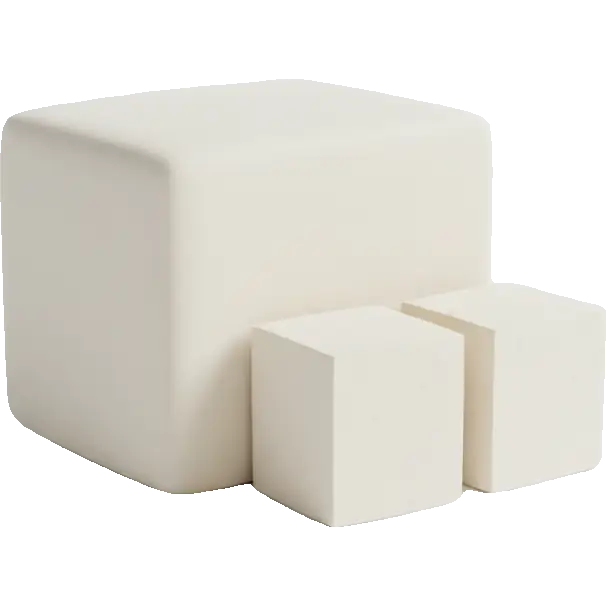
tofu
Legumes/Pulses
Is tofu high in histamine?
Is tofu high or low in histamine? See its exact rating, how much counts as a portion, and its FODMAP, salicylate, oxalate and diet compatibility in one place.

Related checkers
Compare tofu across criteria

Sensitivity notes
Why histamine food checker matters
Histamine is a compound naturally present in many foods, especially aged, fermented, or preserved items. In sensitive individuals, excess histamine can cause headaches, flushing, hives, digestive issues, and other symptoms. Your body normally breaks down histamine, but some people have reduced capacity to do so.
- Focus on fresh foods - histamine builds up as food ages
- Cook and eat meals fresh; avoid leftovers sitting more than 24 hours
- Be cautious with fermented foods, aged cheeses, and cured meats
- Consider that stress and hormones can affect your histamine tolerance
- Some antihistamines or DAO supplements may help (consult your doctor)

Sensitivities
What tofu contains
FODMAPs







Histamine & Amines



Plant compounds




Irritants




Additives


Allergens
















Diet fit
Where tofu fits
Therapeutic diets










Lifestyle diets








Religious diets






What to know about tofu
Tofu is clean on histamine, gluten and lactose, but it is high in oxalate and high in nickel, and because it is made from soybeans it is a recognised EoE and elimination-diet trigger. Its FODMAP status is texture-dependent: firm and extra-firm tofu are low FODMAP because the GOS-rich liquid is pressed out, while silken tofu holds more and sits higher. So the usual reasons tofu bothers people are oxalate and nickel, not gluten.
Watch for
- High in oxalate, especially calcium-set tofu, which can be a problem if you are prone to kidney stones or oxalate-related symptoms
- High in nickel, so regular tofu-heavy meals can add up for people with systemic nickel allergy
- Firm and extra-firm tofu are low FODMAP; silken tofu is higher, so swap the texture before you cut it out
- Soy is a top EoE and six-food-elimination trigger, so tofu comes off the list on those protocols

Explore related in Legumes/Pulses
Compare similar foods to build a personalized list of swaps that work for your system.

Histamine Guide
Everything you need to know about histamine sensitivity and smart food choices.
Histamine is a compound naturally present in many foods, especially aged, fermented, or preserved items. In sensitive individuals, excess histamine can cause headaches, flushing, hives, digestive issues, and other symptoms. Your body normally breaks down histamine, but some people have reduced capacity to do so.
Sensitivity varies widely. What triggers one person may be fine for another. Track your reactions to find your personal threshold.

These foods are generally well-tolerated for Histamine sensitivity:
View all safe options








These foods have moderate levels and may be tolerated in small amounts:






These foods are high in histamine and may trigger symptoms:
View full list






If you're sensitive to Histamine, consider these strategies:
- 1Focus on fresh foods - histamine builds up as food ages
- 2Cook and eat meals fresh; avoid leftovers sitting more than 24 hours
- 3Be cautious with fermented foods, aged cheeses, and cured meats
- 4Consider that stress and hormones can affect your histamine tolerance
- 5Some antihistamines or DAO supplements may help (consult your doctor)
Pro tip: Keep a food diary to track your reactions. The Triggerbites app makes this easy with automatic pattern detection.
Want personalized tracking?
Download Triggerbites to log meals, track symptoms, and discover your unique triggers.
Get the AppFAQ
Is tofu high in Histamine?
Histamine: low signal for most people.
Can I still eat tofu if I'm sensitive to Histamine?
Usually fine in normal portions.
What else should I check?
Check Soy, Oxalates, and Lectin next for a fuller picture.