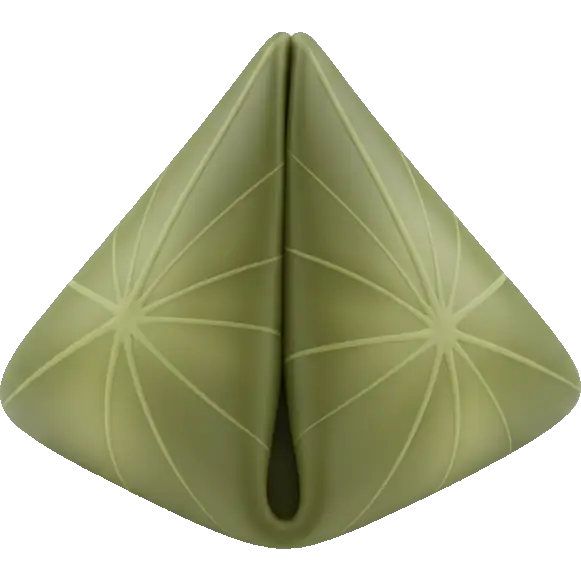
lotus leaf
Vegetables
Is lotus leaf high in histamine?
Is lotus leaf high or low in histamine? See its exact rating, how much counts as a portion, and its FODMAP, salicylate, oxalate and diet compatibility in one place.
Related checkers
Compare lotus leaf across criteria
Sensitivity notes
Why histamine food checker matters
Histamine is a compound naturally present in many foods, especially aged, fermented, or preserved items. In sensitive individuals, excess histamine can cause headaches, flushing, hives, digestive issues, and other symptoms. Your body normally breaks down histamine, but some people have reduced capacity to do so.
- Focus on fresh foods - histamine builds up as food ages
- Cook and eat meals fresh; avoid leftovers sitting more than 24 hours
- Be cautious with fermented foods, aged cheeses, and cured meats
- Consider that stress and hormones can affect your histamine tolerance
- Some antihistamines or DAO supplements may help (consult your doctor)
Sensitivities
What lotus leaf contains
FODMAPs
Histamine & Amines
Plant compounds
Irritants
Additives
Allergens
Diet fit
Where lotus leaf fits
Therapeutic diets
Lifestyle diets
Religious diets
What to know about lotus leaf
Lotus leaf is the large round leaf of the lotus plant, and it reaches people in two completely different ways. Wrapped around sticky rice for lo mai gai, zongzi or beggar chicken, it is a flavour vessel: it perfumes the food, then you unwrap it and throw it away, so your actual intake is close to zero. Brewed as he ye tea or sold as a slimming extract, it becomes something you consume directly, every day, in concentrated form. The grades here, clean on histamine, histamine liberation, tyramine, nickel, sulfites, glutamates and every FODMAP subgroup, with only salicylate and oxalate borderline, describe the leaf as a food. They do not describe a supplement dose, and the difference matters more on this page than on almost any other.
Watch for
- Wrapping is not eating.If lotus leaf rice disagreed with you, the suspects are the glutinous rice, the Chinese sausage, the dried shrimp, the shiitake and the soy and oyster sauces inside the parcel, all of which carry heavier trigger loads than the leaf you discarded.
- The tea is a different exposure entirely.Lotus leaf contains aporphine alkaloids, nuciferine among them, which is why it has a traditional medicinal use rather than a culinary one. A daily concentrated infusion or an extract capsule delivers those compounds in a way a wrapper never does, and there is no established safe daily dose for them.
- Be careful with slimming products built on it.Lotus leaf is a staple of the weight loss tea category, which has a long record of products adulterated with undeclared laxatives and pharmaceuticals. Cramping and urgent diarrhoea from a slimming tea is far more likely to be what was added than the leaf on the label.
- Borderline on salicylate and oxalate, low enough to be a footnote in the food form and worth a second thought if you are drinking it daily on a strict elimination diet.
- This is not the same entry as lotus root.The root is the starchy rhizome you slice and stir fry, and it carries its own separate cautions. Logging one does not cover the other.



Explore related in Vegetables
Compare similar foods to build a personalized list of swaps that work for your system.



Histamine Guide
Everything you need to know about histamine sensitivity and smart food choices.
Histamine is a compound naturally present in many foods, especially aged, fermented, or preserved items. In sensitive individuals, excess histamine can cause headaches, flushing, hives, digestive issues, and other symptoms. Your body normally breaks down histamine, but some people have reduced capacity to do so.
Sensitivity varies widely. What triggers one person may be fine for another. Track your reactions to find your personal threshold.
These foods are generally well-tolerated for Histamine sensitivity:
View all safe options






These foods have moderate levels and may be tolerated in small amounts:






These foods are high in histamine and may trigger symptoms:
View full list



If you're sensitive to Histamine, consider these strategies:
- 1Focus on fresh foods - histamine builds up as food ages
- 2Cook and eat meals fresh; avoid leftovers sitting more than 24 hours
- 3Be cautious with fermented foods, aged cheeses, and cured meats
- 4Consider that stress and hormones can affect your histamine tolerance
- 5Some antihistamines or DAO supplements may help (consult your doctor)
Pro tip: Keep a food diary to track your reactions. The Triggerbites app makes this easy with automatic pattern detection.
Want personalized tracking?
Download Triggerbites to log meals, track symptoms, and discover your unique triggers.
Get the AppFAQ
Is lotus leaf high in Histamine?
Histamine: low signal for most people.
Can I still eat lotus leaf if I'm sensitive to Histamine?
Usually fine in normal portions.
What else should I check?
Check Low Fibre, Gastroparesis Diet, and Salicylates next for a fuller picture.