 Back to GOS food checker
potassium chloride
Additives & Leavening
Is potassium chloride high in gos?
Is potassium chloride high or low in gos? See its exact rating, how much counts as a portion, and its FODMAP, salicylate, oxalate and diet compatibility in one place.

Related checkers
Compare potassium chloride across criteria

Sensitivity notes
Why gos food checker matters
Galacto-oligosaccharides (GOS) are carbohydrates found mainly in legumes and some vegetables. They're a FODMAP that can ferment in the gut, causing bloating and discomfort in sensitive people.
- Canned and rinsed legumes are lower in GOS than dried
- Start with smaller portions and build up tolerance
- Some people find beano-type enzymes helpful
- Firm tofu is lower in GOS than silken tofu
- Sprouted legumes may be better tolerated

Sensitivities
What potassium chloride contains
FODMAPs







Histamine & Amines



Plant compounds




Irritants




Additives



Allergens
















Diet fit
Where potassium chloride fits
Therapeutic diets










Lifestyle diets









Religious diets






What to know about potassium chloride
Potassium chloride is the salt substitute: the main ingredient in low-sodium salt and, increasingly, the quiet swap manufacturers use to cut sodium in bread, soup, crisps and deli meat. As a food trigger it is inert, clean on histamine, salicylate, FODMAPs, gluten and nickel alike. The reason to pay attention to it is medical rather than digestive. Potassium is cleared by the kidneys, and for anyone with reduced kidney function or on a blood pressure drug that holds potassium back, a heavy-handed salt substitute is a genuine route to high blood potassium.
Watch for
- Hyperkalaemia risk is real and largely silent until it affects heart rhythm.The people who need to be careful are those with chronic kidney disease and those taking ACE inhibitors, ARBs, potassium-sparing diuretics such as spironolactone or amiloride, or regular NSAIDs
- It hides behind soft wording.Labels may read potassium chloride, potassium salt, mineral salt or simply low-sodium salt, and reduced-sodium products often do not flag the substitution on the front of pack
- The upside is well evidenced: a large randomised trial in people at high cardiovascular risk found that replacing part of the salt with potassium chloride reduced strokes and deaths.For most people with normal kidney function it is a net gain, not a hazard
- Taste is its own limit.Above roughly a quarter to a third of the salt replaced, most people pick up a bitter metallic finish, which is why blends rather than pure potassium chloride are the norm

Explore related in Additives & Leavening
Compare similar foods to build a personalized list of swaps that work for your system.

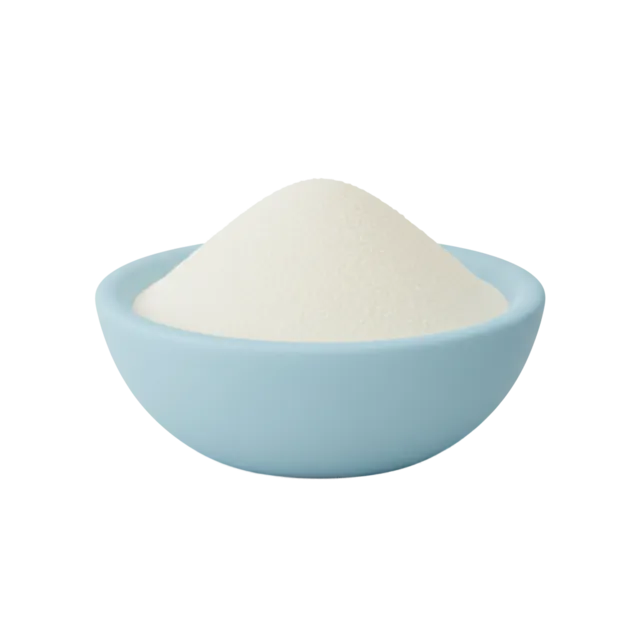
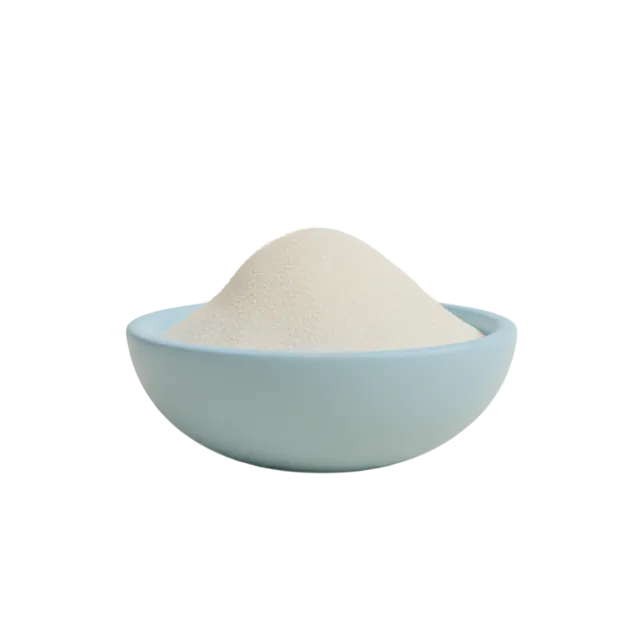
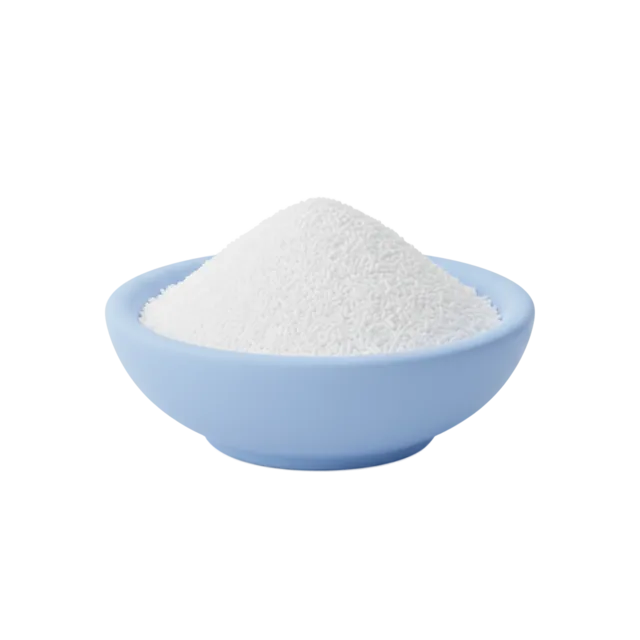
GOS Guide
Everything you need to know about gos sensitivity and smart food choices.
Galacto-oligosaccharides (GOS) are carbohydrates found mainly in legumes and some vegetables. They're a FODMAP that can ferment in the gut, causing bloating and discomfort in sensitive people.
Sensitivity varies widely. What triggers one person may be fine for another. Track your reactions to find your personal threshold.

These foods are generally well-tolerated for GOS sensitivity:
View all safe options








These foods have moderate levels and may be tolerated in small amounts:




These foods are high in gos and may trigger symptoms:
View full list



If you're sensitive to GOS, consider these strategies:
- 1Canned and rinsed legumes are lower in GOS than dried
- 2Start with smaller portions and build up tolerance
- 3Some people find beano-type enzymes helpful
- 4Firm tofu is lower in GOS than silken tofu
- 5Sprouted legumes may be better tolerated
Pro tip: Keep a food diary to track your reactions. The Triggerbites app makes this easy with automatic pattern detection.
Want personalized tracking?
Download Triggerbites to log meals, track symptoms, and discover your unique triggers.
Get the AppFAQ
Is potassium chloride high in GOS?
GOS: low signal for most people.
Can I still eat potassium chloride if I'm sensitive to GOS?
Usually fine in normal portions.
What else should I check?
Check AIP, Paleo, and Histamine next for a fuller picture.