 Back to GOS food checker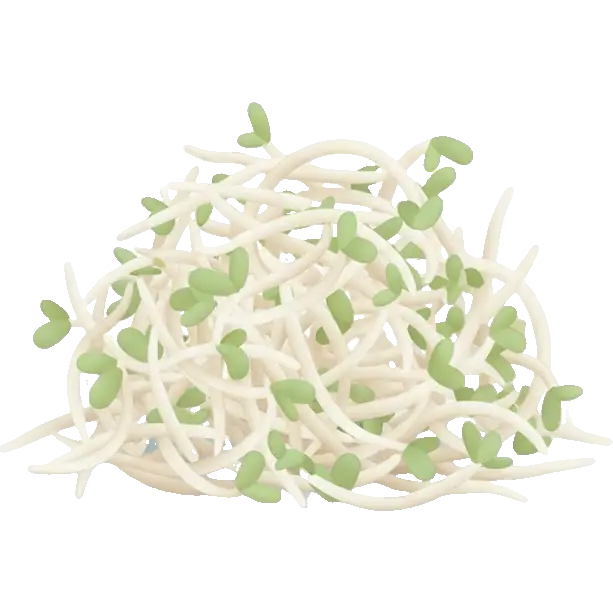
alfalfa sprouts
Legumes/Pulses
Is alfalfa sprouts high in gos?
Is alfalfa sprouts high or low in gos? See its exact rating, how much counts as a portion, and its FODMAP, salicylate, oxalate and diet compatibility in one place.

Related checkers
Compare alfalfa sprouts across criteria

Sensitivity notes
Why gos food checker matters
Galacto-oligosaccharides (GOS) are carbohydrates found mainly in legumes and some vegetables. They're a FODMAP that can ferment in the gut, causing bloating and discomfort in sensitive people.
- Canned and rinsed legumes are lower in GOS than dried
- Start with smaller portions and build up tolerance
- Some people find beano-type enzymes helpful
- Firm tofu is lower in GOS than silken tofu
- Sprouted legumes may be better tolerated

Sensitivities
What alfalfa sprouts contains
FODMAPs







Histamine & Amines



Plant compounds



Irritants



Additives



Allergens













Diet fit
Where alfalfa sprouts fits
Therapeutic diets









Lifestyle diets







Religious diets





What to know about alfalfa sprouts
Alfalfa sprouts are one of the quietest things you can put in a sandwich as far as food chemistry goes: low histamine, low oxalate, low FODMAP across every subgroup, gluten free, no free glutamate, no sulfites, with only mild salicylate and mild nickel. The reasons people are told to avoid them have almost nothing to do with that list. Raw sprouts are grown warm, wet and unwashed, which is also how you grow Salmonella and E. coli, and alfalfa seeds and sprouts carry L-canavanine, a non-protein amino acid linked to lupus-like autoimmune activity. So if alfalfa sprouts are on your avoid list, it is usually a microbiology or autoimmune question, not a histamine or FODMAP one.
Watch for
- Raw sprouts are a documented food-safety risk rather than a food-chemistry one.The warm humid germination that opens the seed also suits Salmonella and E. coli, and food-safety agencies advise pregnant, elderly, very young and immunocompromised people to skip raw sprouts entirely. Cooking them through removes the concern.
- Alfalfa seeds and sprouts contain L-canavanine, which mimics arginine closely enough to be built into immune-cell proteins in its place.Primate studies and human case reports link alfalfa sprouts and alfalfa tablets to lupus-like syndromes and flares, which is why lupus clinics tell patients to avoid them.
- Salicylate grades only mild here (B), noticeably lower than dried alfalfa leaf and alfalfa herb supplements, which grade high.A tuft on a sandwich is a small dose, a sprout-packed salad on a strict elimination phase is not.
- Nickel grades moderate (B).Alfalfa is a legume, and legume-family foods are worth logging separately if you have systemic nickel allergy.
- Histamine content grades low, but the liberator column is unrated for this sprout, so do not assume either way if you are chasing flushing or hives.



Explore related in Legumes/Pulses
Compare similar foods to build a personalized list of swaps that work for your system.
GOS Guide
Everything you need to know about gos sensitivity and smart food choices.
Galacto-oligosaccharides (GOS) are carbohydrates found mainly in legumes and some vegetables. They're a FODMAP that can ferment in the gut, causing bloating and discomfort in sensitive people.
Sensitivity varies widely. What triggers one person may be fine for another. Track your reactions to find your personal threshold.

These foods are generally well-tolerated for GOS sensitivity:
View all safe options








These foods have moderate levels and may be tolerated in small amounts:



These foods are high in gos and may trigger symptoms:
View full list
If you're sensitive to GOS, consider these strategies:
- 1Canned and rinsed legumes are lower in GOS than dried
- 2Start with smaller portions and build up tolerance
- 3Some people find beano-type enzymes helpful
- 4Firm tofu is lower in GOS than silken tofu
- 5Sprouted legumes may be better tolerated
Pro tip: Keep a food diary to track your reactions. The Triggerbites app makes this easy with automatic pattern detection.
Want personalized tracking?
Download Triggerbites to log meals, track symptoms, and discover your unique triggers.
Get the AppFAQ
Is alfalfa sprouts high in GOS?
GOS: low signal for most people.
Can I still eat alfalfa sprouts if I'm sensitive to GOS?
Usually fine in normal portions.
What else should I check?
Check AIP, Low Fibre, and Gastroparesis Diet next for a fuller picture.