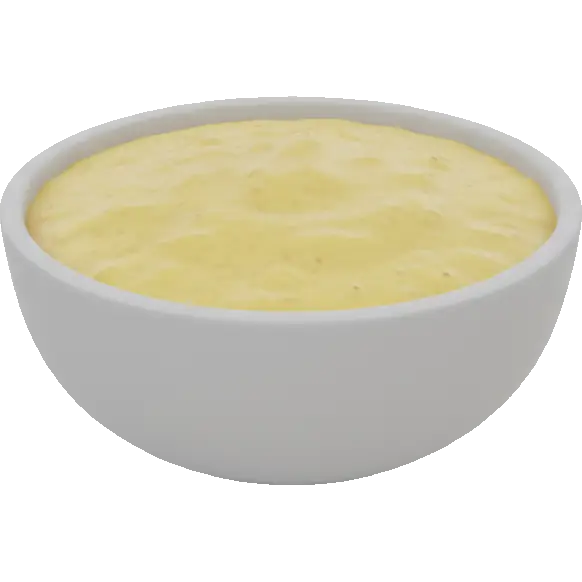
urad dal
Legumes/Pulses
Is urad dal high in gluten?
Is urad dal high or low in gluten? See its exact rating, how much counts as a portion, and its FODMAP, salicylate, oxalate and diet compatibility in one place.
Related checkers
Compare urad dal across criteria
Sensitivity notes
Why gluten food checker matters
Gluten is a protein found in wheat, barley, rye, and their derivatives. People with celiac disease, gluten sensitivity, or wheat allergy need to avoid gluten to prevent digestive and systemic symptoms.
- Learn to read labels carefully - gluten hides in many products
- Be aware of cross-contamination in shared kitchens and restaurants
- Look for certified gluten-free products for safety
- Oats are naturally gluten-free but often cross-contaminated
- Give your gut time to heal - improvement may take months
Sensitivities
What urad dal contains
FODMAPs
Histamine & Amines
Plant compounds
Irritants
Additives
Allergens
Diet fit
Where urad dal fits
Therapeutic diets
Lifestyle diets
Religious diets
What to know about urad dal
Urad dal is the legume behind idli, dosa, papadum, medu vada and dal makhani, and it is one of the highest FODMAP foods in our data: graded E for total FODMAPs, driven almost entirely by galacto-oligosaccharides at E. GOS is the legume family sugar that human digestion cannot break down, so it reaches the colon intact and gets fermented by gut bacteria. That is the mechanism behind the gas and bloating people report from dal. What makes urad dal unusual is that it is also the legume that gets fermented before you eat it: idli and dosa batter is soaked, ground and left to ferment overnight, and that process measurably lowers the oligosaccharide and phytate load. It is a real reason those foods are traditionally treated as the gentle end of Indian cooking, though it reduces the load rather than removing it.
Watch for
- Galacto-oligosaccharides graded E, which is what drives the total FODMAP grade to E.There is no genuinely low FODMAP portion of plain urad dal, so this is a food to reintroduce carefully rather than to portion around
- Fermentation changes the picture but does not reset it.An overnight soak and an eight to twelve hour wild ferment of the idli or dosa batter breaks down part of the oligosaccharide content, which is why many people tolerate idli when a bowl of dal defeats them. Test idli separately from dal in your log instead of ruling out urad dal as one category
- Form matters.Skinned split urad (dhuli urad, the white one used for idli and papadum) has had the black seed coat removed along with much of its fibre and lectin load, while whole black urad (sabut urad, the one in dal makhani) is the heaviest version and is usually cooked with cream and butter on top of that
- Mild but non-zero across the amine group: histamine graded B, histamine liberation B, tyramine B and free glutamates B.Individually unremarkable, but batter that has been left to ferment for days rather than overnight is a different food, since biogenic amines accumulate with fermentation time
- Nickel graded C.Pulses are consistent nickel carriers, so a daily dal habit contributes to cumulative nickel intake if you are tracking systemic nickel allergy


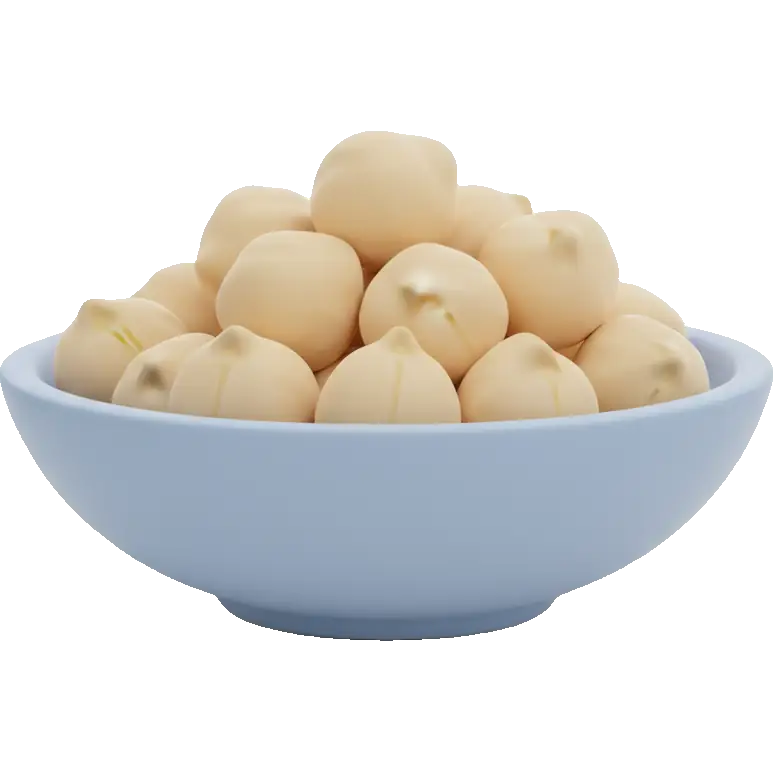
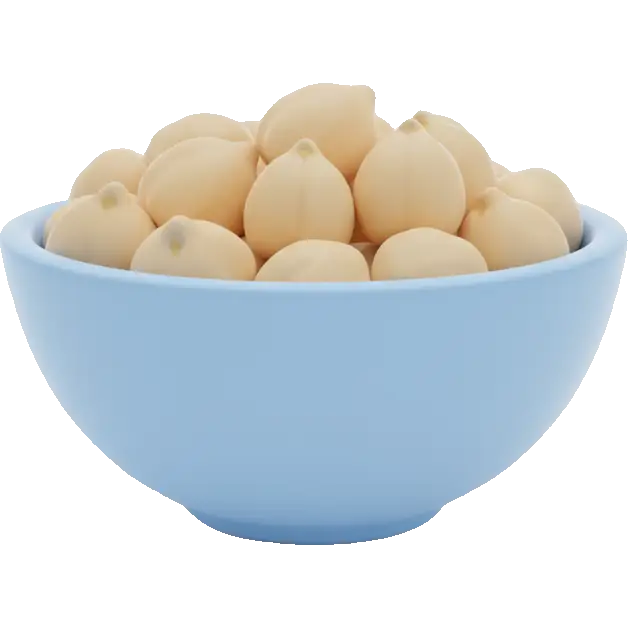
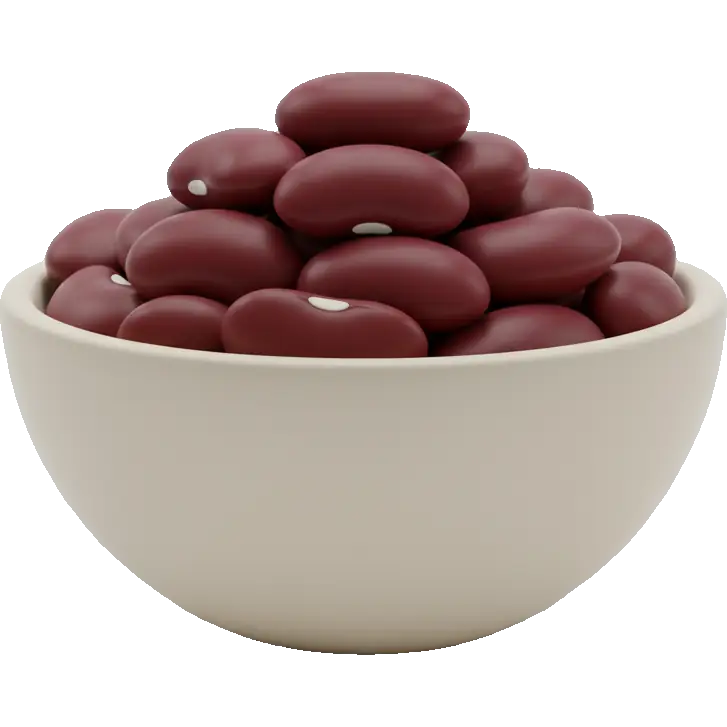
Explore related in Legumes/Pulses
Compare similar foods to build a personalized list of swaps that work for your system.
Gluten Guide
Everything you need to know about gluten sensitivity and smart food choices.
Gluten is a protein found in wheat, barley, rye, and their derivatives. People with celiac disease, gluten sensitivity, or wheat allergy need to avoid gluten to prevent digestive and systemic symptoms.
Sensitivity varies widely. What triggers one person may be fine for another. Track your reactions to find your personal threshold.
These foods are generally well-tolerated for Gluten sensitivity:
View all safe options






These foods have moderate levels and may be tolerated in small amounts:



These foods are high in gluten and may trigger symptoms:
View full list



If you're sensitive to Gluten, consider these strategies:
- 1Learn to read labels carefully - gluten hides in many products
- 2Be aware of cross-contamination in shared kitchens and restaurants
- 3Look for certified gluten-free products for safety
- 4Oats are naturally gluten-free but often cross-contaminated
- 5Give your gut time to heal - improvement may take months
Pro tip: Keep a food diary to track your reactions. The Triggerbites app makes this easy with automatic pattern detection.
Want personalized tracking?
Download Triggerbites to log meals, track symptoms, and discover your unique triggers.
Get the AppFAQ
Is urad dal high in Gluten?
Gluten: low signal for most people.
Can I still eat urad dal if I'm sensitive to Gluten?
Usually fine in normal portions.
What else should I check?
Check FODMAPs, GOS, and AIP next for a fuller picture.