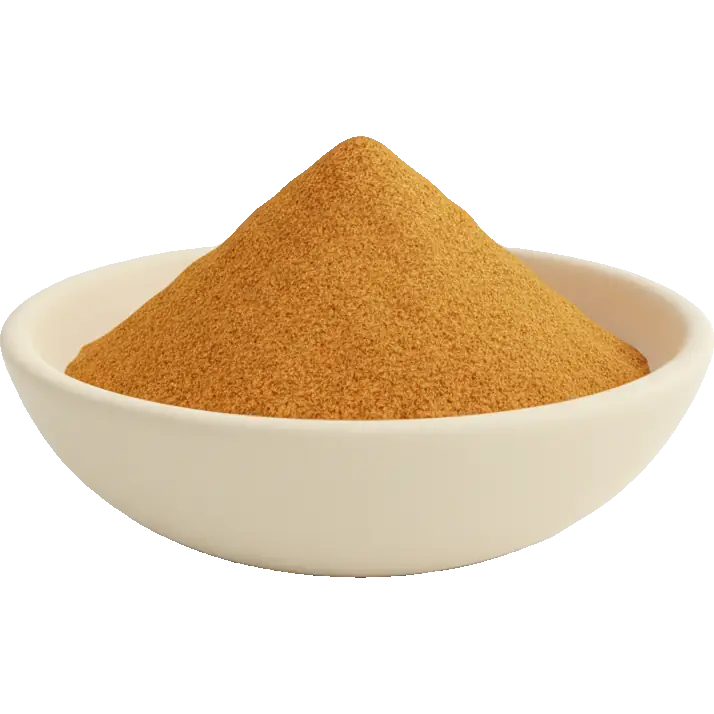
ras el hanout
Herbs & Spices
Is ras el hanout high in fodmaps?
Is ras el hanout high or low in fodmaps? See its exact rating, how much counts as a portion, and its FODMAP, salicylate, oxalate and diet compatibility in one place.
Related checkers
Compare ras el hanout across criteria
Sensitivity notes
Why fodmaps food checker matters
FODMAPs are fermentable carbohydrates that can cause digestive distress in sensitive individuals. They include fructose, lactose, fructans, galactans, and polyols. These sugars are poorly absorbed in the small intestine and ferment in the colon, potentially causing bloating, gas, and discomfort.
- Start with a 2-6 week elimination phase, removing all high-FODMAP foods
- Keep a detailed food and symptom diary to track your reactions
- Reintroduce one FODMAP group at a time to identify your specific triggers
- Remember that threshold varies - you may tolerate small amounts
- Work with a dietitian trained in the low-FODMAP diet for best results
Sensitivities
What ras el hanout contains
FODMAPs
Histamine & Amines
Plant compounds
Irritants
Additives
Allergens
Diet fit
Where ras el hanout fits
Therapeutic diets
Lifestyle diets
Religious diets
What to know about ras el hanout
Ras el hanout is the North African house blend whose name translates roughly as head of the shop, meaning the best a spice merchant has to offer. That is also why it is difficult to grade: there is no standard recipe, and a jar can run from a tidy dozen spices to more than thirty, taking in cinnamon, cumin, coriander, ginger, cardamom, nutmeg, mace, cloves, dried rose petals and, in most commercial versions, chilli or paprika. We grade it D for salicylates, and the blend is exactly why. No single spice in there is the culprit; the salicylate load is cumulative, and a spoonful of ras el hanout delivers what would otherwise be five or six separate additions. Nightshade comes in at C, entirely down to the chilli and paprika that many but not all blends include. Beyond those two the picture is reassuring: gluten A, lactose A, FODMAPs A, histamine A, nickel A, sulfite A, with oxalate and free glutamate both sitting at B. If a Moroccan tagine or a spiced roast leaves you flushed or itchy and the meat and vegetables have already been cleared, the blend is the ingredient to isolate.
Watch for
- Salicylate D, and it is the blending that gets it there.Any one of these spices might be manageable alone, but a heaped teaspoon of the mix stacks a dozen aromatic sources into one dose
- Nightshade C from the chilli or paprika most commercial blends carry.Some traditional versions contain none at all, so this grade depends on the jar in front of you
- The recipe is not standardised anywhere.Two jars from different vendors can differ by twenty ingredients, which means a blend you tolerated once may not behave the same way next time
- Read the ingredient list for garlic powder and onion powder.The classic blend is graded A on fructans, but supermarket versions frequently add both, which quietly turns a low FODMAP seasoning into a high one
- Oxalate B and free glutamate B, both minor on their own, though the salt content of pre mixed blends is often substantial and unlisted per serving
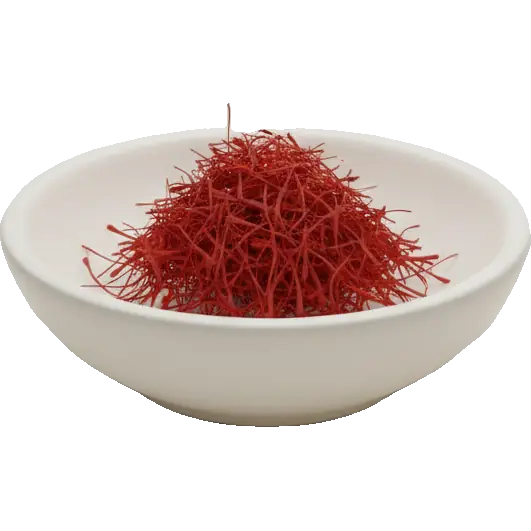





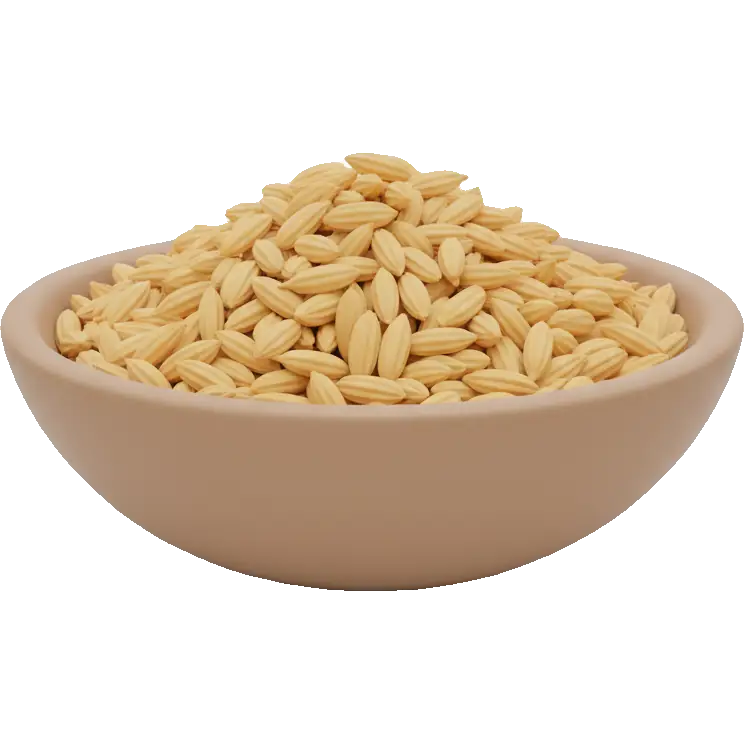

Explore related in Herbs & Spices
Compare similar foods to build a personalized list of swaps that work for your system.

FODMAPs Guide
Everything you need to know about fodmaps sensitivity and smart food choices.
FODMAPs are fermentable carbohydrates that can cause digestive distress in sensitive individuals. They include fructose, lactose, fructans, galactans, and polyols. These sugars are poorly absorbed in the small intestine and ferment in the colon, potentially causing bloating, gas, and discomfort.
Sensitivity varies widely. What triggers one person may be fine for another. Track your reactions to find your personal threshold.
These foods are generally well-tolerated for FODMAPs sensitivity:
View all safe options














These foods are high in fodmaps and may trigger symptoms:
View full list





If you're sensitive to FODMAPs, consider these strategies:
- 1Start with a 2-6 week elimination phase, removing all high-FODMAP foods
- 2Keep a detailed food and symptom diary to track your reactions
- 3Reintroduce one FODMAP group at a time to identify your specific triggers
- 4Remember that threshold varies - you may tolerate small amounts
- 5Work with a dietitian trained in the low-FODMAP diet for best results
Pro tip: Keep a food diary to track your reactions. The Triggerbites app makes this easy with automatic pattern detection.
Want personalized tracking?
Download Triggerbites to log meals, track symptoms, and discover your unique triggers.
Get the AppFAQ
Is ras el hanout high in FODMAPs?
FODMAP rating: Low FODMAP. Low FODMAP: usually easier for most people, still watch portion size.
Can I still eat ras el hanout if I'm sensitive to FODMAPs?
Usually fine in normal portions.
What else should I check?
Check AIP, Salicylates, and Low Salicylate next for a fuller picture.