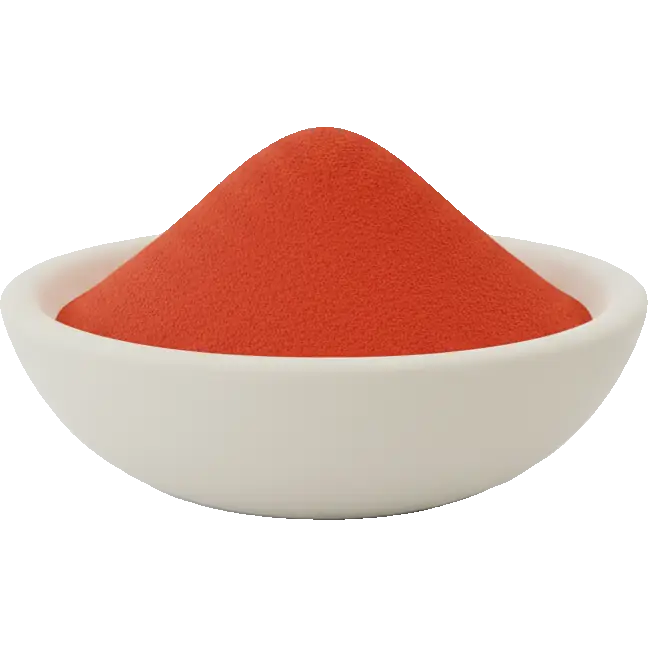
paprika
Herbs & Spices
Is paprika high in fodmaps?
Is paprika high or low in fodmaps? See its exact rating, how much counts as a portion, and its FODMAP, salicylate, oxalate and diet compatibility in one place.
Related checkers
Compare paprika across criteria
Sensitivity notes
Why fodmaps food checker matters
FODMAPs are fermentable carbohydrates that can cause digestive distress in sensitive individuals. They include fructose, lactose, fructans, galactans, and polyols. These sugars are poorly absorbed in the small intestine and ferment in the colon, potentially causing bloating, gas, and discomfort.
- Start with a 2-6 week elimination phase, removing all high-FODMAP foods
- Keep a detailed food and symptom diary to track your reactions
- Reintroduce one FODMAP group at a time to identify your specific triggers
- Remember that threshold varies - you may tolerate small amounts
- Work with a dietitian trained in the low-FODMAP diet for best results
Sensitivities
What paprika contains
FODMAPs
Histamine & Amines
Plant compounds
Irritants
Additives
Allergens
Diet fit
Where paprika fits
Therapeutic diets
Lifestyle diets
Religious diets
What to know about paprika
Paprika is dried, ground sweet red pepper, which means it is pure concentrated nightshade in spice form. A single teaspoon can carry the nightshade and high-salicylate load of a whole pepper, so paprika is an easy hidden trigger in rubs, sausages and seasoning blends for anyone sensitive to tomatoes, chilli or aspirin. The pepper it comes from also keeps it firmly off AIP protocols.
Watch for
- A nightshade in disguise: paprika is ground Capsicum pepper, so it hits the same trigger as tomato, chilli and eggplant despite looking like a neutral spice
- High in salicylates, which can drive itching, flushing or headaches in salicylate-sensitive people, and it is concentrated so a little goes a long way
- Not AIP-compliant, and it hides in spice mixes, cured meats, crisps and rotisserie coatings where you would not think to look for a pepper




Explore related in Herbs & Spices
Compare similar foods to build a personalized list of swaps that work for your system.

FODMAPs Guide
Everything you need to know about fodmaps sensitivity and smart food choices.
FODMAPs are fermentable carbohydrates that can cause digestive distress in sensitive individuals. They include fructose, lactose, fructans, galactans, and polyols. These sugars are poorly absorbed in the small intestine and ferment in the colon, potentially causing bloating, gas, and discomfort.
Sensitivity varies widely. What triggers one person may be fine for another. Track your reactions to find your personal threshold.
These foods are generally well-tolerated for FODMAPs sensitivity:
View all safe options














These foods are high in fodmaps and may trigger symptoms:
View full list





If you're sensitive to FODMAPs, consider these strategies:
- 1Start with a 2-6 week elimination phase, removing all high-FODMAP foods
- 2Keep a detailed food and symptom diary to track your reactions
- 3Reintroduce one FODMAP group at a time to identify your specific triggers
- 4Remember that threshold varies - you may tolerate small amounts
- 5Work with a dietitian trained in the low-FODMAP diet for best results
Pro tip: Keep a food diary to track your reactions. The Triggerbites app makes this easy with automatic pattern detection.
Want personalized tracking?
Download Triggerbites to log meals, track symptoms, and discover your unique triggers.
Get the AppFAQ
Is paprika high in FODMAPs?
FODMAP rating: Medium FODMAP. Medium FODMAP: portion size matters more than the ingredient itself.
Can I still eat paprika if I'm sensitive to FODMAPs?
Try smaller portions and space it out.
What else should I check?
Check Nightshades, AIP, and Salicylates next for a fuller picture.