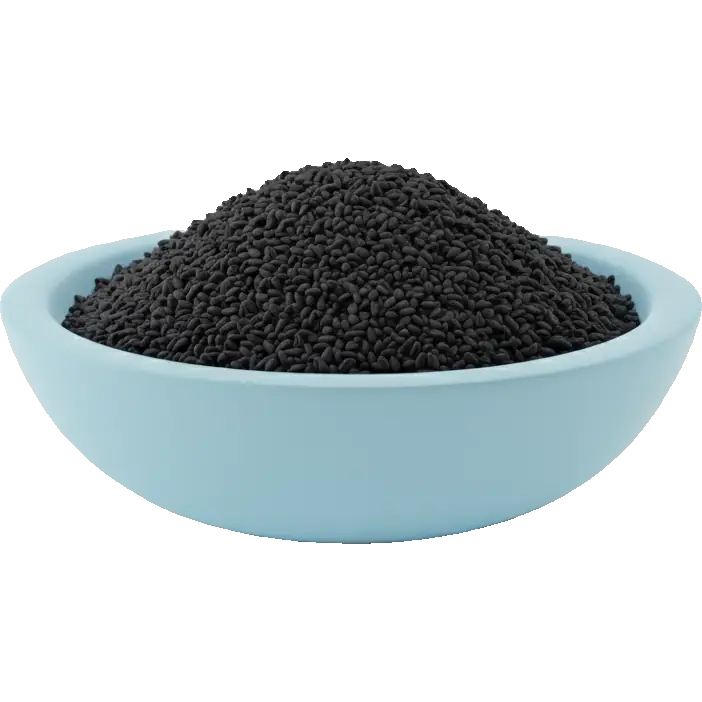
black cumin seeds
Nuts & Seeds
Is black cumin seeds high in fodmaps?
Is black cumin seeds high or low in fodmaps? See its exact rating, how much counts as a portion, and its FODMAP, salicylate, oxalate and diet compatibility in one place.
Related checkers
Compare black cumin seeds across criteria
Sensitivity notes
Why fodmaps food checker matters
FODMAPs are fermentable carbohydrates that can cause digestive distress in sensitive individuals. They include fructose, lactose, fructans, galactans, and polyols. These sugars are poorly absorbed in the small intestine and ferment in the colon, potentially causing bloating, gas, and discomfort.
- Start with a 2-6 week elimination phase, removing all high-FODMAP foods
- Keep a detailed food and symptom diary to track your reactions
- Reintroduce one FODMAP group at a time to identify your specific triggers
- Remember that threshold varies - you may tolerate small amounts
- Work with a dietitian trained in the low-FODMAP diet for best results
Sensitivities
What black cumin seeds contains
FODMAPs
Histamine & Amines
Plant compounds
Irritants
Additives
Allergens
Diet fit
Where black cumin seeds fits
Therapeutic diets
Lifestyle diets
Religious diets
What to know about black cumin seeds
Black cumin seed is Nigella sativa, sold across South Asian and Middle Eastern kitchens as kalonji, nigella or black onion seed. Despite the name it is not cumin, not caraway and not black sesame, and it is not even in the same plant family as any of them. It is graded D for salicylates, which is the trigger worth knowing, with FODMAPs at B. Everything else reads clean: histamine A, histamine liberator A, tyramine A, nickel A, sulfite A, glutamates A, gluten A, lactose A, dairy protein A. The distinction that actually matters for logging is dose. A pinch of seed scattered over naan or a Turkish cheese is a very different exposure from a daily spoon of concentrated black seed oil or a thymoquinone capsule, and both get recorded under the same ingredient name all the time.
Watch for
- Salicylate D, high.Aromatic seeds carry their salicylates concentrated, so a sprinkle is not automatically a negligible dose if you are salicylate-sensitive and eating them daily on bread
- The supplement gap.Black seed oil and thymoquinone extracts deliver many times what any recipe uses. If you take a supplement and also cook with the seed, log them as separate lines, because the reaction almost always belongs to the concentrated form
- FODMAPs B, moderate.Culinary sprinkling is a small amount and rarely the issue, but tablespoon quantities in a spice paste or a seeded loaf can add up alongside other moderate ingredients
- Name confusion corrupts patterns.Kalonji, nigella, black onion seed and black caraway all mean this seed, while regular cumin is Cuminum cyminum and caraway is Carum carvi. If your log mixes them, the salicylate signal disappears into the noise
- It is excluded on a paleo AIP elimination, graded E there, as seeds are removed during the initial phase alongside nuts and nightshade spices



Explore related in Nuts & Seeds
Compare similar foods to build a personalized list of swaps that work for your system.


FODMAPs Guide
Everything you need to know about fodmaps sensitivity and smart food choices.
FODMAPs are fermentable carbohydrates that can cause digestive distress in sensitive individuals. They include fructose, lactose, fructans, galactans, and polyols. These sugars are poorly absorbed in the small intestine and ferment in the colon, potentially causing bloating, gas, and discomfort.
Sensitivity varies widely. What triggers one person may be fine for another. Track your reactions to find your personal threshold.
These foods are generally well-tolerated for FODMAPs sensitivity:
View all safe options














These foods are high in fodmaps and may trigger symptoms:
View full list






If you're sensitive to FODMAPs, consider these strategies:
- 1Start with a 2-6 week elimination phase, removing all high-FODMAP foods
- 2Keep a detailed food and symptom diary to track your reactions
- 3Reintroduce one FODMAP group at a time to identify your specific triggers
- 4Remember that threshold varies - you may tolerate small amounts
- 5Work with a dietitian trained in the low-FODMAP diet for best results
Pro tip: Keep a food diary to track your reactions. The Triggerbites app makes this easy with automatic pattern detection.
Want personalized tracking?
Download Triggerbites to log meals, track symptoms, and discover your unique triggers.
Get the AppFAQ
Is black cumin seeds high in FODMAPs?
FODMAP rating: Medium FODMAP. Medium FODMAP: portion size matters more than the ingredient itself.
Can I still eat black cumin seeds if I'm sensitive to FODMAPs?
Try smaller portions and space it out.
What else should I check?
Check AIP, Low Fibre, and Gastroparesis Diet next for a fuller picture.