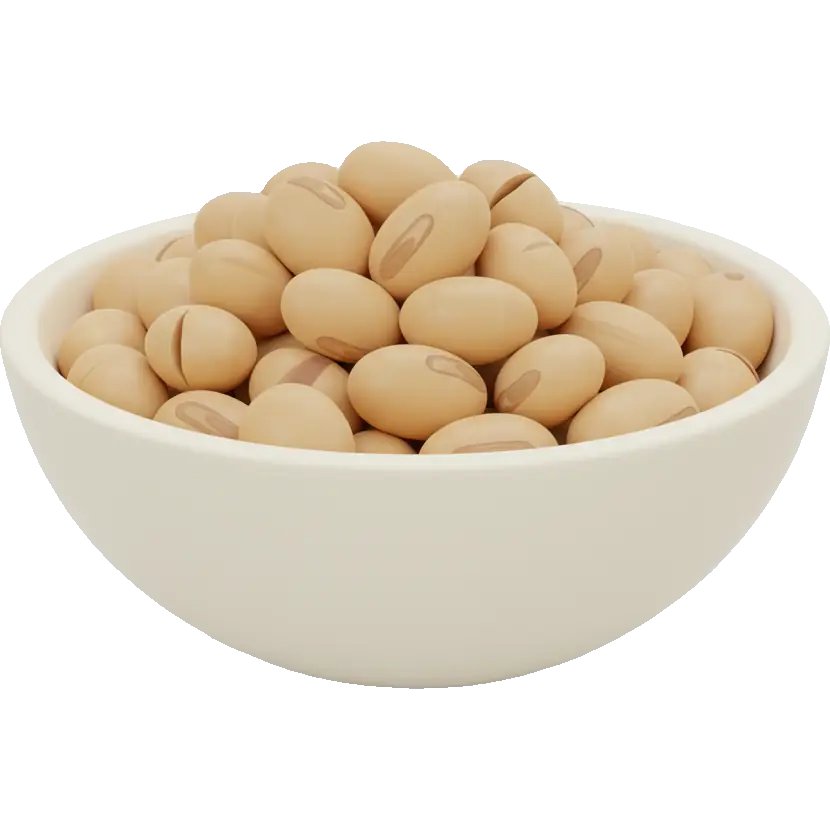
soy nuts
Legumes/Pulses
Is soy nuts eoe compatible-compatible?
See whether soy nuts fits an eoe compatible diet, with a clear compatible-or-avoid verdict plus its FODMAP, histamine and other trigger ratings in one place.
Related checkers
Compare soy nuts across criteria
Sensitivity notes
Why eoe compatible diet checker matters
Eosinophilic Esophagitis (EoE) dietary management often involves eliminating common trigger foods including dairy, wheat, eggs, soy, nuts, and seafood. The six-food elimination diet is commonly used to identify personal triggers.
- The six-food elimination diet removes dairy, wheat, eggs, soy, nuts, and seafood
- Systematic reintroduction with endoscopy helps identify triggers
- Milk/dairy is the most common trigger
- Work closely with your gastroenterologist and allergist
- Elemental diet may be used in severe cases
Sensitivities
What soy nuts contains
FODMAPs
Histamine & Amines
Plant compounds
Irritants
Additives
Allergens
Diet fit
Where soy nuts fits
Therapeutic diets
Lifestyle diets
Religious diets
What to know about soy nuts
Soy nuts are whole soybeans soaked and then roasted or fried until they crunch, sold as a high-protein snack on the same shelf as almonds and cashews. The name is doing a lot of work, because nothing about roasting turns a legume into a nut. Our data grades soy nuts galacto-oligosaccharides E and total FODMAPs E, both at the ceiling, and the reason is worth understanding: raffinose and stachyose are heat-stable sugars that dry roasting leaves entirely intact, and unlike boiled or canned soybeans there is no cooking liquid for them to leach into. Nickel is graded D and lectins D, with salicylates and oxalate borderline at C. Roasting does not disarm the soy allergen either, so soy nuts stay off-limits in soy allergy. The practical trap is portion perception. A handful eaten standing at a cupboard is a full legume serving, and it rarely gets logged as one.
Watch for
- Galacto-oligosaccharides graded E, higher than our grade for cooked soybeans.Dry roasting keeps every oligosaccharide in the bean, whereas boiling or canning lets a share of them leach into liquid that gets poured away.
- The snack format hides the dose.Soy nuts turn up in trail mixes, protein snack blends and salad toppers, so a legume-sized serving gets eaten in handfuls without ever being counted as beans.
- Soy is a major labelled allergen and roasting does not reliably destroy its allergenic proteins.Soy nuts are not a workaround for a soy allergy in any form.
- Nickel graded D and lectins graded D, both ordinary for a whole legume.Dry heat is less effective than a wet boil at denaturing legume lectins, so roasting improves neither number.
- Unlike miso, natto, tempeh or soy sauce, soy nuts are unfermented, so they do not carry the heavy histamine and tyramine load of fermented soy.Both are graded at a mild B here.




Explore related in Legumes/Pulses
Compare similar foods to build a personalized list of swaps that work for your system.

EoE Compatible Guide
Everything you need to know about eoe compatible compatibility and smart food choices.
Eosinophilic Esophagitis (EoE) dietary management often involves eliminating common trigger foods including dairy, wheat, eggs, soy, nuts, and seafood. The six-food elimination diet is commonly used to identify personal triggers.
These foods are typically compatible with a EoE Compatible approach:
View all safe options







Practical guidance for following a EoE Compatible diet:
- 1The six-food elimination diet removes dairy, wheat, eggs, soy, nuts, and seafood
- 2Systematic reintroduction with endoscopy helps identify triggers
- 3Milk/dairy is the most common trigger
- 4Work closely with your gastroenterologist and allergist
- 5Elemental diet may be used in severe cases
Pro tip: Keep a food diary to track your reactions. The Triggerbites app makes this easy with automatic pattern detection.
Want personalized tracking?
Download Triggerbites to log meals, track symptoms, and discover your unique triggers.
Get the AppFAQ
Does soy nuts fit an eoe compatible diet?
EoE Compatible: avoid for strict plans.
What if I eat it occasionally?
Occasional use may break strict plans.
What are safer swaps?
Compare within the Legumes/Pulses group.