 Back to EoE Compatible diet checker
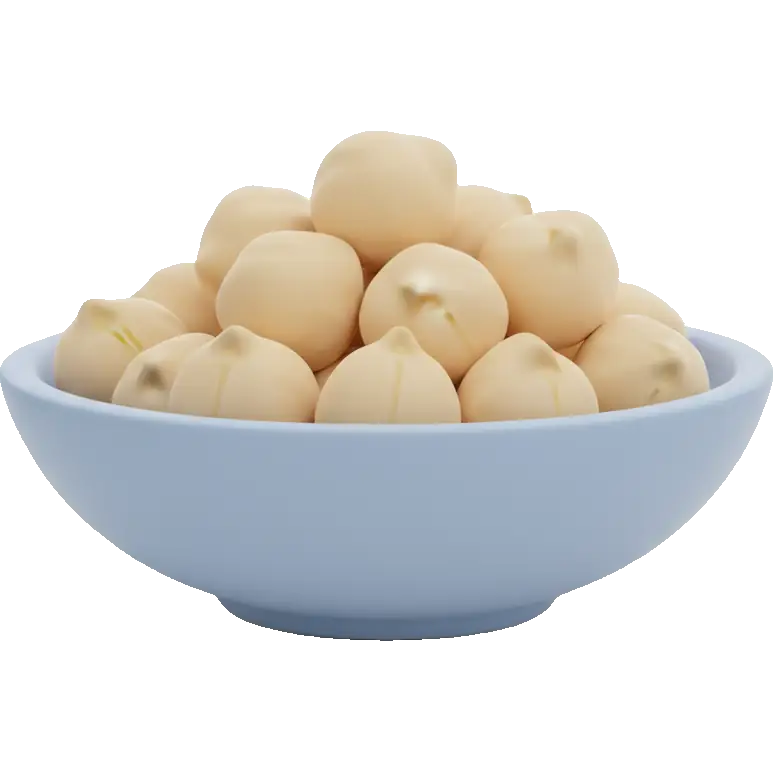
chickpeas
Legumes/Pulses
Is chickpeas eoe compatible-compatible?
See whether chickpeas fits an eoe compatible diet, with a clear compatible-or-avoid verdict plus its FODMAP, histamine and other trigger ratings in one place.
How it works
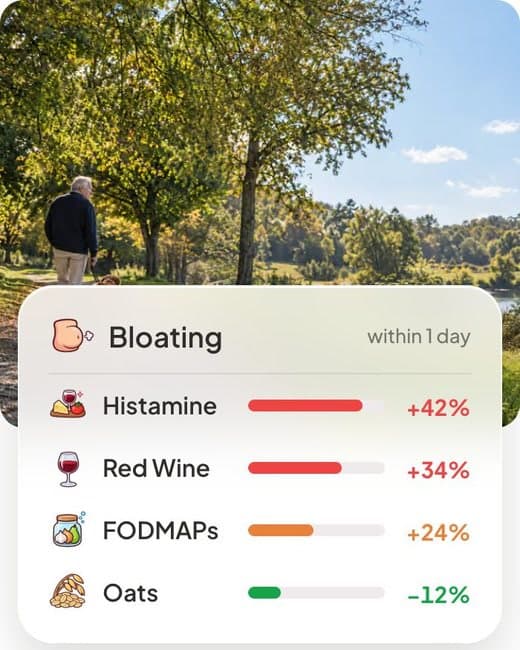
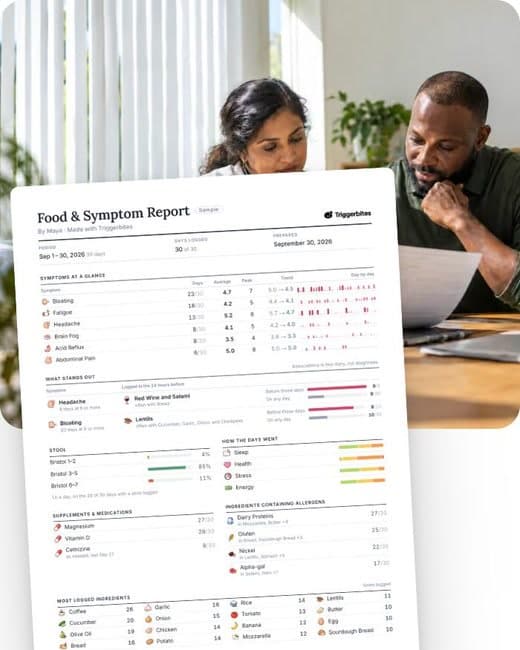
Triggerbites is a complete food and wellness journal.



Related checkers
Compare chickpeas across criteria







Sensitivity notes
Why eoe compatible diet checker matters
Eosinophilic Esophagitis (EoE) dietary management often involves eliminating common trigger foods including dairy, wheat, eggs, soy, nuts, and seafood. The six-food elimination diet is commonly used to identify personal triggers.
- The six-food elimination diet removes dairy, wheat, eggs, soy, nuts, and seafood
- Systematic reintroduction with endoscopy helps identify triggers
- Milk/dairy is the most common trigger
- Work closely with your gastroenterologist and allergist
- Elemental diet may be used in severe cases

Sensitivities
What chickpeas contains
FODMAPs



Histamine & Amines

Plant compounds




Irritants




Additives



Allergens
















Diet fit
Where chickpeas fits
Therapeutic diets










Lifestyle diets









Religious diets






What to know about chickpeas
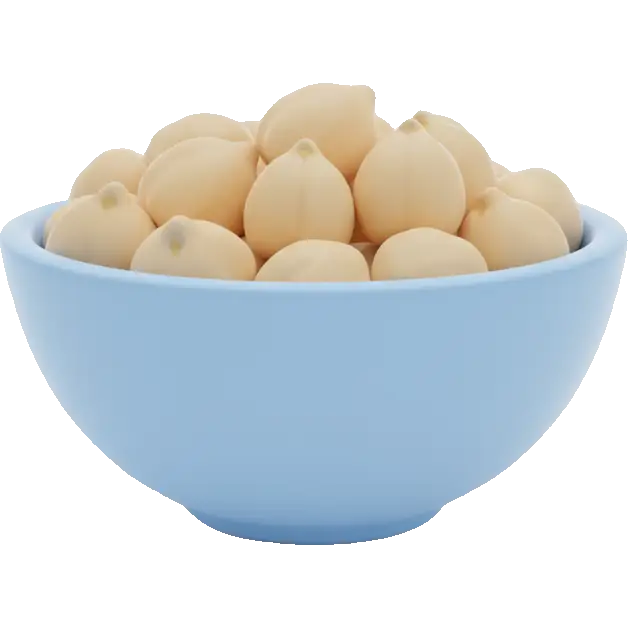
Chickpeas, also known as garbanzo beans, are the base of hummus, curries and grain bowls, and they are gentle on most triggers except two: nickel and the fermentable fiber GOS. A standard serving is high in GOS, which is why chickpeas and hummus are such reliable causes of bloating and gas for people with IBS, and they are high in nickel, a concern with systemic nickel allergy. Draining and rinsing canned chickpeas and sticking to smaller portions both make them easier to tolerate.
Watch for
- High in GOS, so a full serving of chickpeas or hummus commonly triggers bloating and wind
- High in nickel, relevant if you manage systemic nickel allergy syndrome
- Poorly tolerated in SIBO because the GOS ferments readily in the gut



Explore related in Legumes/Pulses
Compare similar foods to build a personalized list of swaps that work for your system.

EoE Compatible Guide
Everything you need to know about eoe compatible compatibility and smart food choices.
Eosinophilic Esophagitis (EoE) dietary management often involves eliminating common trigger foods including dairy, wheat, eggs, soy, nuts, and seafood. The six-food elimination diet is commonly used to identify personal triggers.
These foods are typically compatible with a EoE Compatible approach:
View all safe options





Practical guidance for following a EoE Compatible diet:
- 1The six-food elimination diet removes dairy, wheat, eggs, soy, nuts, and seafood
- 2Systematic reintroduction with endoscopy helps identify triggers
- 3Milk/dairy is the most common trigger
- 4Work closely with your gastroenterologist and allergist
- 5Elemental diet may be used in severe cases
Pro tip: Keep a food diary to track your reactions. The Triggerbites app makes this easy with automatic pattern detection.
Want personalized tracking?
Download Triggerbites to log meals, track symptoms, and discover your unique triggers.
Get the AppFAQ
Does chickpeas fit an eoe compatible diet?
EoE Compatible: fits well for most plans.
What if I eat it occasionally?
Still check preparation and add-ins.
What are safer swaps?
Compare within the Legumes/Pulses group.